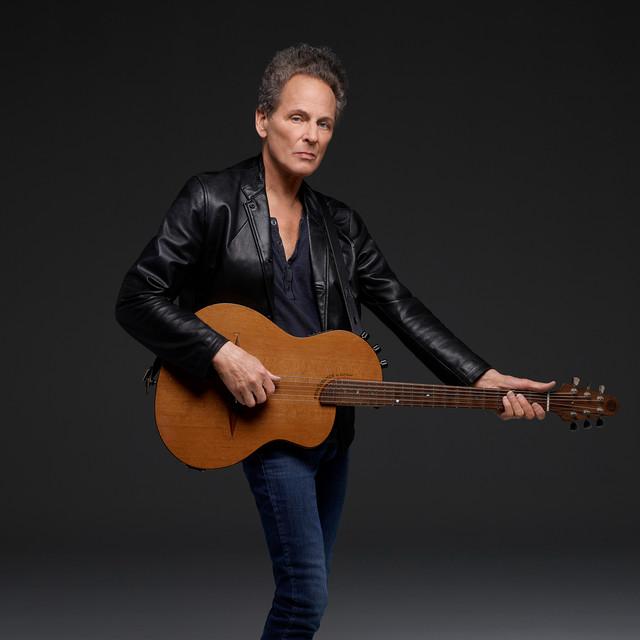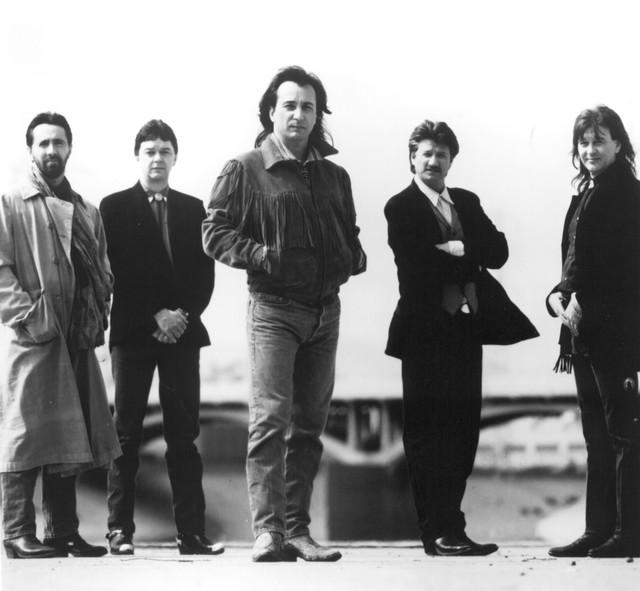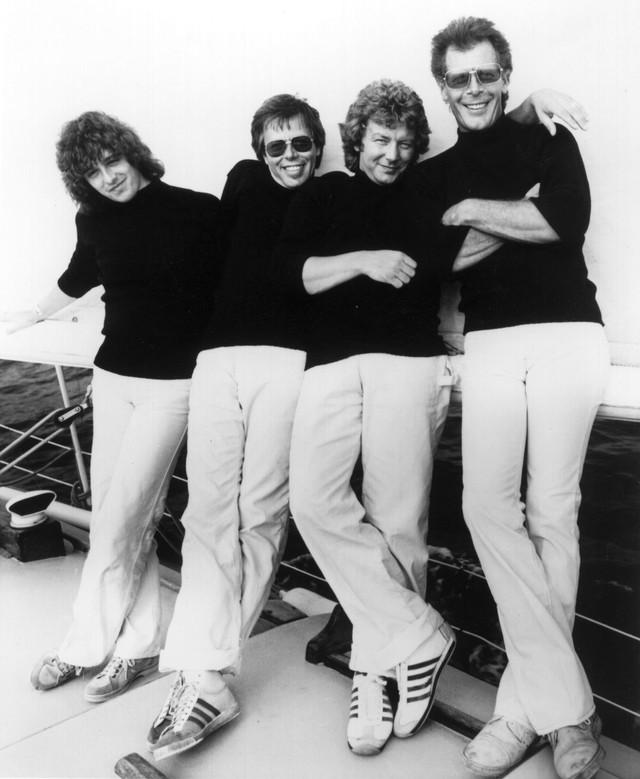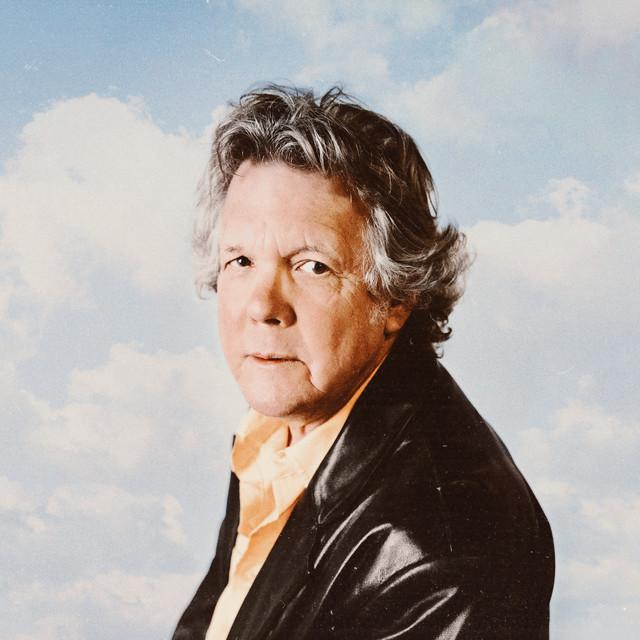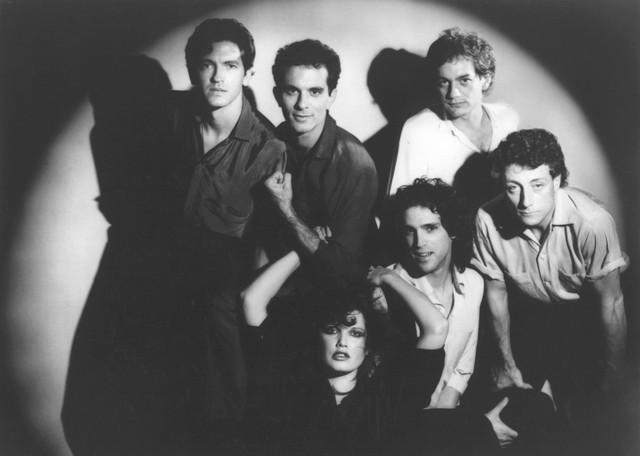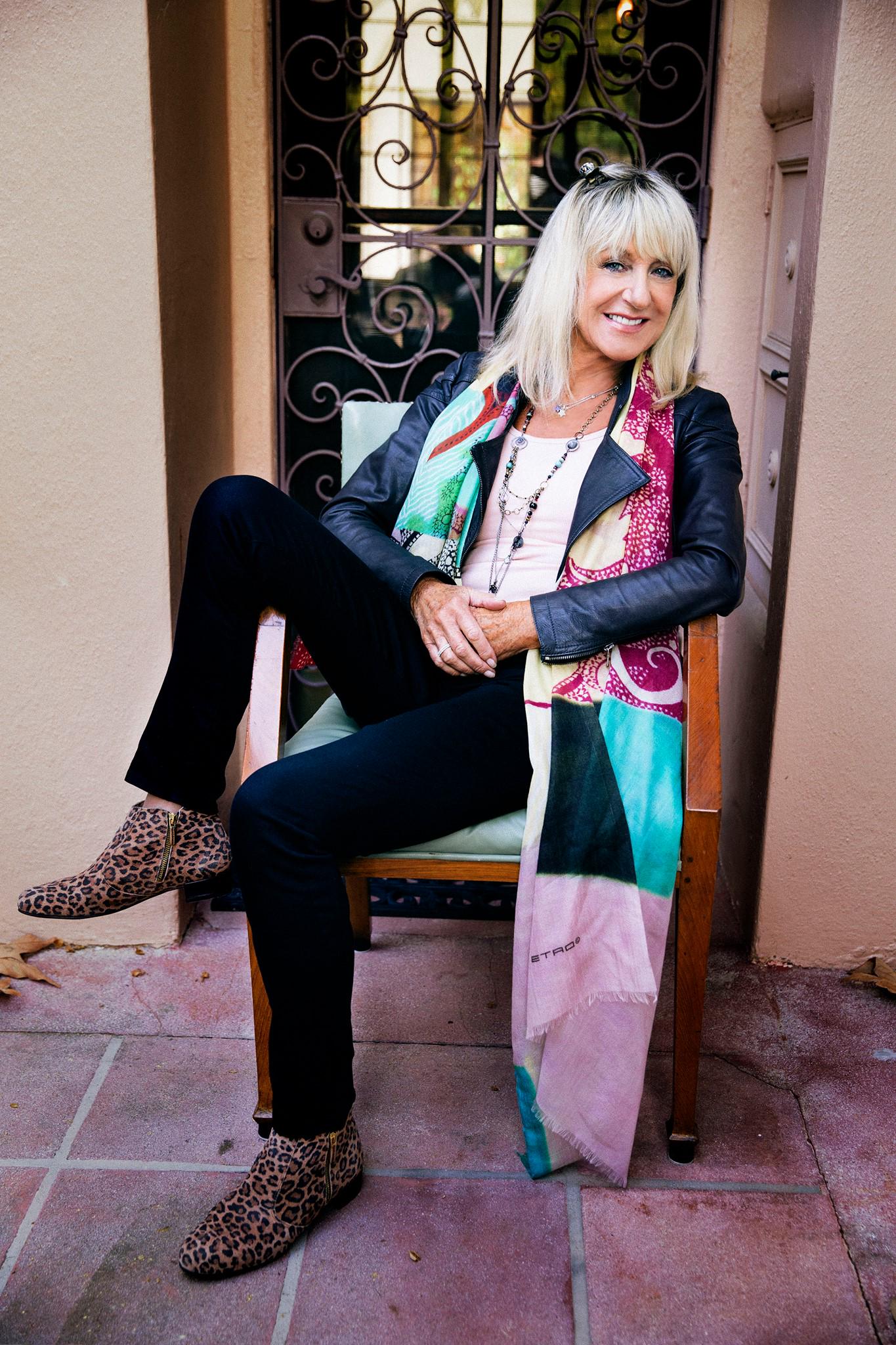
Christine McVie

Rock
Pop Rock
Progressive Rock
 Viberate Rank: 50655
 Viberate Rank: 50655
 Monthly ListenersFollowers
 Subscribers
 Followers
 Followers
 FansTop Spotify Songs
| Track | 7-Day Streams | |
|---|---|---|
1 | 39.84K | |
2 | 8.63K | |
3 | 5.21K | |
4 | 4.59K | |
5 | 4.33K |
Top YouTube VideosMonthly ListenersFeatured in Playlists| Playlist | Followers | |
|---|---|---|
1 |  Classical Crossover Spotify | 437.33K |
2 |  80s Soft Rock Spotify | 372.63K |
3 | Classic Rock Greatest Hits Scott Pruden | 341.42K |
4 | Rock y pop de los 80 y 90 Juan cuadros | 54.28K |
5 |  This Is Christine McVie Spotify | 41.68K |
Audience| City | Monthly Listeners | |
|---|---|---|
1 |  | 5.23K |
2 |  | 1.79K |
3 | | 1.73K |
4 | | 1.47K |
5 |  | 1.39K |
See full performance history, audience data, playlist activity, rankings, comparisons, and more in Viberate music analytics. Start with a free trial, then continue with a paid plan.
Christine McVie’s Spotify BioChristine McVie stood at the center of Fleetwood Mac through the majority of the band's tumultuous changes of the 1960s and '70s, helping guide their evolution from the blues to pop through her sweet, strong voice and gorgeous, generous melodies. These gifts were evident on the records Fleetwood Mac made during their transitionary period where she shared the spotlight with guitarist Bob Welch but they were pulled into sharp focus when Lindsey Buckingham and Stevie Nicks joined the group in 1975, leading to the seemingly overnight transformation of Fleetwood Mac into a pop/rock powerhouse. Over the next dozen years, the group towered over the pop charts, often thanks to the hits of McVie. The stormy relationship of Buckingham and Nicks and the songs they inspired often occupied headlines but McVie wound up writing and singing more of the group's big hits, a streak that includes "Say You Love Me," "Don't Stop," "You Make Loving Fun," "Hold Me," "Little Lies," and "Everywhere." McVie… stepped outside of Fleetwood Mac for an eponymous album in 1984, a record that generated the Top Ten hit "Got a Hold On Me," and she released another solo album, In the Meantime, 20 years later, after she finally left Fleetwood Mac following their first reunion with Buckingham and Nicks. McVie would later return to the fold for another reunion in 2014, a tour that led to her and Buckingham releasing a collaborative album in 2017.
Born Christine Anne Perfect on July 12, 1943, in the small village of Greenodd, the daughter of a concert violinist and a faith healer, a combination that just begs for an active imagination, McVie began playing the piano at the age of four and found herself seriously studying the instrument at the age of 11, continuing her classical training until she was 15, when she discovered rock & roll. While studying sculpture at an arts college near Birmingham for the next five years, she immersed herself in the local music scene, joining the band Sounds of Blue as a bassist. By the time she'd graduated with a teaching degree, Sounds of Blue had broken up, and she moved to London. In 1968 she reunited with two of the band’s former members, Andy Silvester and Stan Webb, in the British blues band Chicken Shack, playing piano and contributing vocals. The band released two albums, 40 Blue Fingers, Freshly Packed and Ready to Serve in 1968 and O.K. Ken? in 1969, and garnered a Top 20 hit in the U.K. with McVie’s impressive version of Etta James’ “I’d Rather Go Blind.” She left the band in 1969 after meeting Fleetwood Mac bassist John McVie, marrying him a year later, just after the release of her first solo album, the self-titled Christine Perfect.
Following the marriage, and now known as Christine McVie, she joined Fleetwood Mac as a pianist and singer and remained a member for the next 25 years, becoming a superstar in 1975 as part of the Lindsey Buckingham/Stevie Nicks version of the band. She and John McVie divorced in 1978, although both continued as members of Fleetwood Mac through the albums Tusk (1979) and Mirage (1982). She recorded and released a second solo album, simply called Christine McVie, in 1984. She married keyboardist Eddy Quintela in 1986. They would separate four years later in 1990, just as the band -- minus Buckingham -- released Behind the Mask. Following the tour for that album, McVie announced to the band that she would no longer go on the road, although she continued to work in the studio with them, contributing five songs to 1995’s Time. A reunion of the Buckingham/Nicks incarnation of the band for 1997’s live The Dance followed, and McVie did the resulting tour with the group before officially retiring from Fleetwood Mac in 1998 after the group’s induction into the Rock and Roll Hall of Fame that year. She then lived quietly out of the music limelight until the release of her third solo album, In the Meantime, in 2004. In 2006, McVie was awarded the British Academy of Songwriters, Composers and Authors' Gold Badge of Merit.
During an announcement of Fleetwood Mac's 2012 world tour, Nicks downplayed the hope that McVie would ever rejoin the group. The following year, she performed with the Mick Fleetwood Blues Band. It was her first appearance on-stage in 15 years. That fall, she joined Fleetwood Mac on-stage in London to play "Don't Stop" and appeared on two subsequent dates.
Early in 2014, Fleetwood Mac officially announced that McVie had rejoined the band. The Rumours edition of the group toured together for the first time since 1998. McVie and Buckingham assembled at Village Recorder's Studio D in Los Angeles (the same room where Tusk was cut) in order to re-establish creative chemistry. It worked. After returning to England, an inspired McVie began sending Buckingham demos and song snippets. They re-created the recording process with John McVie and Mick Fleetwood for a new Fleetwood Mac studio album -- Nicks was added her parts later. The quartet cut eight songs before breaking off to rehearse for the band's' upcoming On with the Show tour, which began that fall and lasted a full year. When Nicks decided to tour her own material in 2016 rather than reconvene with Fleetwood Mac in the studio, McVie, Buckingham, Fleetwood, and John McVie went back in and finished the album they'd begun before the tour. The finished project, Lindsey Buckingham/Christine McVie, was issued in June 2017. Over the next two years, she continued to tour with Fleetwood Mac and she and Stevie Nicks backed Neil Finn -- who had toured as a member of the group -- on a 2020 charity single. Her solo work was celebrated in June of 2022 on a Rhino compilation titled Songbird (A Solo Collection). It was the last album to be released in her lifetime, as she passed after a short illness on November 30, 2022. ~ Stephen Thomas Erlewine & Steve Leggett, Rovi
Viberate is a music analytics platform built for A&Rs, artist managers, labels, booking agents, marketers, and artists.
It helps music professionals track artist growth, analyze audience data, monitor playlist activity, compare artists, follow song performance, and identify opportunities across the music market.
Public artist pages provide a free preview of selected artist data. Paid plans provide access to deeper analytics, historical data, charts, comparisons, playlist tools, exports, alerts, reports, and additional professional features.
Yes. Public Viberate artist pages provide selected artist analytics and music data for free.
Viberate also offers a 7-day free trial of the full platform. A credit card is required to start the trial. The trial includes access to the complete product so users can test deeper artist analytics, historical views, playlist insights, comparisons, charts, exports, alerts, and reporting features before choosing a paid plan.
Viberate provides artist analytics across streaming, playlists, social media, video, radio airplay, songs, and audience markets.
Users can analyze Spotify performance, Spotify and Apple Music playlists, YouTube activity, TikTok and Instagram growth, radio spins, song performance, audience locations, demographics, rankings, and overall artist momentum.
Artist profiles also connect to music charts, similar artists, and comparison tools, helping users benchmark performance and evaluate artists in context.
Viberate updates key artist and track data daily.
For followed artists and tracks, selected data is refreshed multiple times per day. This helps teams monitor playlist changes, streaming movement, audience growth, releases, and campaign performance with more current data.
Update frequency can vary depending on the metric and data source.
Yes. Viberate lets users compare up to five artists side by side across streaming, social media, audience, and engagement metrics.
Users can compare fanbase growth, audience demographics, locations, Spotify performance, social metrics, and other artist data over selected time periods.
Artist comparison can be used for A&R scouting, benchmarking, booking decisions, campaign planning, and evaluating artists with similar audiences or market positions.