Christa Ludwig

Classical
Opera
Classical Crossover
 Viberate Rank: 144598
 Viberate Rank: 144598
 Monthly ListenersFollowers
 Subscribers
 Followers
 Followers
 FansTop Spotify Songs
| Track | 7-Day Streams | |
|---|---|---|
1 | 4.66K | |
2 | 2.05K | |
3 | 1.87K | |
4 | 1.85K | |
5 | 1.85K |
Top YouTube VideosMonthly ListenersFeatured in Playlists| Playlist | Followers | |
|---|---|---|
1 |  This Is Wagner Spotify | 113.02K |
2 |  Easy Listening Classical For Study, Work, Relaxing, Chillout, Anything But Serious Listening Ulysses' Classical | 99.24K |
3 |  1000 Recordings to Hear Before You Die (Tom Moon): Album Index Ulysses' Classical | 94.29K |
4 |  This Is Mahler Spotify | 62.22K |
5 |  The Sound of Everything The Sounds of Spotify | 53.82K |
Audience| City | Monthly Listeners | |
|---|---|---|
1 |  | 974 |
2 | | 952 |
3 |  | 858 |
4 |  | 631 |
5 |  | 603 |
See full performance history, audience data, playlist activity, rankings, comparisons, and more in Viberate music analytics. Start with a free trial, then continue with a paid plan.
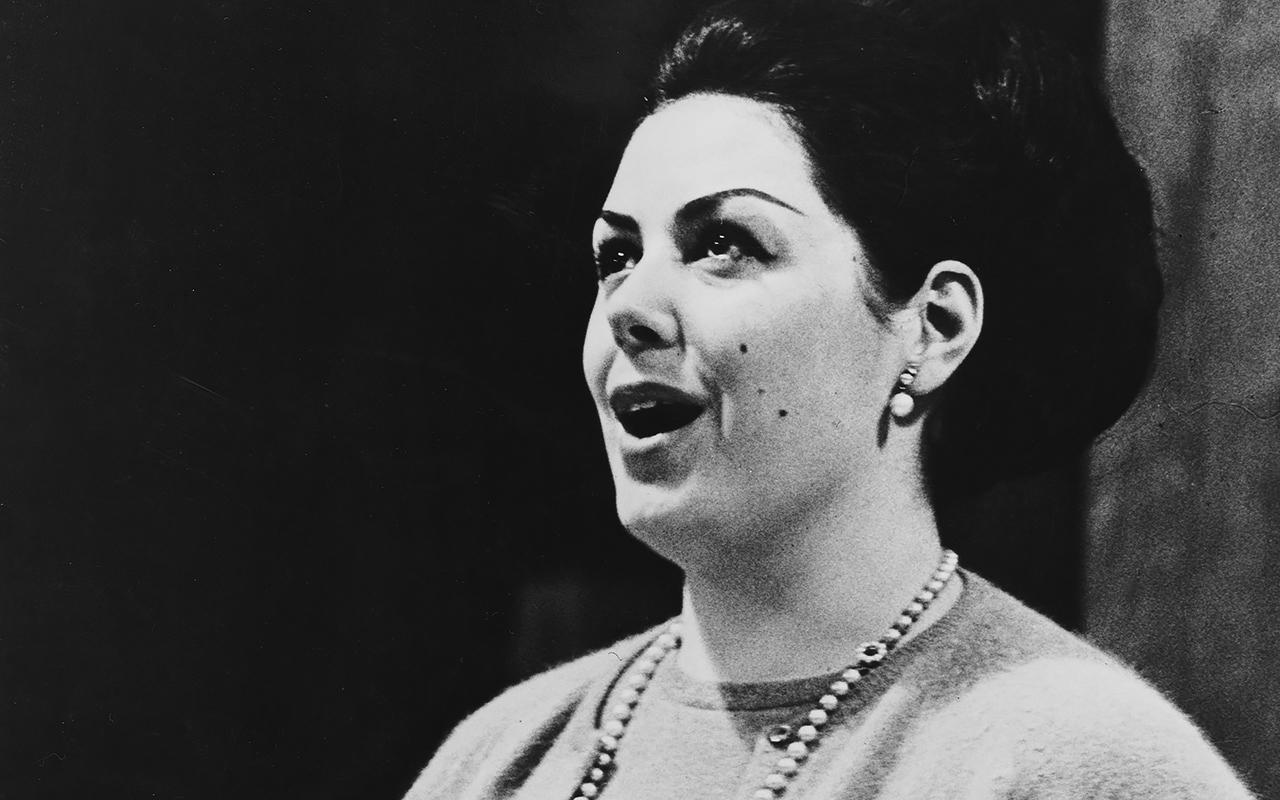
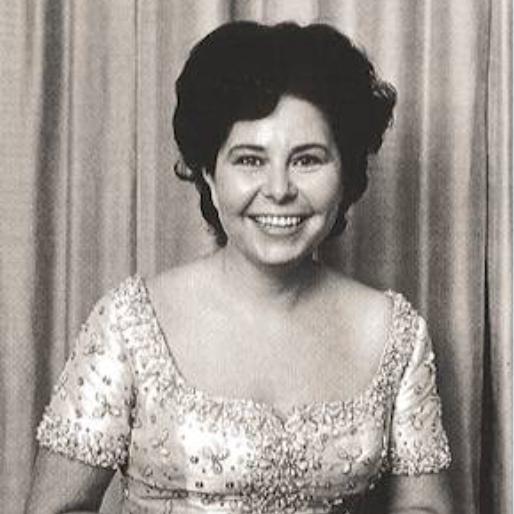
Christa Ludwig’s Spotify BioChrista Ludwig was one of the most admired mezzo-sopranos of her generation, with a wide repertoire of both lieder and opera. She brought a fine sense of musicianship as well as drama to her performances. Her roles ranged from Dorabella in Così fan Tutte to Brangane in Tristan und Isolde and Clytemnestra in Elektra, and she was the creator of the role of Claire in Gottfried von Einem's Der Besuch der alten Dame. Her technique and upper register were solid enough to let her sing the Marschallin in Der Rosenkavalier and the Dyer's Wife in Die Frau ohne Schatten, parts almost exclusively sung by sopranos -- though she did retreat from plans to sing Isolde and Brunhilde. She was also a noted lieder performer, especially of Mahler.
Her parents (tenor Anton Ludwig, who later became a stage director, and mezzo-soprano Eugenie Besalla-Ludwig) were both singers, and her first vocal studies were with her mother, who also taught her piano, flute, and cello. Her first performances were in 1954, at… the age of 17, singing operatic arias she had learned from growing up in the theater. She made her operatic debut as Prince Orlofsky in Strauss' Die Fledermaus in 1946, at the Frankfurt State Opera, where she was a member of the company until 1952. She then moved to Darmstadt to study acting with the director Gustav Sellner. After two years, she and her mother (who was still teaching her) moved to Hanover, where she began to sing leading roles such as Carmen, Ortrud, and Kundry. Her Salzburg debut was in 1954 as Cherubino, and followed by her 1955 debut in the same role at the Vienna State Opera, at the invitation of Karl Böhm, where she sang for more than 30 years. In 1957, she sang with Elisabeth Schwarzkopf, who encouraged her husband Walter Legge, the famous producer, to sign Ludwig with EMI records. Ludwig's United States debut was in 1959 in Chicago, as Dorabella. In the 1970s, she went through a vocal crisis due to menopause, and she took some of the most demanding roles out of her repertoire and began to give more attention to songs. Again she challenged the typical views of repertoire, and sang material, such as Winterreise, that is most often associated with male voices, especially baritones. Working with Leonard Bernstein, she developed a special affection for Mahler (whose music Bernstein championed when Mahler was relatively obscure.)
She was married to bass Walter Berry from 1957 until 1971, and their son, Marc Berry, is a popular song composer. She has a wide recorded legacy; among the best of her material is a Das Lied von der Erde under Bernstein (Sony) and a Brangane in Tristan und Isolde, with Vickers as Tristan and Dernesch as Isolde, under Karajan (EMI). Christa Ludwig died on April 24, 2021 at the age of 93 at her home near Vienna.
Viberate is a music analytics platform built for A&Rs, artist managers, labels, booking agents, marketers, and artists.
It helps music professionals track artist growth, analyze audience data, monitor playlist activity, compare artists, follow song performance, and identify opportunities across the music market.
Public artist pages provide a free preview of selected artist data. Paid plans provide access to deeper analytics, historical data, charts, comparisons, playlist tools, exports, alerts, reports, and additional professional features.
Yes. Public Viberate artist pages provide selected artist analytics and music data for free.
Viberate also offers a 7-day free trial of the full platform. A credit card is required to start the trial. The trial includes access to the complete product so users can test deeper artist analytics, historical views, playlist insights, comparisons, charts, exports, alerts, and reporting features before choosing a paid plan.
Viberate provides artist analytics across streaming, playlists, social media, video, radio airplay, songs, and audience markets.
Users can analyze Spotify performance, Spotify and Apple Music playlists, YouTube activity, TikTok and Instagram growth, radio spins, song performance, audience locations, demographics, rankings, and overall artist momentum.
Artist profiles also connect to music charts, similar artists, and comparison tools, helping users benchmark performance and evaluate artists in context.
Viberate updates key artist and track data daily.
For followed artists and tracks, selected data is refreshed multiple times per day. This helps teams monitor playlist changes, streaming movement, audience growth, releases, and campaign performance with more current data.
Update frequency can vary depending on the metric and data source.
Yes. Viberate lets users compare up to five artists side by side across streaming, social media, audience, and engagement metrics.
Users can compare fanbase growth, audience demographics, locations, Spotify performance, social metrics, and other artist data over selected time periods.
Artist comparison can be used for A&R scouting, benchmarking, booking decisions, campaign planning, and evaluating artists with similar audiences or market positions.