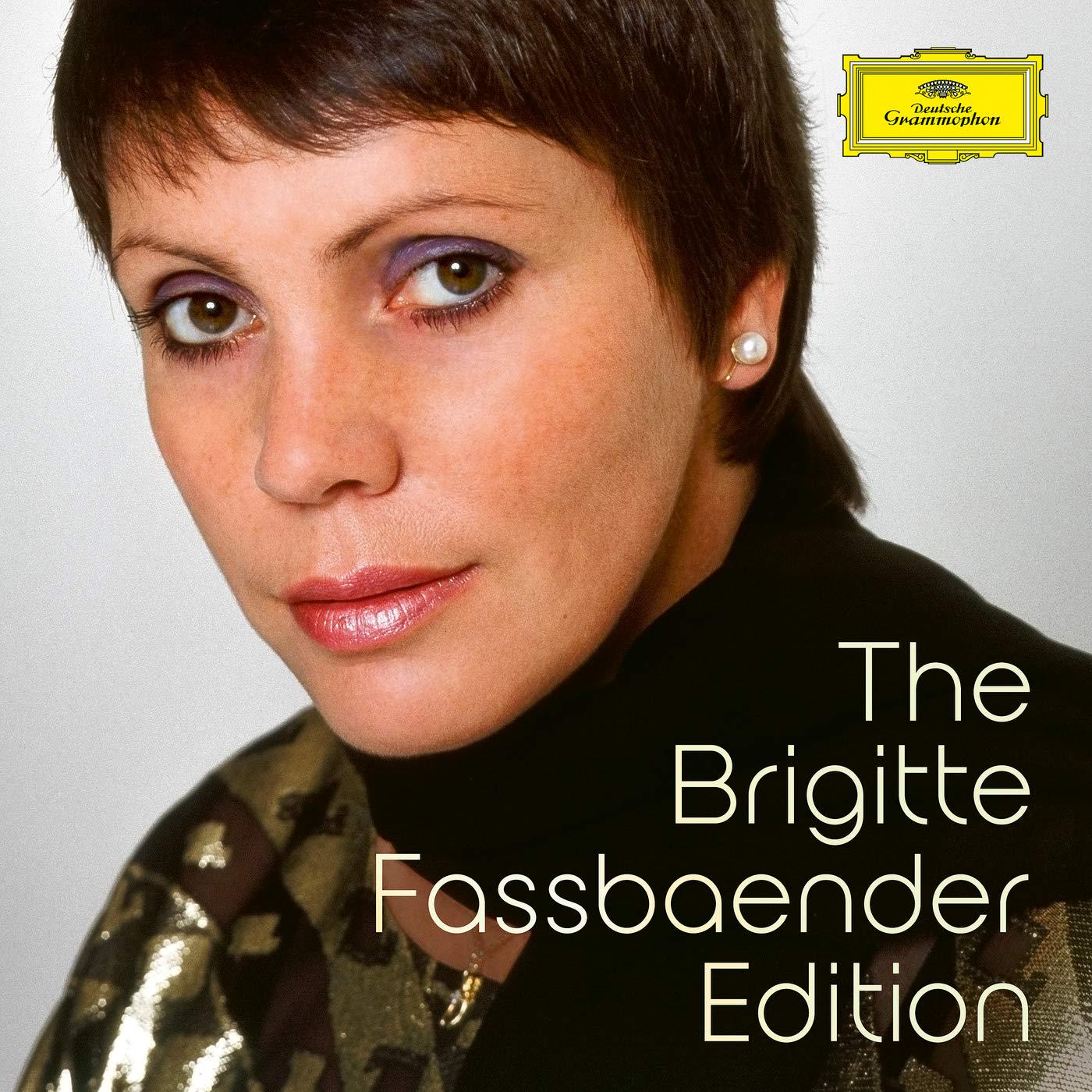
Brigitte Fassbaender

Classical
Classical Crossover
Opera
Orchestral
 Viberate Rank: 235740
 Viberate Rank: 235740
 Monthly ListenersFollowers
 Subscribers
 Followers
 Followers
 FansTop Spotify Songs
| Track | 7-Day Streams | |
|---|---|---|
1 | 3.41K | |
2 | 1.74K | |
3 | 1.23K | |
4 | 1.20K | |
5 | 1.08K |
Top YouTube VideosMonthly ListenersFeatured in Playlists| Playlist | Followers | |
|---|---|---|
1 |  This Is Wagner Spotify | 113.02K |
2 |  Música clásica para sentirme un villano del siglo XVII JFueyo | 61.76K |
3 |  Wagner - Best of Deutsche Grammophon (DG) | 30.07K |
4 | 2 chellos Rebecka Smith | 11.96K |
5 | Para estudiar Charl Ibrown | 10.83K |
Audience| City | Monthly Listeners | |
|---|---|---|
1 | | 603 |
2 |  | 575 |
3 |  | 531 |
4 |  | 411 |
5 | | 394 |
See full performance history, audience data, playlist activity, rankings, comparisons, and more in Viberate music analytics. Start with a free trial, then continue with a paid plan.
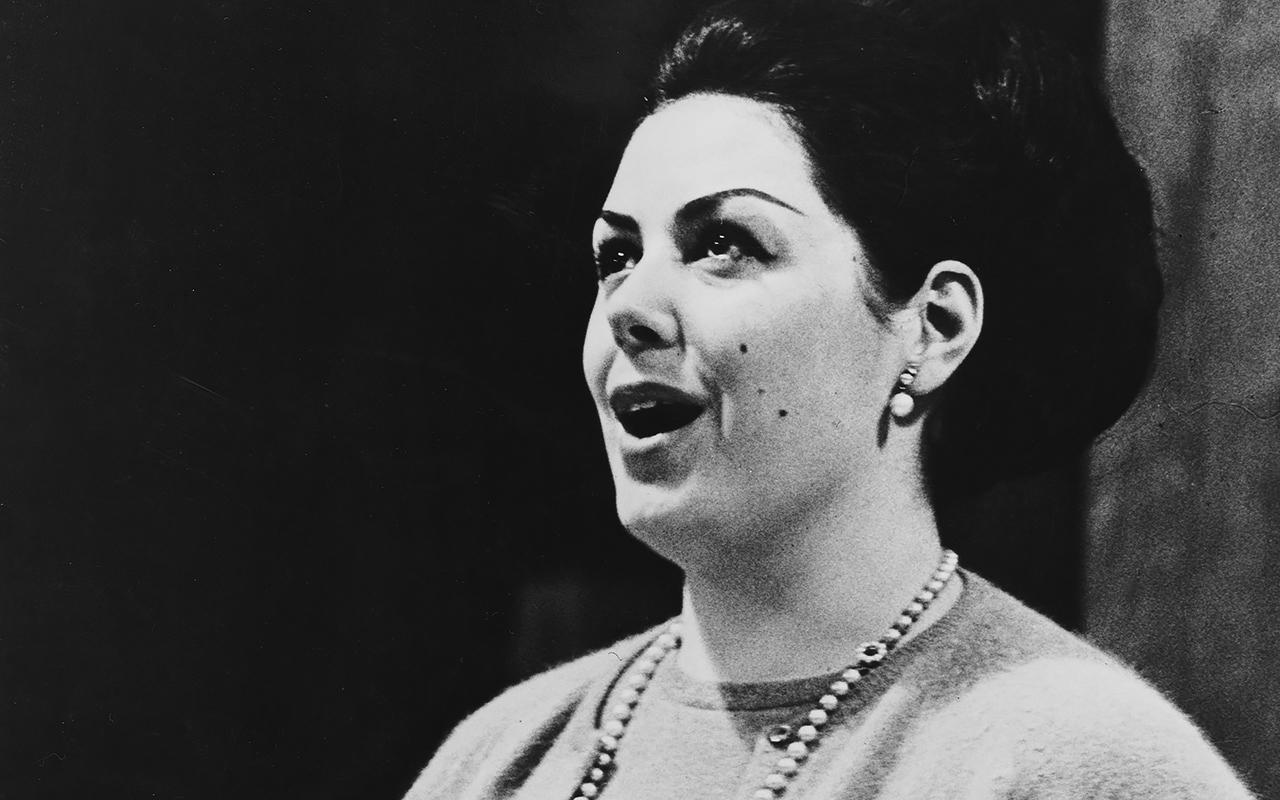
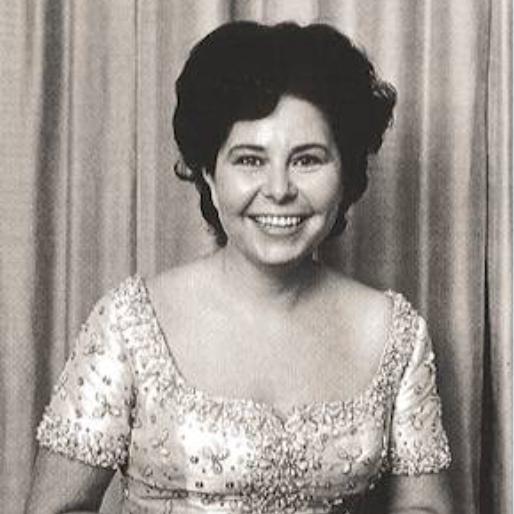
Brigitte Fassbaender’s Spotify BioBrigitte Fassbaender is a prominent mezzo-soprano known for her acclaimed performances of the standard opera repertoire. Born in Berlin, in 1939, she had a childhood dream of becoming an actress, just her like mother, the film star Sabine Peters. As she realized how good her singing voice was, Fassbaender auditioned for the Nuremberg Conservatory, where her father, the famous baritone Willi Domgraf-Fassbaender taught. She studied with her father from 1957 until 1961, and in 1961 made her debut at the Bavarian State Opera as a Page in Lohengrin. However, she considers Nicklaus in Les contes d'Hoffmann her debut role; it was her first truly solo part. A 1962 telecast of Eugene Onegin with Fritz Wunderlich, in which she sang Olga, has been preserved. She sang minor roles for several years, and in 1965 got her big break when she was assigned the role of Clarice in Rossini's La pietra del paragone. She also sang at the Deutsche Oper am Rhein, Düsseldorf-Duisburg, Stuttgart, and Frankfurt am… Main. In 1971, she sang Octavian in Der Rosenkavalier for her debut at London's Covent Garden. This role also served for her debut at the Metropolitan Opera, in 1974. Because of her admirable figure she was always in demand for trouser roles such as Octavian, Cherubino in The Marriage of Figaro, Sextus in La Clemenza di Tito, and Prince Orlovsky in Die Fledermaus. At the Salzburg Festival she sang Dorabella in Così fan tutte from 1972 until 1978; in 1989, she returned as Klytemnestra in Elektra. She also appeared there as Eboli in Don Carlos and Amneris in Aida, under the direction of Karajan. In 1983 and 1984, she sang Waltraute in Götterdämmerung, at Bayreuth. At Vienna, in 1976, Fassbaender sang in the world premiere of Einem's "Kabale und Liebe." Her career took her to the major opera houses, including Milan, Tokyo, Paris, San Francisco, and Geneva. She made each of her characters a living entity, embellishing them with touches which made them unique. She was a favored singer of many conductors, including Herbert von Karajan and Carlos Kleiber. Fassbaender was also a highly esteemed recitalist and concert performer. She was most successful with narrative songs, particularly when she had the opportunity to tell a complete story and create one or more characters. In her performances, Fassbaender respected the dramatic and musical needs of a composition, without allowing either to overpower her interpretation. She was especially admired for her interpretation of Mahler's Das Lied von der Erde and Brahms' Alto Rhapsody. Her lieder recitals were always eagerly anticipated, particularly her performances of Schubert and Schumann. In 1987, Fassbaender's Deutsche Grammophon recording of songs by Liszt and Strauss brought her a Grammophone Award. Fassbaender's other critically acclaimed recordings include Schubert's Winterreise, Karl Loewe's Frauenliebe, and Die Schöne Magelone by Brahms. She appeared less often in oratorios, because of her busy opera schedule, however, remained in demand for works of Bach, Rossini, and Mendelssohn. As she cut back singing in opera houses, she began a second career as a stage director, beginning at Coburg with Rossini's La Cenerentola. Since that time, she has staged many operas, including Der Rosenkavalier and Franz Schreker's Der ferne Klang. Having retired as an opera singer, she teaches vocal music at the Musikhochscule in Munich.
Viberate is a music analytics platform built for A&Rs, artist managers, labels, booking agents, marketers, and artists.
It helps music professionals track artist growth, analyze audience data, monitor playlist activity, compare artists, follow song performance, and identify opportunities across the music market.
Public artist pages provide a free preview of selected artist data. Paid plans provide access to deeper analytics, historical data, charts, comparisons, playlist tools, exports, alerts, reports, and additional professional features.
Yes. Public Viberate artist pages provide selected artist analytics and music data for free.
Viberate also offers a 7-day free trial of the full platform. A credit card is required to start the trial. The trial includes access to the complete product so users can test deeper artist analytics, historical views, playlist insights, comparisons, charts, exports, alerts, and reporting features before choosing a paid plan.
Viberate provides artist analytics across streaming, playlists, social media, video, radio airplay, songs, and audience markets.
Users can analyze Spotify performance, Spotify and Apple Music playlists, YouTube activity, TikTok and Instagram growth, radio spins, song performance, audience locations, demographics, rankings, and overall artist momentum.
Artist profiles also connect to music charts, similar artists, and comparison tools, helping users benchmark performance and evaluate artists in context.
Viberate updates key artist and track data daily.
For followed artists and tracks, selected data is refreshed multiple times per day. This helps teams monitor playlist changes, streaming movement, audience growth, releases, and campaign performance with more current data.
Update frequency can vary depending on the metric and data source.
Yes. Viberate lets users compare up to five artists side by side across streaming, social media, audience, and engagement metrics.
Users can compare fanbase growth, audience demographics, locations, Spotify performance, social metrics, and other artist data over selected time periods.
Artist comparison can be used for A&R scouting, benchmarking, booking decisions, campaign planning, and evaluating artists with similar audiences or market positions.