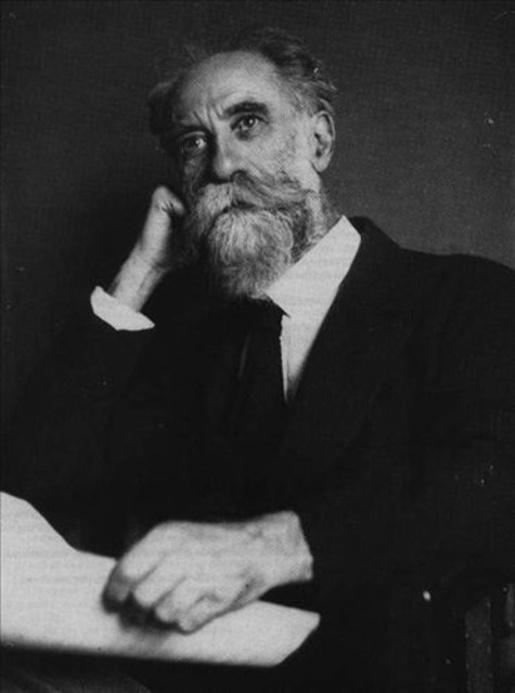
Charles Koechlin

Classical
Chamber Music
 Viberate Rank: 313573
 Viberate Rank: 313573
 Monthly ListenersFollowers
 Subscribers
 Followers
 Followers
 FansTop Spotify SongsTop YouTube VideosMonthly ListenersFeatured in Playlists
| Playlist | Followers | |
|---|---|---|
1 |  Easy Listening Classical For Study, Work, Relaxing, Chillout, Anything But Serious Listening Ulysses' Classical | 99.25K |
2 |  Instrumental Christmas Strings, Jazz & Piano Sony Classical & Jazz Sweden | 23.34K |
3 |  Sad,very sad, classical music Peer Wijntjes | 12.85K |
4 |  Christmas Instrumental Music 2026 🎄🎹 Sony Classical & Jazz Sweden | 10.84K |
5 |  Lucas & Arthur Jussen - Complete Lucas Jussen | 8.51K |
Audience| City | Monthly Listeners | |
|---|---|---|
1 |  | 135 |
2 |  | 116 |
3 | | 113 |
4 |  | 104 |
5 |  | 88 |
See full performance history, audience data, playlist activity, rankings, comparisons, and more in Viberate music analytics. Start with a free trial, then continue with a paid plan.
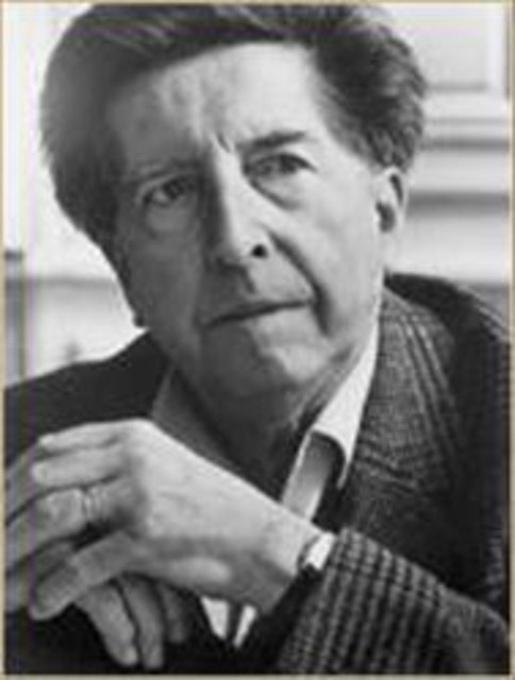
Charles Koechlin’s Spotify BioThough his reputation as a composer has remained rather isolated in the decades since his death, Charles Koechlin enjoyed a prominent place in the French music scene in the first half of the twentieth century. Born in Paris on November 27, 1867, Koechlin began formal musical studies at the Paris Conservatory in 1890. His teachers there included Massenet and Fauré; the latter ultimately proved the greatest influence upon Koechlin's uncomplicated but colorful, mildly Impressionistic style. In 1918, Satie welcomed him into Les nouveaux jeunes, a short-lived collective of young French composers (including Roussel and Milhaud) that ultimately metamorphosed into Les Six.
In his lifetime, Koechlin was more widely known for his work as a theorist and teacher than for his own music. His writings include a multi-volume treatise on orchestration, one of the most extensive of its kind. Among his students were two members of Les Six, Germaine Tailleferre and Francis Poulenc, as well as film and… television composer Lalo Schifrin. Koechlin's skill and reputation as an orchestrator were considerable. Saint-Saëns, Fauré, and Debussy entrusted to him the orchestration of a number of their own works, including most of Debussy's first ballet, Khamma (1911-1912). Koechlin traveled widely as a lecturer on music, including three tours in the United States. After a career that encompassed every aspect of French musical life, he died in Le Canadel, France, on New Year's Eve 1950.
While Koechlin's music is not as distinctive in its dramatic, structural, or formal profile as that of contemporaries like Debussy or Ravel, it nonetheless bears the stamp of an unusual personality. Many of his works are conspicuously sectional and almost improvisatory in the manner in which they unfold; his melodies in particular tend toward unrestricted, continual motion. Harmony and instrumental color are generally at the fore in Koechlin's music, which is perhaps most effective in the way it creates exquisitely shaded atmospheres. The composer wrote prolifically and for nearly every medium -- except, tellingly, for the operatic stage -- but carved out a quirky compositional niche that remains unique. Prefiguring multi-work "literary" cycles like American composer David Del Tredici's Alice in Wonderland series, Koechlin produced seven interrelated works based on Kipling's The Jungle Book. Perhaps unexpectedly, given his sober, messianic appearance, he also harbored a virtual mania for the cinema, which he translated into a number of works inspired by various silver-screen personalities. He celebrated the icons of Hollywood's Golden Age in works like Five Dances for Ginger [Rogers] (1937) and Epitaphe de Jean Harlow (1937), but his most stimulating muse was apparently English-German actress Lilian Harvey (1906-1968). Initially flattered by Koechlin's hommages, which included more than a hundred works, including two "Lilian Albums," Harvey eventually grew uneasy with his seeming obsession. She also enjoys a place of honor in what is likely the most famous (if not generally familiar) of Koechlin's works, the Seven Stars Symphony (1933). Neither astrological nor astronomical in inspiration, the symphony is instead a suite of tone poems, each an evocative portrait of a leading screen figure of the day: Douglas Fairbanks, Harvey, Greta Garbo, Clara Bow, Marlene Dietrich, Emil Jannings, and Charlie Chaplin.
Viberate is a music analytics platform built for A&Rs, artist managers, labels, booking agents, marketers, and artists.
It helps music professionals track artist growth, analyze audience data, monitor playlist activity, compare artists, follow song performance, and identify opportunities across the music market.
Public artist pages provide a free preview of selected artist data. Paid plans provide access to deeper analytics, historical data, charts, comparisons, playlist tools, exports, alerts, reports, and additional professional features.
Yes. Public Viberate artist pages provide selected artist analytics and music data for free.
Viberate also offers a 7-day free trial of the full platform. A credit card is required to start the trial. The trial includes access to the complete product so users can test deeper artist analytics, historical views, playlist insights, comparisons, charts, exports, alerts, and reporting features before choosing a paid plan.
Viberate provides artist analytics across streaming, playlists, social media, video, radio airplay, songs, and audience markets.
Users can analyze Spotify performance, Spotify and Apple Music playlists, YouTube activity, TikTok and Instagram growth, radio spins, song performance, audience locations, demographics, rankings, and overall artist momentum.
Artist profiles also connect to music charts, similar artists, and comparison tools, helping users benchmark performance and evaluate artists in context.
Viberate updates key artist and track data daily.
For followed artists and tracks, selected data is refreshed multiple times per day. This helps teams monitor playlist changes, streaming movement, audience growth, releases, and campaign performance with more current data.
Update frequency can vary depending on the metric and data source.
Yes. Viberate lets users compare up to five artists side by side across streaming, social media, audience, and engagement metrics.
Users can compare fanbase growth, audience demographics, locations, Spotify performance, social metrics, and other artist data over selected time periods.
Artist comparison can be used for A&R scouting, benchmarking, booking decisions, campaign planning, and evaluating artists with similar audiences or market positions.