Charles Brown

Blues
Jazz Blues
Soul Blues
 Viberate Rank: 111263
 Viberate Rank: 111263
 Monthly ListenersFollowers
 Subscribers
 Followers
 Followers
 FansTop Spotify Songs
| Track | 7-Day Streams | |
|---|---|---|
1 | 134.26K | |
2 | 26.99K | |
3 | 22.99K | |
4 | 18.41K | |
5 | 17.58K |
Top YouTube VideosMonthly ListenersFeatured in Playlists| Playlist | Followers | |
|---|---|---|
1 |  Weihnachtsklassiker Spotify | 690.37K |
2 |  Christmas Coffeehouse Jazz Spotify | 136.73K |
3 |  Whiskey Blues 🥃 Тhe Original | The Best Slow Blues / Blues Rock Don's Tunes | 85.92K |
4 |  Home Alone Soundtrack Home Alone | 55.61K |
5 |  Venom Holiday Party PlayStation®️ | 55.12K |
Audience| City | Monthly Listeners | |
|---|---|---|
1 |  | 3.32K |
2 |  | 3.30K |
3 | | 2.72K |
4 | | 2.58K |
5 | | 1.75K |
See full performance history, audience data, playlist activity, rankings, comparisons, and more in Viberate music analytics. Start with a free trial, then continue with a paid plan.
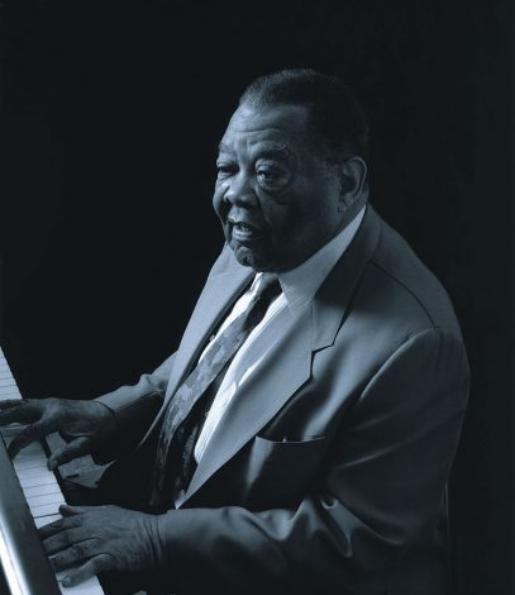
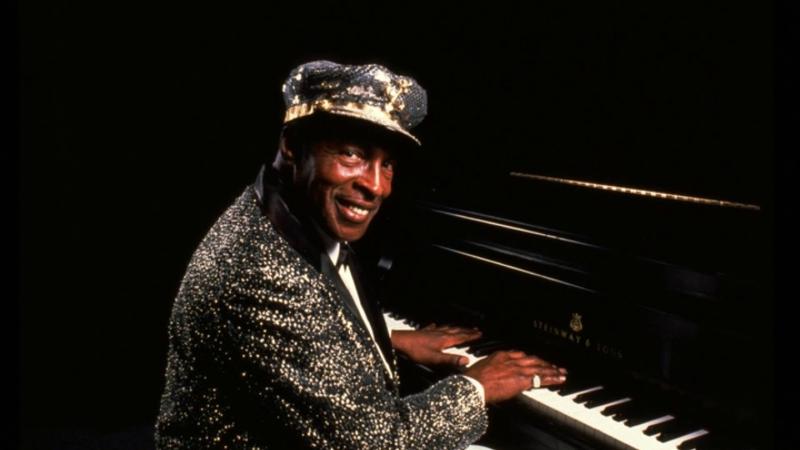
Charles Brown’s Spotify BioHow many blues artists remained at the absolute top of their game after more than a half-century of performing? One immediately leaps to mind: Charles Brown. His incredible piano skills and laid-back vocal delivery remained every bit as mesmerizing at the end of his life as they were way back in 1945, when his groundbreaking waxing of "Drifting Blues" with guitarist Johnny Moore's Three Blazers invented an entirely new blues genre for sophisticated postwar revelers: an ultra-mellow, jazz-inflected sound perfect for sipping a late-night libation in some hip after-hours joint. Brown's smooth trio format was tremendously influential to a host of high-profile disciples -- Ray Charles, Amos Milburn, and Floyd Dixon, for starters.
Classically trained on the ivories, Brown earned a degree in chemistry before moving to Los Angeles in 1943. He soon hooked up with the Blazers (Moore and bassist Eddie Williams), who modeled themselves after Nat "King" Cole's trio but retained a bluesier tone… within their ballad-heavy repertoire. With Brown installed as their vocalist and pianist, the Blazers' "Drifting Blues" for Philo Records remained on Billboard's R&B charts for 23 weeks, peaking at number two. Follow-ups for Exclusive and Modern (including "Sunny Road," "So Long," "New Orleans Blues," and their immortal 1947 Yuletide classic "Merry Christmas Baby") kept the Blazers around the top of the R&B listings from 1946 through 1948, until Brown opted to go solo.
If anything, Brown was even more successful on his own. Signing with Eddie Mesner's Aladdin logo, he visited the R&B Top Ten no less than ten times from 1949 to 1952, retaining his mournful, sparsely arranged sound for the smashes "Get Yourself Another Fool," the chart-topping "Trouble Blues" and "Black Night," and "Hard Times." Despite a 1956 jaunt to New Orleans to record with the Cosimo's studio band, Brown's mellow approach failed to make the transition to rock's brasher rhythms, and he soon faded from national prominence (other than when his second holiday perennial, "Please Come Home for Christmas," hit in 1960 on the King label). Occasionally recording without causing much of a stir during the '60s and '70s, Brown began to regroup by the mid-'80s. One More for the Road, a set cut in 1986 for the short-lived Blue Side logo, announced to anyone within earshot that Brown's talents hadn't diminished at all while he was gone (the set later re-emerged on Alligator). Bonnie Raitt took an encouraging interest in Brown's comeback bid, bringing him on tour with her as her opening act (thus introducing the blues vet to a whole new generation or two of fans). His recording career took off too, with a series of albums for Bullseye Blues (the first entry, 1990's All My Life, is especially pleasing), and more recently, a disc for Verve.
In his last years, Brown finally received at least a portion of the recognition he deserved for so long as a genuine rhythm and blues pioneer. But the suave, elegant Brown was by no means a relic, as anyone who witnessed his thundering boogie piano style will gladly attest; he returned in 1998 with So Goes Love before dying on January 21, 1999. ~ Bill Dahl, Rovi
Viberate is a music analytics platform built for A&Rs, artist managers, labels, booking agents, marketers, and artists.
It helps music professionals track artist growth, analyze audience data, monitor playlist activity, compare artists, follow song performance, and identify opportunities across the music market.
Public artist pages provide a free preview of selected artist data. Paid plans provide access to deeper analytics, historical data, charts, comparisons, playlist tools, exports, alerts, reports, and additional professional features.
Yes. Public Viberate artist pages provide selected artist analytics and music data for free.
Viberate also offers a 7-day free trial of the full platform. A credit card is required to start the trial. The trial includes access to the complete product so users can test deeper artist analytics, historical views, playlist insights, comparisons, charts, exports, alerts, and reporting features before choosing a paid plan.
Viberate provides artist analytics across streaming, playlists, social media, video, radio airplay, songs, and audience markets.
Users can analyze Spotify performance, Spotify and Apple Music playlists, YouTube activity, TikTok and Instagram growth, radio spins, song performance, audience locations, demographics, rankings, and overall artist momentum.
Artist profiles also connect to music charts, similar artists, and comparison tools, helping users benchmark performance and evaluate artists in context.
Viberate updates key artist and track data daily.
For followed artists and tracks, selected data is refreshed multiple times per day. This helps teams monitor playlist changes, streaming movement, audience growth, releases, and campaign performance with more current data.
Update frequency can vary depending on the metric and data source.
Yes. Viberate lets users compare up to five artists side by side across streaming, social media, audience, and engagement metrics.
Users can compare fanbase growth, audience demographics, locations, Spotify performance, social metrics, and other artist data over selected time periods.
Artist comparison can be used for A&R scouting, benchmarking, booking decisions, campaign planning, and evaluating artists with similar audiences or market positions.