Charanga Cakewalk

Latin
Cumbia
Other Latin Music
 Viberate Rank: 491255
 Viberate Rank: 491255
 Monthly ListenersFollowers
 Subscribers
 Followers
 Followers
 FansTop Spotify Songs
| Track | 7-Day Streams | |
|---|---|---|
1 | 705 | |
2 | 239 | |
3 | 47 | |
4 | 34 | |
5 | 15 |
Top YouTube VideosMonthly ListenersFeatured in Playlists| Playlist | Followers | |
|---|---|---|
1 |  Latin Lounge by Putumayo Paula Alonso Almorox | 5.66K |
2 | Electro cumbia Marcos Bragagnolo | 4.24K |
3 |  StudioNeu // monthly Arman Nafeei | 1.18K |
Audience| City | Monthly Listeners | |
|---|---|---|
1 |  | 161 |
2 | | 41 |
3 |  | 24 |
4 |  | 21 |
5 | | 19 |
See full performance history, audience data, playlist activity, rankings, comparisons, and more in Viberate music analytics. Start with a free trial, then continue with a paid plan.
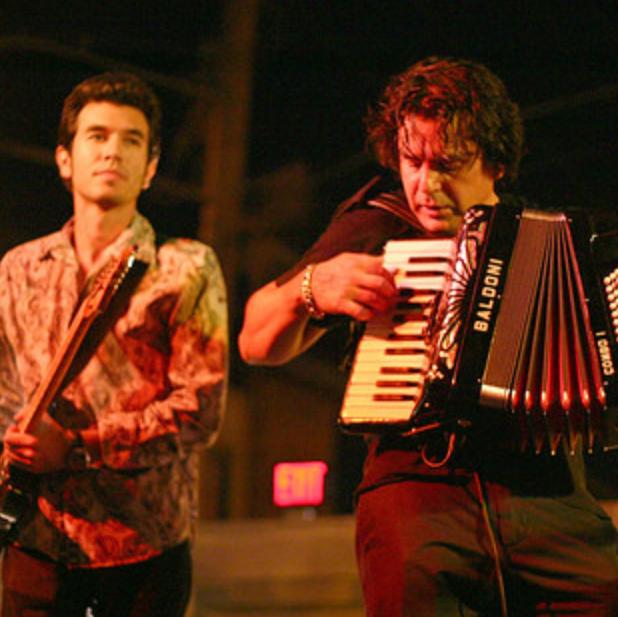
Charanga Cakewalk’s Spotify BioCharanga Cakewalk is more or less Michael Ramos, a self-described Latino Chicano Mexican who is also -- as his music makes abundantly clear -- a citizen of the world. Followers of popular music will recognize Ramos for his work as a sideman and sometime rock & roller: before striking out on his own as the king of cumbia lounge -- a never-dull, feel-good musical mélange that includes artfully tweaked elements of tejano, flamenco folklorica, merengue, salsa, garage rock, ska, and reggaeton -- Ramos played multiple instruments in the studio and on-stage for John Mellencamp, Paul Simon, Patty Griffin, and others. He was also a sometime member of the frothy '90s bands the BoDeans and the Rembrandts. Throughout his tour of duty as an Austin-based rocker renowned for his skill at hitting the right note on everything from accordion to Hammond B-3, though, Ramos never managed to shake a fascination with the Latino music he listened to on the kitchen radio as a kid. Pérez Prado, Tito Puente, and… Santana were among his heroes, and shades of them have emerged on both Loteria de la Cumbia Lounge, released in 2005, and the still more inventive Chicano Zen, released in 2006. Not all of Charanga Cakewalk's quirky, instantly recognizable output can be credited solely to writer/producer/multi-instrumentalist Ramos, though. On both discs, he has recruited well-known friends as collaborators. Chicano Zen, especially, is an all-star affair: Lila Downs, Ruben Ramos, Griffin, Martha González, and Davíd Garza guest. ~ Tammy La Gorce, Rovi
Viberate is a music analytics platform built for A&Rs, artist managers, labels, booking agents, marketers, and artists.
It helps music professionals track artist growth, analyze audience data, monitor playlist activity, compare artists, follow song performance, and identify opportunities across the music market.
Public artist pages provide a free preview of selected artist data. Paid plans provide access to deeper analytics, historical data, charts, comparisons, playlist tools, exports, alerts, reports, and additional professional features.
Yes. Public Viberate artist pages provide selected artist analytics and music data for free.
Viberate also offers a 7-day free trial of the full platform. A credit card is required to start the trial. The trial includes access to the complete product so users can test deeper artist analytics, historical views, playlist insights, comparisons, charts, exports, alerts, and reporting features before choosing a paid plan.
Viberate provides artist analytics across streaming, playlists, social media, video, radio airplay, songs, and audience markets.
Users can analyze Spotify performance, Spotify and Apple Music playlists, YouTube activity, TikTok and Instagram growth, radio spins, song performance, audience locations, demographics, rankings, and overall artist momentum.
Artist profiles also connect to music charts, similar artists, and comparison tools, helping users benchmark performance and evaluate artists in context.
Viberate updates key artist and track data daily.
For followed artists and tracks, selected data is refreshed multiple times per day. This helps teams monitor playlist changes, streaming movement, audience growth, releases, and campaign performance with more current data.
Update frequency can vary depending on the metric and data source.
Yes. Viberate lets users compare up to five artists side by side across streaming, social media, audience, and engagement metrics.
Users can compare fanbase growth, audience demographics, locations, Spotify performance, social metrics, and other artist data over selected time periods.
Artist comparison can be used for A&R scouting, benchmarking, booking decisions, campaign planning, and evaluating artists with similar audiences or market positions.