Channel 3

Punk
Punk Rock
Hardcore Punk
 Viberate Rank: 227318
 Viberate Rank: 227318
 Monthly ListenersFollowers
 Subscribers
 Followers
 Followers
 FansTop Spotify Songs
| Track | 7-Day Streams | |
|---|---|---|
1 | 505 | |
2 | 505 | |
3 | 455 | |
4 | 361 | |
5 | 276 |
Top YouTube Videos| Video | 7-Day Views | |
|---|---|---|
1 | 55 | |
2 | 47 | |
3 | 33 | |
4 | 23 | |
5 | 20 |
Monthly ListenersFeatured in Playlists| Playlist | Followers | |
|---|---|---|
1 |  Stranger Things Soundtrack (Netflix) Excelsior Recordings | 121.77K |
2 |  Far Cry Complete Music | Official Playlist Ubisoft Music | 31.41K |
3 |  The Evolution of Punk (In Chronological Order) kingfirley | 16.18K |
4 |  Far Cry 5 Radio (Licensed Soundtrack) Aaron Joseph | 11.81K |
5 | Hugo O'Brien | 9.43K |
Audience| City | Monthly Listeners | |
|---|---|---|
1 | | 186 |
2 | | 53 |
3 | | 44 |
4 | | 43 |
5 | | 43 |
See full performance history, audience data, playlist activity, rankings, comparisons, and more in Viberate music analytics. Start with a free trial, then continue with a paid plan.
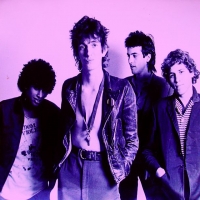
Channel 3’s Spotify BioA long-running West Coast punk band, Channel 3 went from playing parties in their hometown of Cerritos, California to international acclaim on their strength of their 1982 album, Fear of Life. Playing a robust variation on SoCal hardcore punk, Channel 3's first full-length became a classic in California punk circles and won them a following in the U.K. and Europe when a revised edition of the album was issued overseas as I've Got a Gun. In the mid-'80s, Channel 3 explored hard rock and metal influences on 1984's Airborne and 1985's Last Time I Drank..., releases that divided their fan base. After years away from the studio, the group returned to classic form on 2002's CH3, and toured regularly in the U.S. and Europe; they showed they were still in fighting shape with 2018's Put 'Em Up.
Channel 3 (also known to fans as CH3) were formed in 1980 by guitarist and vocalist Mike Magrann and guitarist Kimm Gardener, who had been close friends since childhood. While Magrann and Gardener grew up… on a steady diet of classic rock, including Led Zeppelin, the Who, Aerosmith, Cheap Trick, and Lynyrd Skynyrd, when they discovered punk rock, they started frequenting shows in Hollywood, where the new sound had gained a foothold. Magrann and Gardener saw their way into making music of their own, and formed Channel 3, playing parties and keggers in their hometown of Cerritos, California. The band started out playing covers, but soon Magrann was writing original material, with Gardener sometimes collaborating, and after recruiting bassist Larry Kelley and drummer Mike Burton, the group cut its first demo tape. A copy of the demo made its way to Robbie Fields, founder of the successful West Coast punk label Posh Boy Records, and Fields was eager to sign Channel 3, even though they had yet to play a proper club gig. The group's first record, a self-titled four-song EP, appeared in mid-1981, and Channel 3 were soon playing any California venue that would have them. CH3's first full-length album, Fear of Life, came out in mid-1982, and became a West Coast punk touchstone, with the band heading out on its first major American tour. Wasting no time, the band was back in 1983 with its second album, After the Lights Go Out, which featured Jack DeBaun on drums, the first of many instances of CH3 replacing their percussionist. By this time, the group had a following in England, with the U.K. punk label No Future releasing I've Got a Gun, an edited and resequenced edition of Fear of Life. The success of I've Got a Gun led to U.K. and European touring for Channel 3, with the group's audience steadily growing.
For 1984's Airborne EP, Channel 3 moved from Posh Boy to the larger and better distributed Enigma Records label, and began expanding their lineup as well as polishing their sound and letting their hard rock influences shine through. Their next album, 1985's Last Time I Drank..., was an even greater departure from CH3's early work, with the group grown to a quintet with Magrann and Gardener joined by James D. Langford on guitar, drummer Ron Wood, and bassist Larry Lee Lerma. While this edition of the group landed gigs opening for Midnight Oil and the Red Hot Chili Peppers, many older fans were unhappy with Channel 3's new approach and they weren't gaining enough new followers to compensate. They jumped to the smaller Lone Wolf label for 1989's Rejected, which attracted little notice, and while CH3 gigged periodically in the '90s (and issued a live album, ...How Do You Open the Damned Thing? Live '94, recorded during a run of shows in Europe), they released no studio material during the decade. With 2002's CH3, the group -- featuring Magrann, Gardener, Anthony Thompson on bass, and Fredo Silva on drums -- delivered an energetic return to its classic sound, leading to successful tours of the United States and Europe. Live work continued to be Channel 3's focus, and in 2008 they released One More for All My True Friends, a live album that was issued in tandem with a DVD documentary on the history of the band. To Whom It May Concern: The 1981 Demos, a limited-edition collection of the band's first recordings, was issued in 2009. Once again, they put their emphasis on live performing, though occasional singles appeared, which were collected on the 2015 album A Home for the Homeless. In 2018, Channel 3 broke in another new drummer, Nick Manning, and dropped a studio album, a full-bodied mix of punk and hard rock titled Put 'Em Up. ~ Mark Deming, Rovi
Viberate is a music analytics platform built for A&Rs, artist managers, labels, booking agents, marketers, and artists.
It helps music professionals track artist growth, analyze audience data, monitor playlist activity, compare artists, follow song performance, and identify opportunities across the music market.
Public artist pages provide a free preview of selected artist data. Paid plans provide access to deeper analytics, historical data, charts, comparisons, playlist tools, exports, alerts, reports, and additional professional features.
Yes. Public Viberate artist pages provide selected artist analytics and music data for free.
Viberate also offers a 7-day free trial of the full platform. A credit card is required to start the trial. The trial includes access to the complete product so users can test deeper artist analytics, historical views, playlist insights, comparisons, charts, exports, alerts, and reporting features before choosing a paid plan.
Viberate provides artist analytics across streaming, playlists, social media, video, radio airplay, songs, and audience markets.
Users can analyze Spotify performance, Spotify and Apple Music playlists, YouTube activity, TikTok and Instagram growth, radio spins, song performance, audience locations, demographics, rankings, and overall artist momentum.
Artist profiles also connect to music charts, similar artists, and comparison tools, helping users benchmark performance and evaluate artists in context.
Viberate updates key artist and track data daily.
For followed artists and tracks, selected data is refreshed multiple times per day. This helps teams monitor playlist changes, streaming movement, audience growth, releases, and campaign performance with more current data.
Update frequency can vary depending on the metric and data source.
Yes. Viberate lets users compare up to five artists side by side across streaming, social media, audience, and engagement metrics.
Users can compare fanbase growth, audience demographics, locations, Spotify performance, social metrics, and other artist data over selected time periods.
Artist comparison can be used for A&R scouting, benchmarking, booking decisions, campaign planning, and evaluating artists with similar audiences or market positions.