Cedric Burnside

Blues
Contemporary Blues
 Viberate Rank: 100307
 Viberate Rank: 100307
 Monthly ListenersFollowers
 Subscribers
 Followers
 Followers
 FansTop Spotify Songs
| Track | 7-Day Streams | |
|---|---|---|
1 | 13.17K | |
2 | 11.63K | |
3 | 8.55K | |
4 | 6.33K | |
5 | 5.26K |
Top YouTube VideosMonthly ListenersFeatured in Playlists| Playlist | Followers | |
|---|---|---|
1 |  Acoustic Blues Spotify | 873.83K |
2 |  Sinners Official Playlist Spotify | 161.66K |
3 |  Nu-Blue Spotify | 159.86K |
4 |  Funky Blues Spotify | 67.72K |
5 |  Greatest Blues Jared Kerkhof | 56.18K |
Audience| City | Monthly Listeners | |
|---|---|---|
1 |  | 1.52K |
2 |  | 1.49K |
3 | | 1.45K |
4 |  | 1.45K |
5 | | 1.27K |
See full performance history, audience data, playlist activity, rankings, comparisons, and more in Viberate music analytics. Start with a free trial, then continue with a paid plan.
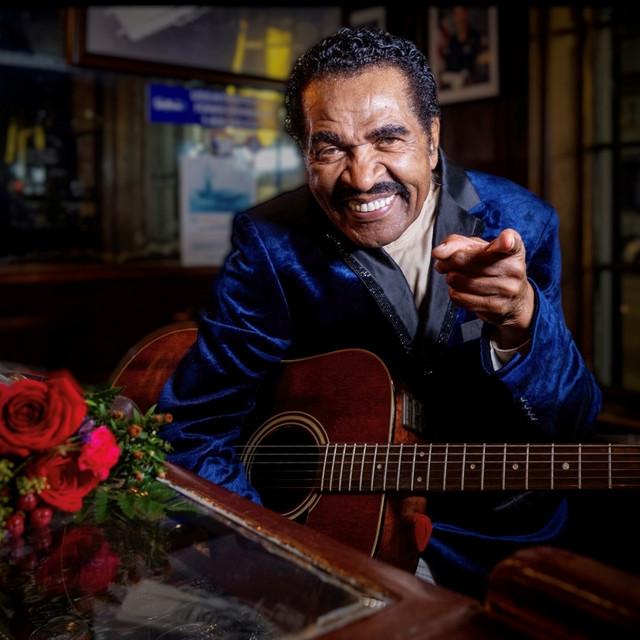
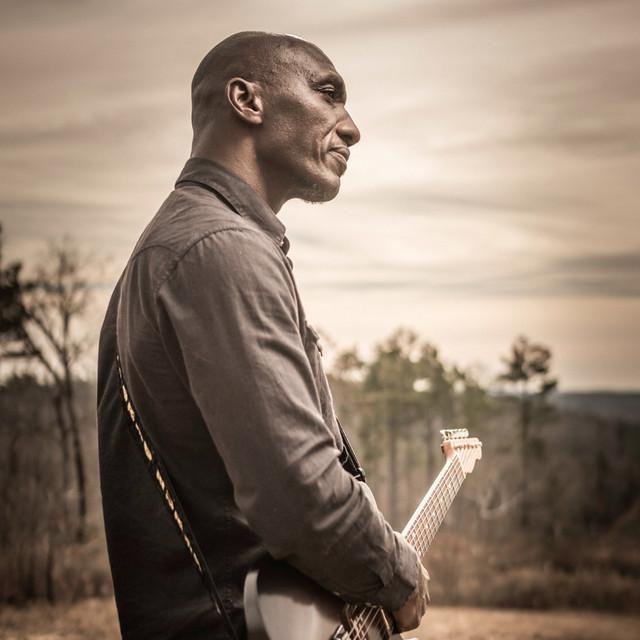
Cedric Burnside’s Spotify BioWhen Cedric Burnside prepared to record Hill Country Love, the follow-up to his 2021 Grammy-winning album I Be Trying, he set up shop in a former legal office located in a row of structures in Ripley, Mississippi, the seat of Tippah County, a town known as the birthplace of the Hill Country Blues style. Producer Luther Dickinson brought recording equipment into the empty space and they recorded fourteen songs in two days.
“Every time I write an album, it's always different,” says Burnside, whose previous two releases—2015’s Descendants of Hill Country and 2018’s Benton County Relic—were both nominated for Grammys. “This time, I'm a little more upfront and direct.”
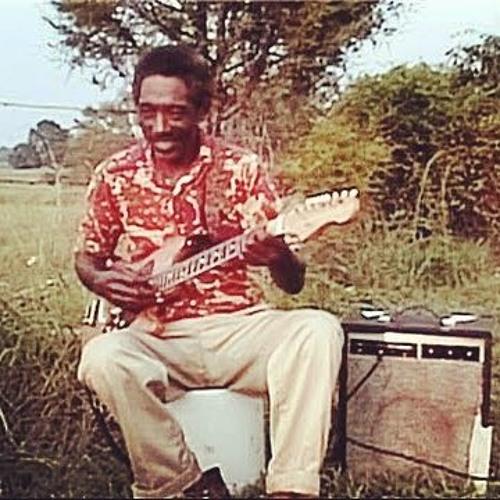
As songs like the title track and “Juke Joint” indicate, even with all his travels and accomplishments, Burnside has never strayed far from the distinctive style pioneered by his grandfather, blues legend R.L. Burnside. But Burnside sees himself as an inheritor, not an imitator, incorporating rock, R&B, and hip-hop elements… into his work. “Love You Music” reveals the parallels between the polyrhythmic, droning sound of the Hill Country style and West African music, and on “Closer,” Burnside strives for spiritual redemption.
Cedric Burnside’s goal for Hill Country Love was a real sense of honesty and integrity. “I have to be true to where I'm coming from,” he continues. “Life gives you good and life gives you bad and you have to cope with it however you need to cope with it.
Viberate is a music analytics platform built for A&Rs, artist managers, labels, booking agents, marketers, and artists.
It helps music professionals track artist growth, analyze audience data, monitor playlist activity, compare artists, follow song performance, and identify opportunities across the music market.
Public artist pages provide a free preview of selected artist data. Paid plans provide access to deeper analytics, historical data, charts, comparisons, playlist tools, exports, alerts, reports, and additional professional features.
Yes. Public Viberate artist pages provide selected artist analytics and music data for free.
Viberate also offers a 7-day free trial of the full platform. A credit card is required to start the trial. The trial includes access to the complete product so users can test deeper artist analytics, historical views, playlist insights, comparisons, charts, exports, alerts, and reporting features before choosing a paid plan.
Viberate provides artist analytics across streaming, playlists, social media, video, radio airplay, songs, and audience markets.
Users can analyze Spotify performance, Spotify and Apple Music playlists, YouTube activity, TikTok and Instagram growth, radio spins, song performance, audience locations, demographics, rankings, and overall artist momentum.
Artist profiles also connect to music charts, similar artists, and comparison tools, helping users benchmark performance and evaluate artists in context.
Viberate updates key artist and track data daily.
For followed artists and tracks, selected data is refreshed multiple times per day. This helps teams monitor playlist changes, streaming movement, audience growth, releases, and campaign performance with more current data.
Update frequency can vary depending on the metric and data source.
Yes. Viberate lets users compare up to five artists side by side across streaming, social media, audience, and engagement metrics.
Users can compare fanbase growth, audience demographics, locations, Spotify performance, social metrics, and other artist data over selected time periods.
Artist comparison can be used for A&R scouting, benchmarking, booking decisions, campaign planning, and evaluating artists with similar audiences or market positions.