Robert Randolph

Blues
Contemporary Blues
Alternative Rock
 Viberate Rank: 87804
 Viberate Rank: 87804
 Monthly ListenersFollowers
 Subscribers
 Followers
 Followers
 FansTop Spotify Songs
| Track | 7-Day Streams | |
|---|---|---|
1 | 36.22K | |
2 | 16.96K | |
3 | 8.43K | |
4 | 6.92K | |
5 | 5.50K |
Top YouTube Videos| Video | 7-Day Views | |
|---|---|---|
1 | 30 |
Monthly ListenersFeatured in Playlists| Playlist | Followers | |
|---|---|---|
1 |  the new retro Spotify | 429.73K |
2 |  Modern Blues Rock Spotify | 276.73K |
3 |  One Tree Hill 🌳 paigecarson | 197.32K |
4 |  Got Blues Spotify | 161.35K |
5 |  Nu-Blue Spotify | 159.86K |
Audience| City | Monthly Listeners | |
|---|---|---|
1 | | 1.08K |
2 | | 973 |
3 | | 913 |
4 |  | 864 |
5 | | 853 |
See full performance history, audience data, playlist activity, rankings, comparisons, and more in Viberate music analytics. Start with a free trial, then continue with a paid plan.
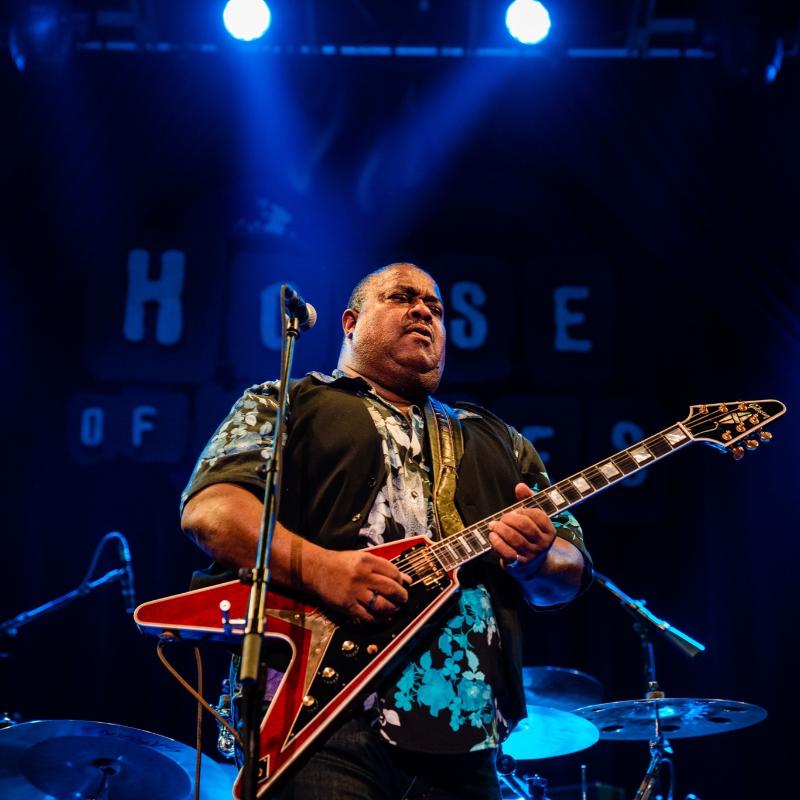
Robert Randolph’s Spotify BioRobert Randolph is a rock-blues pedal steel guitar virtuoso whose music blurs the lines between gospel, rock, blues, and soul. Raised in the House of God Church in New Jersey, he first made his mark channeling the ecstatic energy of worship through his instrument—known in his tradition as “Sacred Steel.” Now, with his new album Preacher Kids on Sun Records, Randolph steps into a bold new chapter. Produced by Shooter Jennings, the album features fellow musicians who, like Randolph, are preachers' kids bridging the church and the secular stage. Recorded in LA and Nashville, the project began as jam sessions that evolved into fully formed songs—retaining the spirit and spontaneity of their origins. Known for his GRAMMY-nominated work with The Family Band and collaborations with legends like Eric Clapton, Santana, Norah Jones, and Beyoncé (on the GRAMMY-winning Cowboy Carter), Randolph has also earned 13 Emmys for his work in sports broadcasting and created the theme for Amazon Prime’s… Thursday Night Football. With Preacher Kids, he returns to his roots while pushing the boundaries of where gospel-inspired music can go next.
Viberate is a music analytics platform built for A&Rs, artist managers, labels, booking agents, marketers, and artists.
It helps music professionals track artist growth, analyze audience data, monitor playlist activity, compare artists, follow song performance, and identify opportunities across the music market.
Public artist pages provide a free preview of selected artist data. Paid plans provide access to deeper analytics, historical data, charts, comparisons, playlist tools, exports, alerts, reports, and additional professional features.
Yes. Public Viberate artist pages provide selected artist analytics and music data for free.
Viberate also offers a 7-day free trial of the full platform. A credit card is required to start the trial. The trial includes access to the complete product so users can test deeper artist analytics, historical views, playlist insights, comparisons, charts, exports, alerts, and reporting features before choosing a paid plan.
Viberate provides artist analytics across streaming, playlists, social media, video, radio airplay, songs, and audience markets.
Users can analyze Spotify performance, Spotify and Apple Music playlists, YouTube activity, TikTok and Instagram growth, radio spins, song performance, audience locations, demographics, rankings, and overall artist momentum.
Artist profiles also connect to music charts, similar artists, and comparison tools, helping users benchmark performance and evaluate artists in context.
Viberate updates key artist and track data daily.
For followed artists and tracks, selected data is refreshed multiple times per day. This helps teams monitor playlist changes, streaming movement, audience growth, releases, and campaign performance with more current data.
Update frequency can vary depending on the metric and data source.
Yes. Viberate lets users compare up to five artists side by side across streaming, social media, audience, and engagement metrics.
Users can compare fanbase growth, audience demographics, locations, Spotify performance, social metrics, and other artist data over selected time periods.
Artist comparison can be used for A&R scouting, benchmarking, booking decisions, campaign planning, and evaluating artists with similar audiences or market positions.