Casey Hensley

Blues
Contemporary Blues
 Viberate Rank: 377364
 Viberate Rank: 377364
 Monthly ListenersFollowers
 Subscribers
 Followers
 Followers
 FansTop Spotify SongsTop YouTube VideosMonthly ListenersFeatured in Playlists
| Playlist | Followers | |
|---|---|---|
1 |  The Best Female Blues & Jazz Vocals | Don's Tunes Don's Tunes | 14.93K |
2 |  Push Your Limits Iconic | 9.65K |
3 |  COVERS EPIC VERSIONS & DARK POP PVS | 6.40K |
4 |  Creepy covers and Haunting songs this-old-soul | 5.38K |
5 |  Epic Movie Trailer Versions (of Popular Songs) Scott Hill | 4.04K |
Audience| City | Monthly Listeners | |
|---|---|---|
1 |  | 3 |
2 |  | 3 |
3 | | 3 |
4 |  | 3 |
See full performance history, audience data, playlist activity, rankings, comparisons, and more in Viberate music analytics. Start with a free trial, then continue with a paid plan.
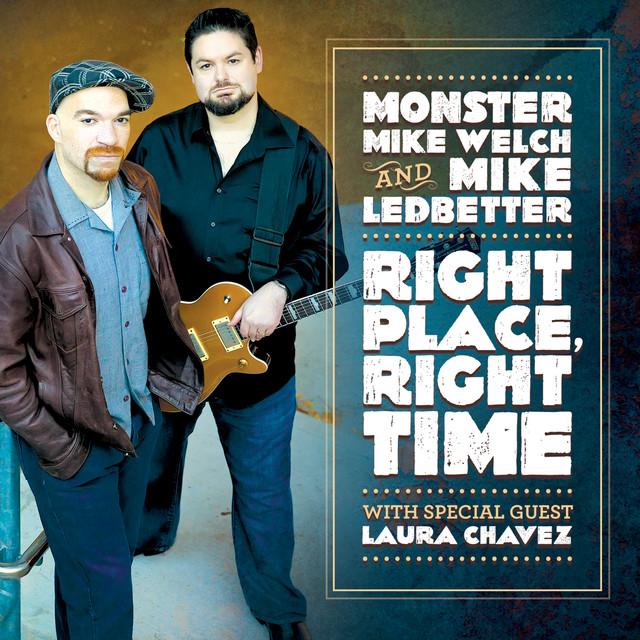
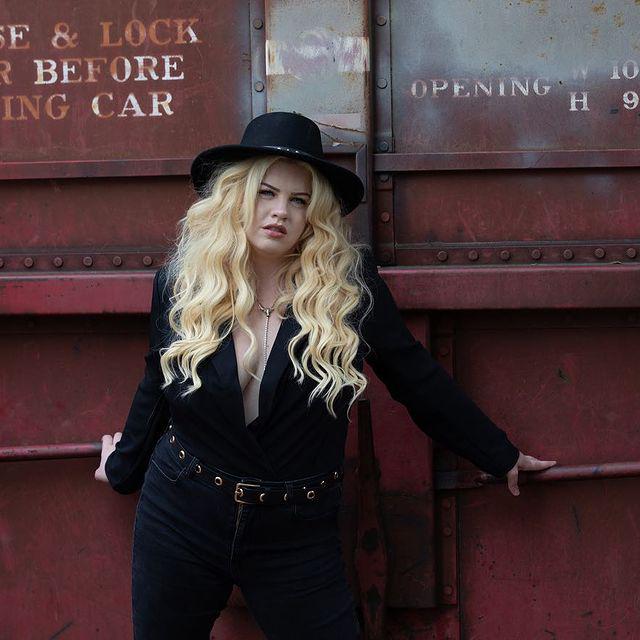
Casey Hensley’s Spotify BioCasey Hensley is a San Diego-based blues singer and songwriter, and her self-monikered backing band includes celebrated guitar slinger Laura Chavez, drummer Evan Caleb Yearsley (son of the late vocalist Candye Kane), saxophonist Johnny Viau, and bassist Marcos C. They are well known in California and the American Southwest for their ability to cross blues subgenres, including jump, swing, and Chicago blues.
Born in Los Gatos, Hensley was raised in a musical home in San Diego and began performing on stages when she was just five by emulating singers such as Etta James, Aretha Franklin, and Bobby "Blue" Bland. By age nine she was already a professional musician. She fronted the band Chasing Norman in her late teens and early twenties before breaking out on her own, attending numerous blues jams in the San Diego region and meeting Chavez and Yearsley (the latter is also her life partner). Together they formed her backing band, enlisted the rest of the personnel, and began playing gigs… wherever they could find them, mixing their originals with classic blues covers.
The San Diego press took notice right away. In May 2017, the singer's band headlined the Ojai Blues Festival, appeared at Gator by the Bay, and played the Doheny Blues Fest. Later that year, they played Las Vegas' Big Blues Bender at the Plaza Hotel and toured the Pacific Northwest. After Hensley and band signed to Vizztone Records, the album Casey Hensley Live Featuring Laura Chavez was issued in October 2017. ~ Thom Jurek, Rovi
Viberate is a music analytics platform built for A&Rs, artist managers, labels, booking agents, marketers, and artists.
It helps music professionals track artist growth, analyze audience data, monitor playlist activity, compare artists, follow song performance, and identify opportunities across the music market.
Public artist pages provide a free preview of selected artist data. Paid plans provide access to deeper analytics, historical data, charts, comparisons, playlist tools, exports, alerts, reports, and additional professional features.
Yes. Public Viberate artist pages provide selected artist analytics and music data for free.
Viberate also offers a 7-day free trial of the full platform. A credit card is required to start the trial. The trial includes access to the complete product so users can test deeper artist analytics, historical views, playlist insights, comparisons, charts, exports, alerts, and reporting features before choosing a paid plan.
Viberate provides artist analytics across streaming, playlists, social media, video, radio airplay, songs, and audience markets.
Users can analyze Spotify performance, Spotify and Apple Music playlists, YouTube activity, TikTok and Instagram growth, radio spins, song performance, audience locations, demographics, rankings, and overall artist momentum.
Artist profiles also connect to music charts, similar artists, and comparison tools, helping users benchmark performance and evaluate artists in context.
Viberate updates key artist and track data daily.
For followed artists and tracks, selected data is refreshed multiple times per day. This helps teams monitor playlist changes, streaming movement, audience growth, releases, and campaign performance with more current data.
Update frequency can vary depending on the metric and data source.
Yes. Viberate lets users compare up to five artists side by side across streaming, social media, audience, and engagement metrics.
Users can compare fanbase growth, audience demographics, locations, Spotify performance, social metrics, and other artist data over selected time periods.
Artist comparison can be used for A&R scouting, benchmarking, booking decisions, campaign planning, and evaluating artists with similar audiences or market positions.