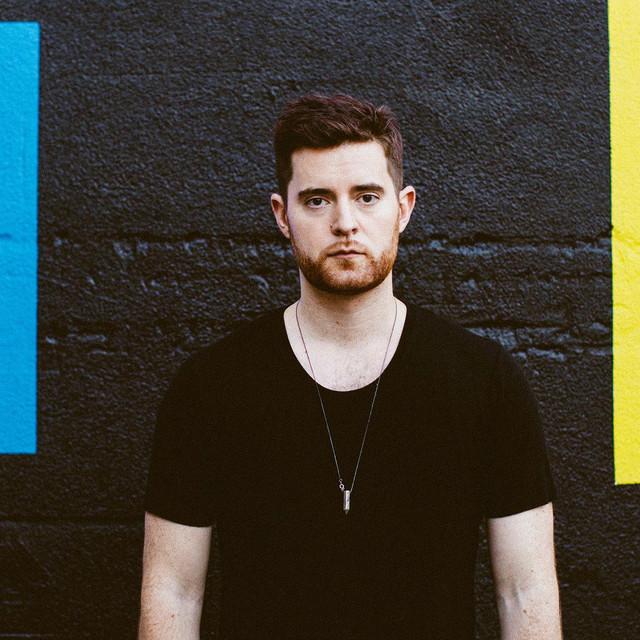
Carnage

Electronic
Dance
House
 Viberate Rank: 37132
 Viberate Rank: 37132
 Monthly ListenersFollowers
 Subscribers
 Followers
 Followers
 FansTop Spotify Songs
| Track | 7-Day Streams | |
|---|---|---|
1 | 55.34K | |
2 | 42.99K | |
3 | 40.71K | |
4 | 30.62K | |
5 | 30.13K |
Top YouTube Videos| Video | 7-Day Views | |
|---|---|---|
1 | 25.00K | |
2 | 21.04K | |
3 | 13.61K | |
4 | 5.87K | |
5 | 3.86K |
Monthly ListenersFeatured in Playlists| Playlist | Followers | |
|---|---|---|
1 |  XXXTENTACION - Bad Vibes Forever XXXTENTACION | 449.87K |
2 |  Workout Mix HITS | 397.03K |
3 |  Fresh Chill PopFiltr | 369.31K |
4 |  Zoedic EDM Playlist Updated Weekly Elaine Lin | 331.84K |
5 |  Bass Songs for car Promoting Sounds | 243.37K |
Audience| City | Monthly Listeners | |
|---|---|---|
1 | | 12.76K |
2 | | 10.87K |
3 |  | 10.43K |
4 | | 9.98K |
5 | | 9.04K |
See full performance history, audience data, playlist activity, rankings, comparisons, and more in Viberate music analytics. Start with a free trial, then continue with a paid plan.
Carnage’s Spotify BioDiamanté Anthony Blackmon is the American Dream. Diamanté grew up in Guatemala and came to America at 10 years old speaking very little English in a lower income neighborhood. Against all odds, Diamanté grew into Carnage, one of the most dominant music superstar artists in the world. From pioneering the Trap genre, massive collabs and festival appearances in the dance world, to records with Lil Pump, Migos, and Mac Miller, few artists are able to move between genres as seamlessly as Carnage.
Carnage, also known as El Diablo or Papi Gordo, broke onto the scene in 2012 when he uploaded his first song onto YouTube, "Teke Teke". In that same year, Carnage produced a song for American rapper G-Eazy called "Loaded". Shortly following this was the release of “Michael Jordan” and Carnage’s infamous remix for Hardwell of “Spaceman”. Later in October 2015, Carnage released his debut album Papi Gordo, which immediately became the #1 Dance Album in the United States
He's rocked stages at… Electric Daisy Carnival, Coachella, Tomorrowland, TomorrowWorld and many more. Carnage stole the show at Ultra Miami 2016 where he performed on the Mainstage and shocked the crowd time and time again as he brought out Hip Hop heavyweights, DJ Khaled, Rae Sremmurd, Wiz Khalifa and Rick Ross. There's nothing quite like seeing Carnage live.
Viberate is a music analytics platform built for A&Rs, artist managers, labels, booking agents, marketers, and artists.
It helps music professionals track artist growth, analyze audience data, monitor playlist activity, compare artists, follow song performance, and identify opportunities across the music market.
Public artist pages provide a free preview of selected artist data. Paid plans provide access to deeper analytics, historical data, charts, comparisons, playlist tools, exports, alerts, reports, and additional professional features.
Yes. Public Viberate artist pages provide selected artist analytics and music data for free.
Viberate also offers a 7-day free trial of the full platform. A credit card is required to start the trial. The trial includes access to the complete product so users can test deeper artist analytics, historical views, playlist insights, comparisons, charts, exports, alerts, and reporting features before choosing a paid plan.
Viberate provides artist analytics across streaming, playlists, social media, video, radio airplay, songs, and audience markets.
Users can analyze Spotify performance, Spotify and Apple Music playlists, YouTube activity, TikTok and Instagram growth, radio spins, song performance, audience locations, demographics, rankings, and overall artist momentum.
Artist profiles also connect to music charts, similar artists, and comparison tools, helping users benchmark performance and evaluate artists in context.
Viberate updates key artist and track data daily.
For followed artists and tracks, selected data is refreshed multiple times per day. This helps teams monitor playlist changes, streaming movement, audience growth, releases, and campaign performance with more current data.
Update frequency can vary depending on the metric and data source.
Yes. Viberate lets users compare up to five artists side by side across streaming, social media, audience, and engagement metrics.
Users can compare fanbase growth, audience demographics, locations, Spotify performance, social metrics, and other artist data over selected time periods.
Artist comparison can be used for A&R scouting, benchmarking, booking decisions, campaign planning, and evaluating artists with similar audiences or market positions.