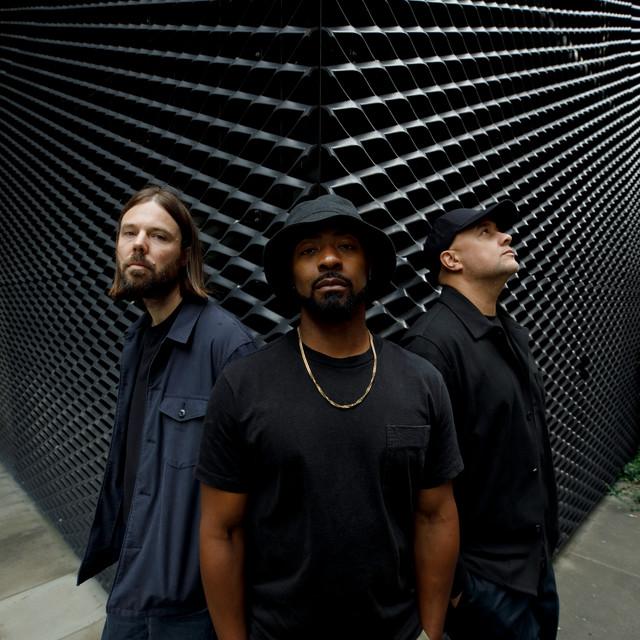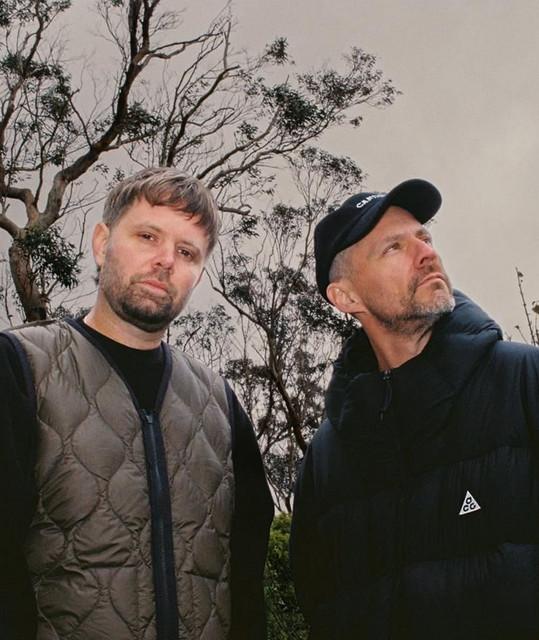
Baauer

Electronic
Trap/Future Bass
Dubstep
 Viberate Rank: 11419
 Viberate Rank: 11419
 Monthly ListenersFollowers
 Subscribers
 Followers
 Followers
 FansTop Spotify Songs
| Track | 7-Day Streams | |
|---|---|---|
1 | 118.51K | |
2 | 79.47K | |
3 | 50.57K | |
4 | 47.92K | |
5 | 44.18K |
Top YouTube Videos| Video | 7-Day Views | |
|---|---|---|
1 | 33.36K | |
2 | 17.66K | |
3 | 4.46K | |
4 | 3.40K | |
5 | 2.84K |
Monthly ListenersFeatured in Playlists| Playlist | Followers | |
|---|---|---|
1 |  Happy Beats Spotify | 2.64M |
2 |  Heart Beats Spotify | 1.25M |
3 |  Just Try to Forget These Songs Spotify | 913.78K |
4 |  DISCOLAND Spotify | 348.44K |
5 |  Weird songs that go hard bryagre20 | 261.96K |
Audience| City | Monthly Listeners | |
|---|---|---|
1 |  | 17.05K |
2 |  | 15.03K |
3 | | 14.76K |
4 | | 13.16K |
5 | | 10.67K |
See full performance history, audience data, playlist activity, rankings, comparisons, and more in Viberate music analytics. Start with a free trial, then continue with a paid plan.
Baauer’s Spotify BioBrooklyn-based producer Baauer broke into the mainstream when his viral sensation "Harlem Shake" debuted atop the Billboard charts, changing chart rules forever. As of publication, Baauer holds the biggest single week streams of any artist. It is only Drake and Baauer who have topped 100,000,000 streams in a week. In the years following his hit Baauer headlined festivals, travelled the world recording with some of the biggest names in global pop and rap.
An aspiring bedroom producer since age 13, Harry Rodrigues took the name Baauer to brand his tracks, which combined hip-hop, UK dance music, and clever samples from video-sharing sites. He debuted in early 2012 when his bass-heavy party track "Dum Dum" was released by LuckyMe on a laser-etched 12". The Mad Decent label then released "Harlem Shake". At first, the track made waves among tastemakers: appearing in mixes by Rustie & Jackmaster and awarded Pitchfork's "Best New Track"; but in early 2013 it exploded into the mainstream thanks… to a meme where individuals uploaded amateur videos dancing to the song. "Harlem Shake" debuted at number one and earned Dance Song of the Year and EDM Song of the Year at the Billboard Awards. Baauer released the "ß" EP ft AlunaGeorge & Rae Sremmurd in 2014. And debut album "Aa" ft Future, Pusha T, M.I.A., Rustie, and Novelist in 2016 - with an award winning video by Hiro Murai (Atlanta). Since then Baauer has focused on standalone singles while recording his anticipated 2nd album.
Viberate is a music analytics platform built for A&Rs, artist managers, labels, booking agents, marketers, and artists.
It helps music professionals track artist growth, analyze audience data, monitor playlist activity, compare artists, follow song performance, and identify opportunities across the music market.
Public artist pages provide a free preview of selected artist data. Paid plans provide access to deeper analytics, historical data, charts, comparisons, playlist tools, exports, alerts, reports, and additional professional features.
Yes. Public Viberate artist pages provide selected artist analytics and music data for free.
Viberate also offers a 7-day free trial of the full platform. A credit card is required to start the trial. The trial includes access to the complete product so users can test deeper artist analytics, historical views, playlist insights, comparisons, charts, exports, alerts, and reporting features before choosing a paid plan.
Viberate provides artist analytics across streaming, playlists, social media, video, radio airplay, songs, and audience markets.
Users can analyze Spotify performance, Spotify and Apple Music playlists, YouTube activity, TikTok and Instagram growth, radio spins, song performance, audience locations, demographics, rankings, and overall artist momentum.
Artist profiles also connect to music charts, similar artists, and comparison tools, helping users benchmark performance and evaluate artists in context.
Viberate updates key artist and track data daily.
For followed artists and tracks, selected data is refreshed multiple times per day. This helps teams monitor playlist changes, streaming movement, audience growth, releases, and campaign performance with more current data.
Update frequency can vary depending on the metric and data source.
Yes. Viberate lets users compare up to five artists side by side across streaming, social media, audience, and engagement metrics.
Users can compare fanbase growth, audience demographics, locations, Spotify performance, social metrics, and other artist data over selected time periods.
Artist comparison can be used for A&R scouting, benchmarking, booking decisions, campaign planning, and evaluating artists with similar audiences or market positions.