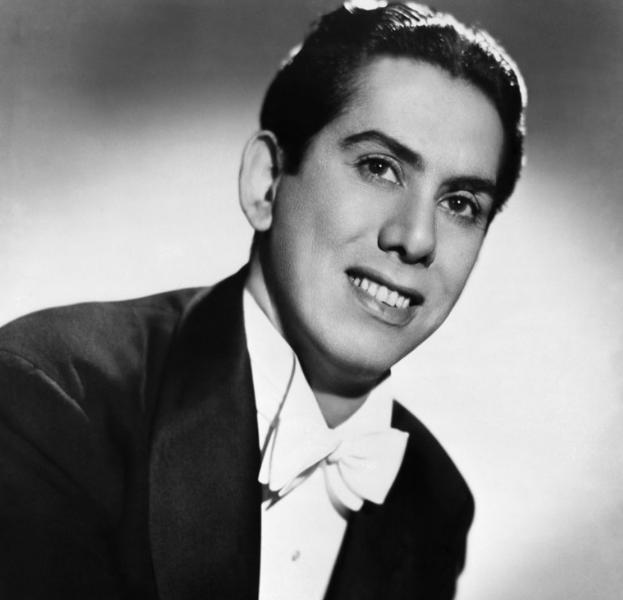
Carmen Cavallaro

Jazz
Big band Jazz
Swing
Classical Crossover
 Viberate Rank: 102070
 Viberate Rank: 102070
 Monthly ListenersFollowers
 Subscribers
 Followers
 Followers
 FansTop Spotify SongsTop YouTube VideosMonthly ListenersFeatured in Playlists
| Playlist | Followers | |
|---|---|---|
1 |  As Músicas Clássicas mais Conhecidas cris.flessak | 104.86K |
2 |  SWING BIG BAND polca don'ts | 87.90K |
3 |  Mozart in the Jungle Ezgi Varol | 31.87K |
4 |  WOODY ALLEN: movie soundtrack OST Paul Dahill | 30.07K |
5 |  1940s Hits (Billboard #1 Singles) aviakinard | 24.13K |
Audience| City | Monthly Listeners | |
|---|---|---|
1 |  | 3.28K |
2 |  | 1.33K |
3 |  | 1.10K |
4 | | 752 |
5 | | 606 |
See full performance history, audience data, playlist activity, rankings, comparisons, and more in Viberate music analytics. Start with a free trial, then continue with a paid plan.
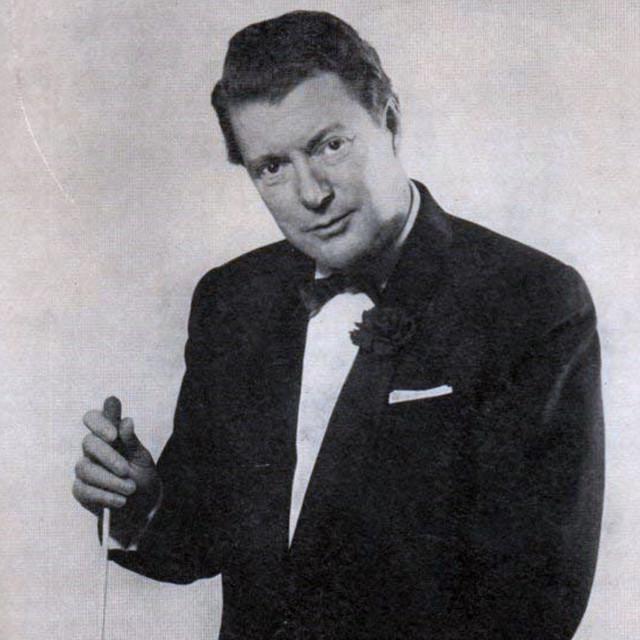
Carmen Cavallaro’s Spotify Bio"The Poet of the Piano," Carmen Cavallaro was born May 6, 1913 in New York City; though a classically-trained performer, in time he expanded into pop arrangements in the mode of his chief inspiration, Eddy Duchin. After a four-year stint as the featured soloist with bandleader Al Kavelin, in 1937 Cavallaro moved on to a series of other society big bands, including those helmed by Abe Lyman, Enric Madriguera, and Meyer Davis; in the early 1940s, he began leading his own groups, making his name on the hotel circuit and on radio. Settling in Hollywood in 1944, he appeared in films including Hollywood Canteen, Out of This World and The Time, the Place and the Girl, and in 1945 also scored a hit with "Chopin's Polonaise"; after the war, he additionally hosted a radio program for NBC, The Sheaffer Parade. Signing to Decca, Cavallaro recorded a series of best-selling 78s including Cavallaro Plays Ellington, Music at Midnight and For Latin Lovers, and in 1956 he ghosted Tyrone Power's piano… playing in the big-screen biopic The Eddy Duchin Story. He died in 1989. ~ Jason Ankeny, Rovi
Viberate is a music analytics platform built for A&Rs, artist managers, labels, booking agents, marketers, and artists.
It helps music professionals track artist growth, analyze audience data, monitor playlist activity, compare artists, follow song performance, and identify opportunities across the music market.
Public artist pages provide a free preview of selected artist data. Paid plans provide access to deeper analytics, historical data, charts, comparisons, playlist tools, exports, alerts, reports, and additional professional features.
Yes. Public Viberate artist pages provide selected artist analytics and music data for free.
Viberate also offers a 7-day free trial of the full platform. A credit card is required to start the trial. The trial includes access to the complete product so users can test deeper artist analytics, historical views, playlist insights, comparisons, charts, exports, alerts, and reporting features before choosing a paid plan.
Viberate provides artist analytics across streaming, playlists, social media, video, radio airplay, songs, and audience markets.
Users can analyze Spotify performance, Spotify and Apple Music playlists, YouTube activity, TikTok and Instagram growth, radio spins, song performance, audience locations, demographics, rankings, and overall artist momentum.
Artist profiles also connect to music charts, similar artists, and comparison tools, helping users benchmark performance and evaluate artists in context.
Viberate updates key artist and track data daily.
For followed artists and tracks, selected data is refreshed multiple times per day. This helps teams monitor playlist changes, streaming movement, audience growth, releases, and campaign performance with more current data.
Update frequency can vary depending on the metric and data source.
Yes. Viberate lets users compare up to five artists side by side across streaming, social media, audience, and engagement metrics.
Users can compare fanbase growth, audience demographics, locations, Spotify performance, social metrics, and other artist data over selected time periods.
Artist comparison can be used for A&R scouting, benchmarking, booking decisions, campaign planning, and evaluating artists with similar audiences or market positions.