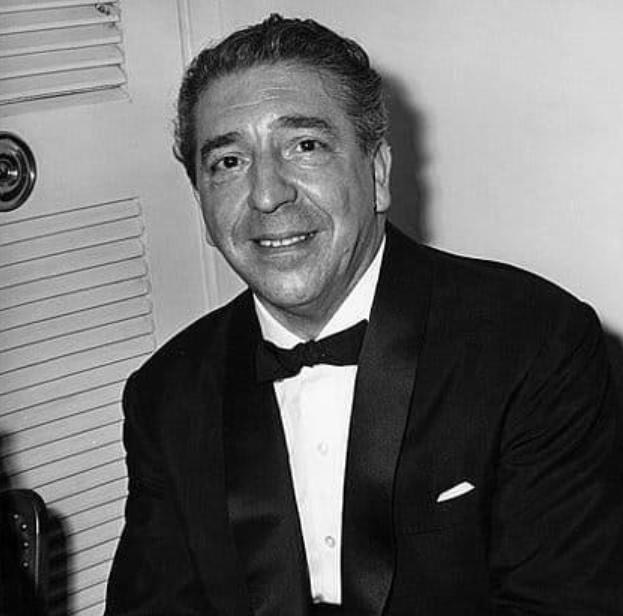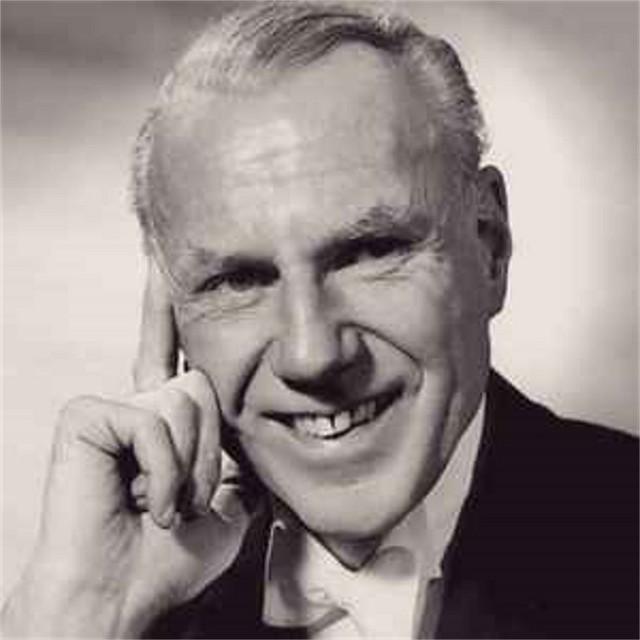
Victor Silvester

Jazz
Big band Jazz
Orchestral
 Viberate Rank: 182864
 Viberate Rank: 182864
 Monthly ListenersFollowers
 Subscribers
 Followers
 Followers
 FansTop Spotify Songs
| Track | 7-Day Streams | |
|---|---|---|
1 | 6.89K | |
2 | 4.95K | |
3 | 4.60K | |
4 | 2.79K | |
5 | 2.71K |
Top YouTube VideosMonthly ListenersFeatured in Playlists| Playlist | Followers | |
|---|---|---|
1 |  Essential Classics Essential Classics | 31.39K |
2 | 1940's big bands 126553583 | 8.89K |
3 |  it's just a burning memory çağlar | 8.09K |
4 |  GSA'yla Karantina Keyfs Gaye Su Akyol | 7.20K |
5 |  Cozy & Whimsical (Instrumentals) hymnz | 6.51K |
Audience| City | Monthly Listeners | |
|---|---|---|
1 |  | 1.29K |
2 |  | 803 |
3 |  | 485 |
4 |  | 447 |
5 |  | 402 |
See full performance history, audience data, playlist activity, rankings, comparisons, and more in Viberate music analytics. Start with a free trial, then continue with a paid plan.
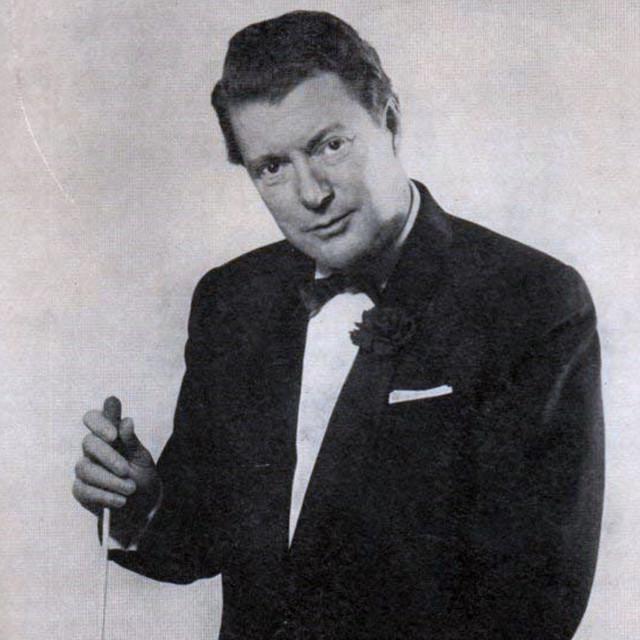
Victor Silvester’s Spotify Bio"The basic essentials of true dance music are melody, simplicity, and consistent rhythm. Join these three entities together and you have music that is nice to dance to and pleasing to listen to," observed Victor Silvester -- he did precisely that and sold 75 million records over a recording career lasting 50 years. Today he is but a fading memory on a musical landscape that he scarcely would have recognized, but for 50 years, from the '30s through the early '80s, Victor Silvester was England's top dance-band leader -- and from the '30s through the '60s, that designation meant musical stardom. The second son of a vicar in North London, Silvester played the piano as a boy and studied music at Trinity College of music and the London College of Music. For reasons best known to himself, he interrupted his musical studies to enlist in the army in 1915, when he was just 15 years old, and was sent to the front, where he saw action -- including service on a firing squad executing deserters.… Discharged when his true age was discovered, he waited until he was 17 and re-enlisted legally to return to combat. After World War I, he considered a permanent career in the army, but his interests turned instead to dancing. He won the World Dancing Championship in 1922, in partnership with Phyllis Clarke, and later opened his dancing academy in London, which eventually became a chain of dance studios. By the early '30s, he was the most renowned dance teacher in England, with a clientele that included the top celebrities of the day, and a reputation that quickly spread throughout the British Empire and the rest of Europe, and as far away as Japan. It was the lack of what he felt were proper dance records that drove Silvester into a recording career. Forming his own orchestra, he recorded "You're Dancing on My Heart" (written by Al Bryan and George M. Meyer) in 1935, which became his signature tune. It was the beginning of a career that would last a half-century and vault the era of swing, trad jazz, skiffle, rock & roll, British beat, psychedelia, disco, and power pop. By the end of the '30s, he was not only selling huge numbers of records in England, but also in Australia, continental Europe, South Africa, and India.
By 1937, Silvester had his own dance music program on the BBC, for which he eventually made 6,500 broadcasts -- he was among the first music artists to appear on television as well, on the BBC's pre-World War II experimental television broadcasts. During the late '30s, he also wrote a book, Modern Ballroom Dancing, which ultimately went to 50 printings and sales of over a million copies, and translations into German and Japanese, among a dozen other languages. For most of his career, Silvester specialized in strict-tempo ballroom dancing. During World War II, however, he recognized that he had a special audience among his listeners, in the form of burgeoning numbers of American servicemen stationed in England. He began aiming his program and his records specifically at them, releasing a large body of swing-oriented dance recordings.
After the war, he returned to the traditional ballroom dance music that he preferred. Silvester wrote some 90 dance tunes in collaboration with his pianist, Ernest Wilson, but was well-known for his interpretations of the work of Richard Rodgers and Lorenz Hart, and had a marked preference for the musical standards of the 1930s, which he kept recording well into the 1970s and beyond. Apart from his one concession to swing music in the early '40s, as a sort of wartime sacrifice, he was oblivious to most of the changes in music that took place around him as the decades wore on, never even acknowledging rock & roll; such was the musical environment of the times, that he was one of EMI's prized artistic possessions during the 1950s. Silvester was awarded the Order of the British Empire, a royal honor, in 1961, and continued making records for another 15 years, finally embracing '60s and '70s melodies on albums such as Up Up and Away. He recorded so many hundreds of albums, that they became impossible even for the bandleader to keep track of, and EMI later issued his work on CD in the 1980s and 1990s, most recently Victor Silvester and His Silver Strings. As Silvester grew older, his son Victor Silvester Jr. frequently deputized for him leading the orchestra, and upon the older Silvester's death during a vacation in France in 1978, his son took over the orchestra. ~ Bruce Eder, Rovi
Viberate is a music analytics platform built for A&Rs, artist managers, labels, booking agents, marketers, and artists.
It helps music professionals track artist growth, analyze audience data, monitor playlist activity, compare artists, follow song performance, and identify opportunities across the music market.
Public artist pages provide a free preview of selected artist data. Paid plans provide access to deeper analytics, historical data, charts, comparisons, playlist tools, exports, alerts, reports, and additional professional features.
Yes. Public Viberate artist pages provide selected artist analytics and music data for free.
Viberate also offers a 7-day free trial of the full platform. A credit card is required to start the trial. The trial includes access to the complete product so users can test deeper artist analytics, historical views, playlist insights, comparisons, charts, exports, alerts, and reporting features before choosing a paid plan.
Viberate provides artist analytics across streaming, playlists, social media, video, radio airplay, songs, and audience markets.
Users can analyze Spotify performance, Spotify and Apple Music playlists, YouTube activity, TikTok and Instagram growth, radio spins, song performance, audience locations, demographics, rankings, and overall artist momentum.
Artist profiles also connect to music charts, similar artists, and comparison tools, helping users benchmark performance and evaluate artists in context.
Viberate updates key artist and track data daily.
For followed artists and tracks, selected data is refreshed multiple times per day. This helps teams monitor playlist changes, streaming movement, audience growth, releases, and campaign performance with more current data.
Update frequency can vary depending on the metric and data source.
Yes. Viberate lets users compare up to five artists side by side across streaming, social media, audience, and engagement metrics.
Users can compare fanbase growth, audience demographics, locations, Spotify performance, social metrics, and other artist data over selected time periods.
Artist comparison can be used for A&R scouting, benchmarking, booking decisions, campaign planning, and evaluating artists with similar audiences or market positions.