Carl Carlton

R&B
Soul
Funk
 Viberate Rank: 26041
 Viberate Rank: 26041
 Monthly ListenersFollowers
 Subscribers
 Followers
 Followers
 FansTop Spotify Songs
| Track | 7-Day Streams | |
|---|---|---|
1 | 676.66K | |
2 | 328.66K | |
3 | 140.33K | |
4 | 15.08K | |
5 | 13.14K |
Top YouTube VideosMonthly ListenersFeatured in Playlists| Playlist | Followers | |
|---|---|---|
1 |  Classic Oldies Spotify | 1.46M |
2 |  Kitchen Swagger Spotify | 1.14M |
3 |  ’80s Jam Session Spotify | 876.60K |
4 |  Old Songs Everyone Knows Ben Lillie | 566.15K |
5 |  Soulful Disco Spotify | 552.93K |
Audience| City | Monthly Listeners | |
|---|---|---|
1 |  | 45.14K |
2 | | 31.90K |
3 |  | 31.54K |
4 | | 27.36K |
5 | | 26.61K |
See full performance history, audience data, playlist activity, rankings, comparisons, and more in Viberate music analytics. Start with a free trial, then continue with a paid plan.
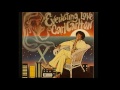
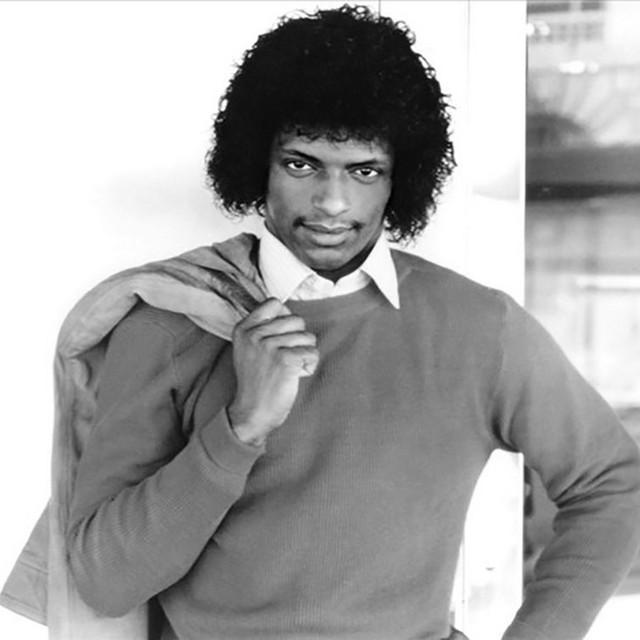
Carl Carlton’s Spotify BioCarlton was born in Detroit, Michigan, and began his career in the mid-1960s as "Little Carl" Carlton. It was a marketing ploy to capitalize on some vocal similarities to Stevie Wonder, who recorded under the name "Little Stevie Wonder" in the early 1960s. His first recordings were for Lando Records, for which he recorded some minor local hits, including "So What" and "Don't You Need a Boy Like Me".
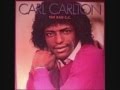
A Haywood-penned single, "She's a Bad Mama Jama (She's Built, She's Stacked)", became a major hit, peaking at number on the soul chart and earning Carlton a Grammy Award nomination for Best R&B Vocal Performance, Male in 1982. The track peaked at number 34 in the UK Singles Chart. Carlton's subsequent album, Carl Carlton, went gold in 1981. "She's a Bad Mama Jama" has since become a staple of compilation albums and soundtracks and is often sampled in rap music.
Carlton released several more albums in the 1980s but had only a few minor R&B hits. After 1985's Private Property, he did not… release another album until 1994's Main Event, which also failed to chart.
In late 2002, Carlton appeared with many R&B stars on the "Rhythm, Love, and Soul" edition of the PBS series American Soundtrack. His performance of "Everlasting Love" was included on the accompanying live album that was released in 2004.
Another great songs from this artist are "Baby I Need Your Loving" and "Fooled Myself Again".
Viberate is a music analytics platform built for A&Rs, artist managers, labels, booking agents, marketers, and artists.
It helps music professionals track artist growth, analyze audience data, monitor playlist activity, compare artists, follow song performance, and identify opportunities across the music market.
Public artist pages provide a free preview of selected artist data. Paid plans provide access to deeper analytics, historical data, charts, comparisons, playlist tools, exports, alerts, reports, and additional professional features.
Yes. Public Viberate artist pages provide selected artist analytics and music data for free.
Viberate also offers a 7-day free trial of the full platform. A credit card is required to start the trial. The trial includes access to the complete product so users can test deeper artist analytics, historical views, playlist insights, comparisons, charts, exports, alerts, and reporting features before choosing a paid plan.
Viberate provides artist analytics across streaming, playlists, social media, video, radio airplay, songs, and audience markets.
Users can analyze Spotify performance, Spotify and Apple Music playlists, YouTube activity, TikTok and Instagram growth, radio spins, song performance, audience locations, demographics, rankings, and overall artist momentum.
Artist profiles also connect to music charts, similar artists, and comparison tools, helping users benchmark performance and evaluate artists in context.
Viberate updates key artist and track data daily.
For followed artists and tracks, selected data is refreshed multiple times per day. This helps teams monitor playlist changes, streaming movement, audience growth, releases, and campaign performance with more current data.
Update frequency can vary depending on the metric and data source.
Yes. Viberate lets users compare up to five artists side by side across streaming, social media, audience, and engagement metrics.
Users can compare fanbase growth, audience demographics, locations, Spotify performance, social metrics, and other artist data over selected time periods.
Artist comparison can be used for A&R scouting, benchmarking, booking decisions, campaign planning, and evaluating artists with similar audiences or market positions.