Lúnasa

European
Celtic
 Viberate Rank: 105536
 Viberate Rank: 105536
 Monthly ListenersFollowers
 Subscribers
 Followers
 Followers
 FansTop Spotify Songs
| Track | 7-Day Streams | |
|---|---|---|
1 | 14.17K | |
2 | 4.74K | |
3 | 4.61K | |
4 | 4.02K | |
5 | 3.00K |
Top YouTube VideosMonthly ListenersFeatured in Playlists| Playlist | Followers | |
|---|---|---|
1 |  Celtic Music ☘️ The Gothard Sisters | 105.95K |
2 |  Scottish Folk & Gaelic Singing erinhomie | 63.16K |
3 |  Scottish Highlands Evlin DuBose | 42.07K |
4 |  Celtic Gaelic Folk Music ☘️ Marina in the Shire | 33.42K |
5 |  Instrumental Folk (Celtic, Irish, Nordic) cjshearer | 29.03K |
Audience| City | Monthly Listeners | |
|---|---|---|
1 | | 1.76K |
2 |  | 1.53K |
3 | | 902 |
4 |  | 745 |
5 |  | 702 |
See full performance history, audience data, playlist activity, rankings, comparisons, and more in Viberate music analytics. Start with a free trial, then continue with a paid plan.
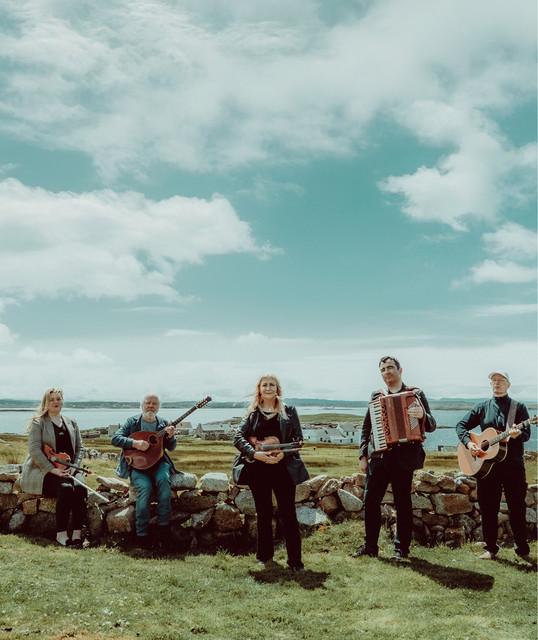
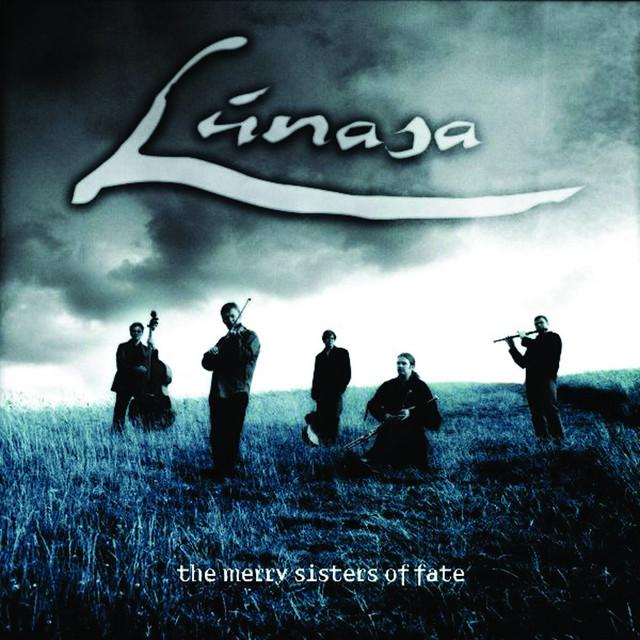
Lúnasa’s Spotify BioThe seeds of one of the most highly rated contemporary Irish bands were sown in 1996, when former Waterboy and Sharon Shannon bassist Trevor Hutchinson teamed up with guitarist Donogh Hennessy for a Scandinavian tour. From such tiny acorn beginnings have grown mighty oaks. Back home in Dublin, they drafted uillean piper John McSherry and flutist/piper Michael McGoldrick to record some shows, then hit the jackpot when they landed Kevin Crawford, also a member of Moving Cloud, whose flute and whistle work took them to another level, alongside the whistles and fiddles of Sean Smyth (a qualified doctor who'd achieved musical prominence with his 1993 solo album Blue Fiddle). Their 1997 debut, Lúnasa, leapfrogged them ahead of the competition, and not only became a best-seller in Ireland, but was named one of the albums of the year by the prestigious Irish Echo -- not a bad beginning. By then, Lúnasa was on the road, touring Europe, America, and beyond, and winning plenty of friends with… their spirited performances, where they might have taken the music seriously, but had no problem making fun of themselves. McGoldrick had moved on and McSherry had decided not to tour (his replacement for live dates was Cillian Vallely). It was in 1999 that the band really achieved their breakthrough in Celtic circles with Otherworld, recorded for Green Linnet. With a bigger budget, they were able to achieve greater production values, which went a long way to capturing the power of their live performances, with "The Butlers of Glen Avenue/Sliabh Russell/Cathal McConnell's" being a true standout. McGoldrick made a guest appearance, and there was even that traditional Irish instrument, the flügelhorn, in there somewhere. Pushing the envelope on the music, they weren't content to simply play the tunes, but added real live grooves to the music and took it into other areas. This helped bring in plenty more friends when they toured through much of 2000, hitting even more parts of the globe and acquiring an even more glittering reputation. In June 2001 they released their third album, The Merry Sisters of Fate, again mostly comprised of traditional music. 2004 saw the release of The Kinnitty Sessions, an 11-song set recorded live at Kinnitty Castle, Co. Offaly, in Ireland. ~ Chris Nickson, Rovi
Viberate is a music analytics platform built for A&Rs, artist managers, labels, booking agents, marketers, and artists.
It helps music professionals track artist growth, analyze audience data, monitor playlist activity, compare artists, follow song performance, and identify opportunities across the music market.
Public artist pages provide a free preview of selected artist data. Paid plans provide access to deeper analytics, historical data, charts, comparisons, playlist tools, exports, alerts, reports, and additional professional features.
Yes. Public Viberate artist pages provide selected artist analytics and music data for free.
Viberate also offers a 7-day free trial of the full platform. A credit card is required to start the trial. The trial includes access to the complete product so users can test deeper artist analytics, historical views, playlist insights, comparisons, charts, exports, alerts, and reporting features before choosing a paid plan.
Viberate provides artist analytics across streaming, playlists, social media, video, radio airplay, songs, and audience markets.
Users can analyze Spotify performance, Spotify and Apple Music playlists, YouTube activity, TikTok and Instagram growth, radio spins, song performance, audience locations, demographics, rankings, and overall artist momentum.
Artist profiles also connect to music charts, similar artists, and comparison tools, helping users benchmark performance and evaluate artists in context.
Viberate updates key artist and track data daily.
For followed artists and tracks, selected data is refreshed multiple times per day. This helps teams monitor playlist changes, streaming movement, audience growth, releases, and campaign performance with more current data.
Update frequency can vary depending on the metric and data source.
Yes. Viberate lets users compare up to five artists side by side across streaming, social media, audience, and engagement metrics.
Users can compare fanbase growth, audience demographics, locations, Spotify performance, social metrics, and other artist data over selected time periods.
Artist comparison can be used for A&R scouting, benchmarking, booking decisions, campaign planning, and evaluating artists with similar audiences or market positions.