Camper Van Beethoven

Rock
Indie Rock
Psychedelic Rock
Punk Rock
 Viberate Rank: 87089
 Viberate Rank: 87089
 Monthly ListenersFollowers
 Subscribers
 Followers
 Followers
 FansTop Spotify Songs
| Track | 7-Day Streams | |
|---|---|---|
1 | 11.29K | |
2 | 11.08K | |
3 | 3.86K | |
4 | 2.91K | |
5 | 2.34K |
Top YouTube VideosMonthly ListenersFeatured in Playlists| Playlist | Followers | |
|---|---|---|
1 |  bruv date Spotify | 170.56K |
2 |  Social Distancing Distortion Matt Berninger | 35.86K |
3 |  The Bear Soundtrack SketchTurner94 | 24.16K |
4 | Emotional Outburst Drew Tica | 24.13K |
5 | KEXP's Top 500 Songs of ALL TIME Shared Threads | 22.64K |
Audience| City | Monthly Listeners | |
|---|---|---|
1 | | 1.74K |
2 | | 1.29K |
3 | | 1.12K |
4 |  | 1.04K |
5 | | 1.01K |
See full performance history, audience data, playlist activity, rankings, comparisons, and more in Viberate music analytics. Start with a free trial, then continue with a paid plan.
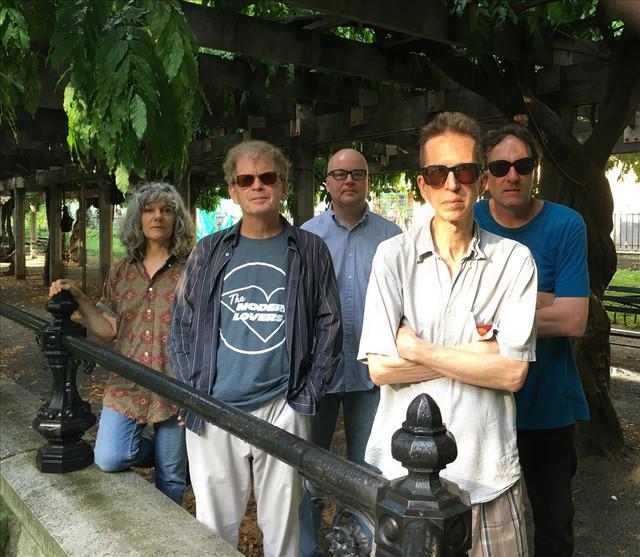
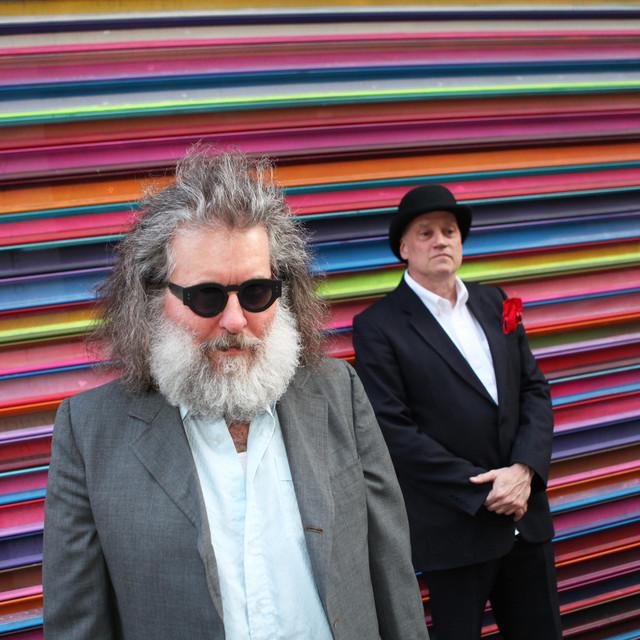
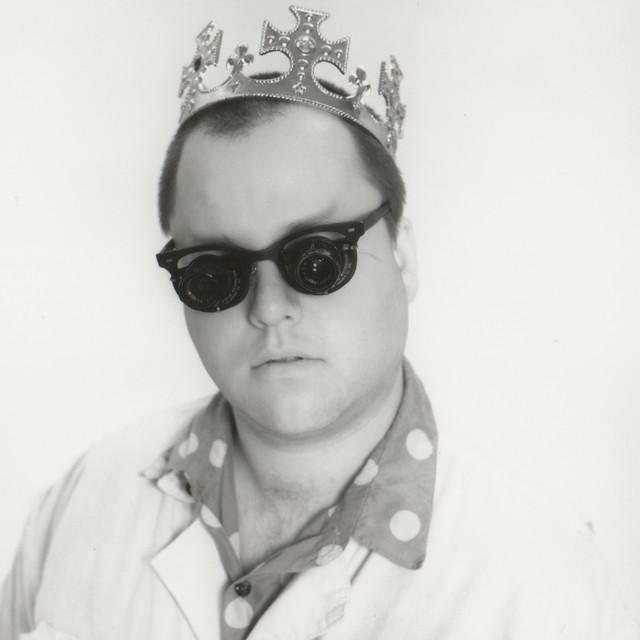
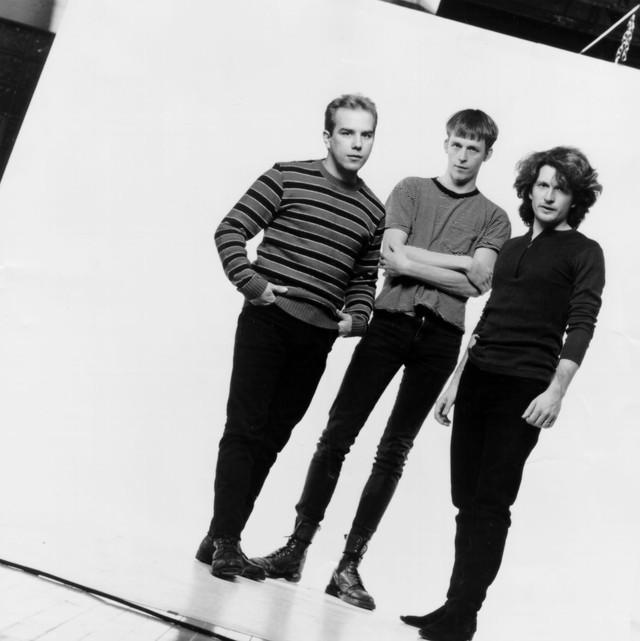
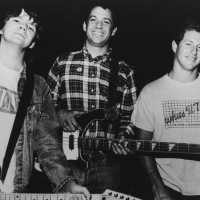
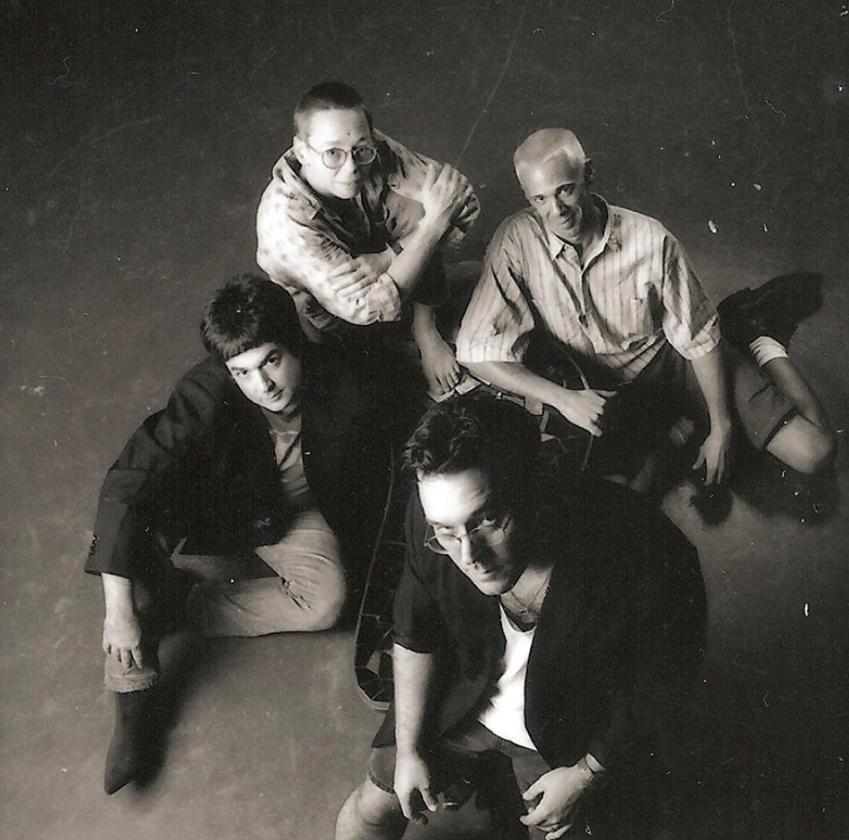
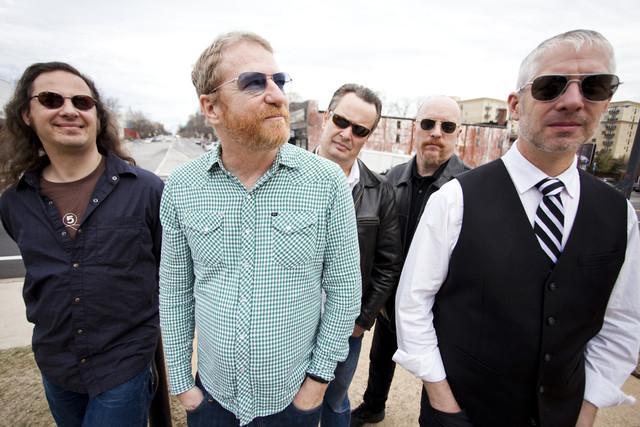
Camper Van Beethoven’s Spotify BioBack in the day, before alternative rock was invented and indie rock was still shy of roots music and other folk elements, Camper Van Beethoven's merging of punk, folk, ska, and world music was truly a revelation. Singer/songwriter David Lowery's smart-aleck lyrics, delivered in laid-back California style, combined with Jonathan Segel's violin as lead instrument, were the band's instant trademarks. Decades after their inception, CVB's sound is still remarkably fresh and their influence on alternative music undeniable and resounding.
Self-described as "surrealist absurdist folk," the group had its beginnings in the summer of 1983 when Lowery and boyhood friend Victor Krummenacher (bass) started playing music together around Riverside and Redlands, California. Upon relocating to the Northern California college town of Santa Cruz, they enlisted friends Chris Pedersen (drums) and Chris Molla (guitar) to join the fold; Greg Lisher (guitar) and Jonathan Segel (violins, keyboards, mandolin)… were added in 1985, and collectively they created a repertoire built on acoustic and electric, traditional and punky aesthetics. The band released their 1985 debut, Telephone Free Landslide Victory, on their own Pitch-A-Tent label; it was soon reissued by Independent Project Records, and thanks in part to the college radio success of the song "Take the Skinheads Bowling," it made the Top Ten in the 1986 Village Voice Pazz and Jop Poll, as did their second album, the confusingly titled II & III, along with their self-titled third album, both released in 1986. In addition to punk and ska, II & III dabbled in lo-fi sounds, with touches of country (as in the original "Sad Lovers Waltz" and the twangy cover of Sonic Youth's "I Love Her All the Time"). The band's forte was its ability to switch styles, from Balkan folk to psychedelic rock on alternate takes and sometimes even within the same song.
The third album, Camper Van Beethoven, continued the thread, as blueprint CVB tracks like "Joe Stalin's Cadillac" and "Good Guys and Bad Guys" fused punk-inspired looseness with more sophisticated melody and rhythm patterns. At the same time, they were blowing minds and ears with their prog rock leanings (check their nearly note-perfect version of Pink Floyd's "Interstellar Overdrive"). By the time of their Virgin Records debut (coinciding with the label's U.S. relaunch in 1988), the band took a more serious tack for its fourth album, Our Beloved Revolutionary Sweetheart. With Molla gone by then, the group was officially a five-piece, though a cadre of friends assisted them at recording sessions, including producer Dennis Herring (eventually, touring guitarist David Immerglück, later of Counting Crows, became an honorary sixth member). Stretching out in larger studio facilities and experimenting with sound, Sweetheart was the first CVB release met with mixed critical response. Following the elegiac Key Lime Pie and amid creative and personal strife, the band (then featuring female fiddler Morgan Fichter in place of Segel) called it a night in 1989.
In the '90s, Krummenacher, Pedersen, and Lisher (with Immerglück) continued to play together in Monks of Doom, a mostly instrumental prog rock concern, as well as in other formations that sometimes included Segel. Segel released three albums as Hieronymous Firebrain from 1990-1994, and two with Jack & Jill for the Magnetic label. In 2005 he collaborated with Dina Emerson in Chaos Butterfly. Krummenacher has released six solo albums and has collaborated with Eugene Chadbourne, Bruce Kaphan, and members of Tarnation, among others, also released through Magnetic. Lisher has two self-released solo albums to his credit. In the wake of the band's dissolution, Lowery formed Cracker, by far the most successful of the post-Camper ventures; it served as a vehicle to keep him on the road as well as a way to keep Camper's name in circulation, though he kept a distance from his bandmates and left California for Richmond, Virginia.
By 1999, Krummenacher, Segel, and Lowery were reunited while compiling an unorthodox rarities collection, Camper Van Beethoven Is Dead: Long Live Camper Van Beethoven, a mash-up of rare cuts utilizing the band's back catalog. In 2002, they officially issued their song-for-song version of Fleetwood Mac's Tusk, recorded on a lark in 1987. In the process of reissuing and archiving, the original members (sans Pedersen) quietly reunited for a handful of live shows and began work on a new batch of songs. In 2004 they released New Roman Times (a concept album about a Texas teen who joins the military, then leaves the ranks to join an anti-government militia), featuring all-original members including Pedersen on drums and original guitarist Molla sitting in. In 2008 Cooking Vinyl released Popular Songs of Great Enduring Strength and Beauty, a collection of fan favorites, followed by an all-new studio album, a concept album about Northern California titled La Costa Perdida, in 2013. Its sister release, El Camino Real, which focused on Southern California life, appeared a few months later in 2014. CVB continue to tour, often in support of alternative acts that have followed in their groundbreaking indie rock footprints. ~ Denise Sullivan, Rovi
Viberate is a music analytics platform built for A&Rs, artist managers, labels, booking agents, marketers, and artists.
It helps music professionals track artist growth, analyze audience data, monitor playlist activity, compare artists, follow song performance, and identify opportunities across the music market.
Public artist pages provide a free preview of selected artist data. Paid plans provide access to deeper analytics, historical data, charts, comparisons, playlist tools, exports, alerts, reports, and additional professional features.
Yes. Public Viberate artist pages provide selected artist analytics and music data for free.
Viberate also offers a 7-day free trial of the full platform. A credit card is required to start the trial. The trial includes access to the complete product so users can test deeper artist analytics, historical views, playlist insights, comparisons, charts, exports, alerts, and reporting features before choosing a paid plan.
Viberate provides artist analytics across streaming, playlists, social media, video, radio airplay, songs, and audience markets.
Users can analyze Spotify performance, Spotify and Apple Music playlists, YouTube activity, TikTok and Instagram growth, radio spins, song performance, audience locations, demographics, rankings, and overall artist momentum.
Artist profiles also connect to music charts, similar artists, and comparison tools, helping users benchmark performance and evaluate artists in context.
Viberate updates key artist and track data daily.
For followed artists and tracks, selected data is refreshed multiple times per day. This helps teams monitor playlist changes, streaming movement, audience growth, releases, and campaign performance with more current data.
Update frequency can vary depending on the metric and data source.
Yes. Viberate lets users compare up to five artists side by side across streaming, social media, audience, and engagement metrics.
Users can compare fanbase growth, audience demographics, locations, Spotify performance, social metrics, and other artist data over selected time periods.
Artist comparison can be used for A&R scouting, benchmarking, booking decisions, campaign planning, and evaluating artists with similar audiences or market positions.