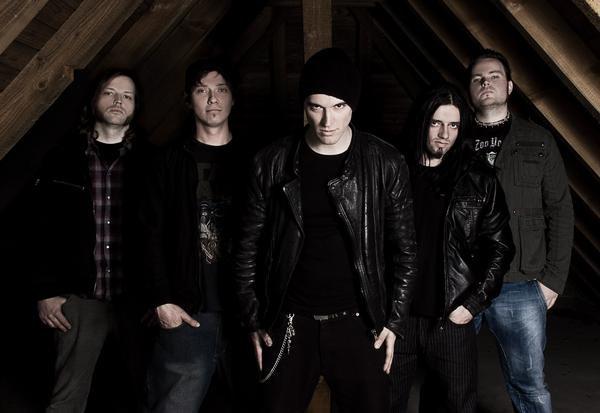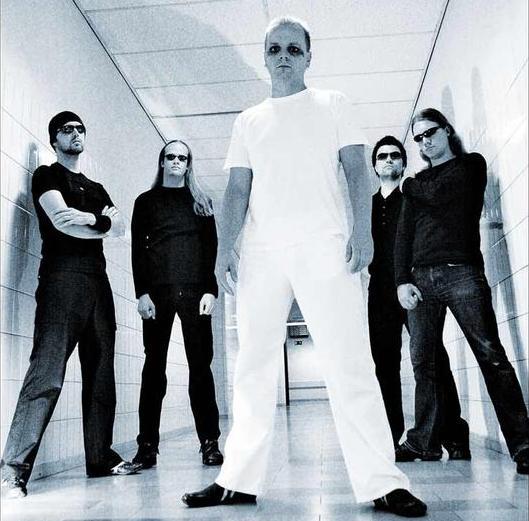
Callenish Circle

Metal
Death Metal
 Viberate Rank: 329233
 Viberate Rank: 329233
 Monthly ListenersFollowers
 Subscribers
 Followers
 Followers
 FansTop Spotify Songs
| Track | 7-Day Streams | |
|---|---|---|
1 | 636 | |
2 | 269 | |
3 | 129 | |
4 | 106 | |
5 | 103 |
Top YouTube VideosMonthly ListenersFeatured in Playlists| Playlist | Followers | |
|---|---|---|
1 | Melodic Death Metal patatkoekje | 17.31K |
2 |  Ultimate Melodic Death Metal Loudwire | 14.71K |
3 | Death Metal Mix 2025 Robin Hassel | 7.44K |
4 |  Aggretsuko Metal Soundtrack The Joshing One | 7.03K |
5 | Stanislav Gusakov | 6.03K |
Audience| City | Monthly Listeners | |
|---|---|---|
1 |  | 35 |
2 |  | 31 |
3 |  | 28 |
4 |  | 27 |
5 |  | 26 |
See full performance history, audience data, playlist activity, rankings, comparisons, and more in Viberate music analytics. Start with a free trial, then continue with a paid plan.
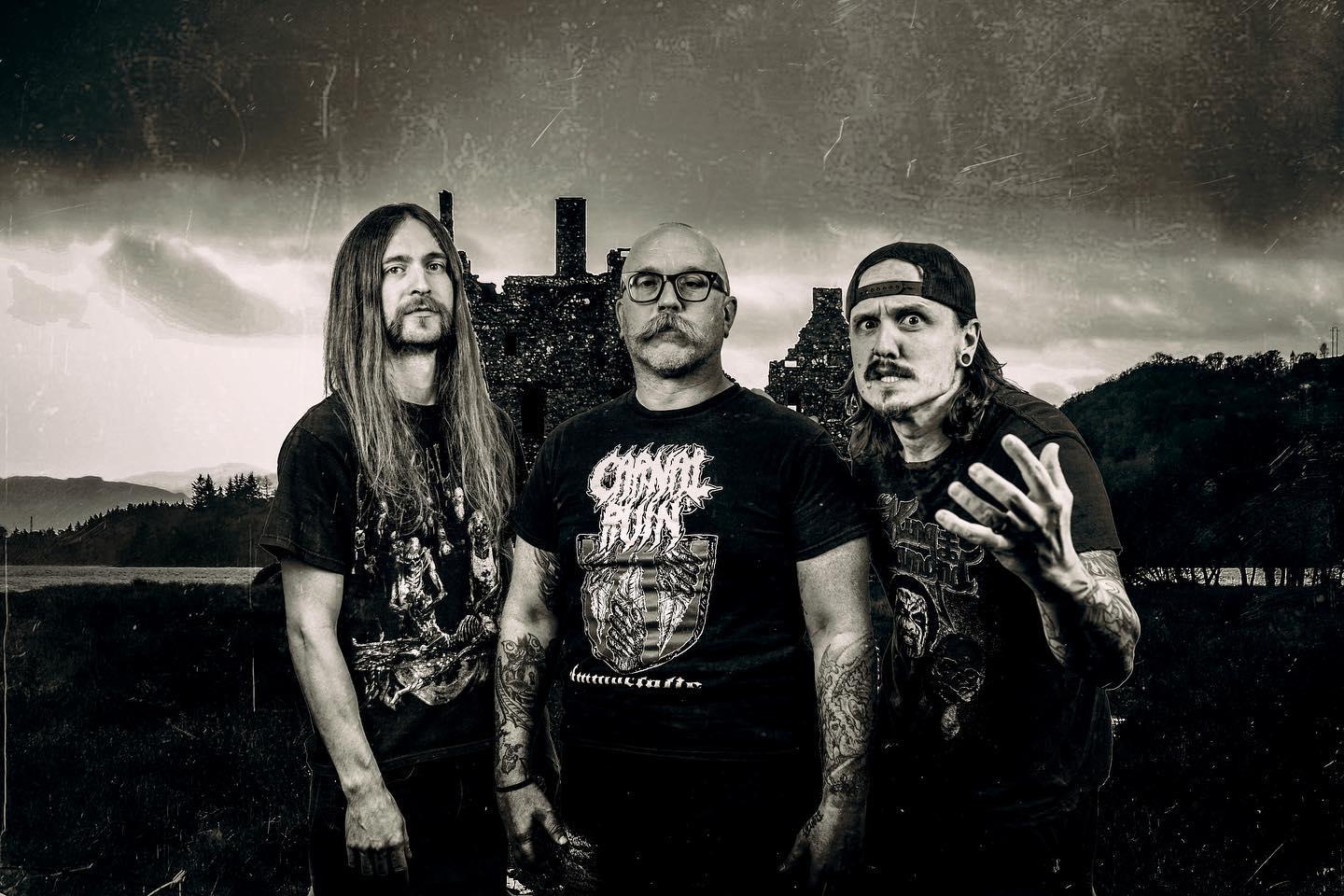
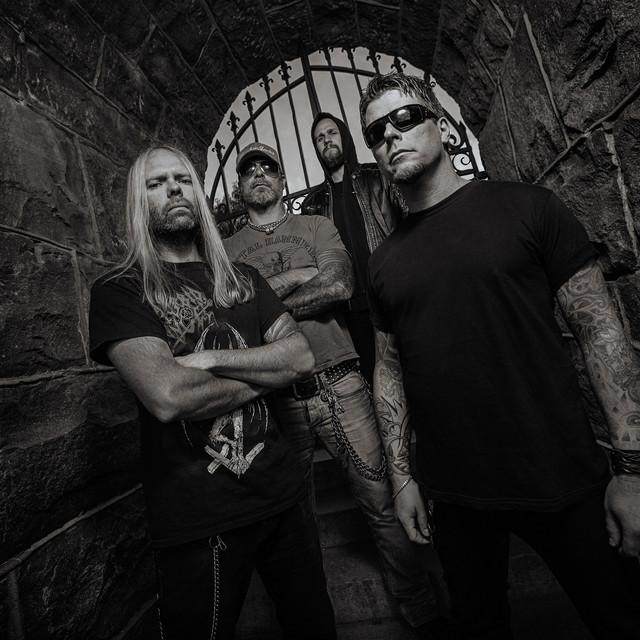
Callenish Circle’s Spotify BioDutch death metal band Callenish Circle rose from the ashes of an earlier band named Genocide circa 1992. Singer Patrick Savelkoul and guitarist Jos Evers worked with countless different lineups before finding stability two years later with the arrival of guitarist Ronny Tijssen, bassist John Gorissen, and drummer Gavin Harte. After fleshing out their sound for another year or so, the quintet recorded 1995's "Lovelorn" demo, which was voted demo of the month by Holland's most respected heavy metal publication, Aardschok, and quickly sold out the 1,000 copies they'd had printed. This surge of interest didn't go unnoticed and Holland's own Hammerheart Records soon offered them a one-album deal, resulting in Callenish Circle's 1996 debut, Drift of Empathy. Although its songs displayed a competently executed melodic death metal sound inspired by the Swedish scene to the north, the album failed to ignite much consumer interest outside their homeland, and both band and label decided it was… in their best interest to part ways.
While they attempted to regroup, Evers and Gorissen were replaced by guitarist Remy Dieteren and bassist Roland Schuschke, respectively, after which the band recorded 1998's Escape EP and released it through tiny Polar Bear Records. Then, in an attempt to gain more control over their career, Callenish Circle decided to self-finance their sophomore full-length, 1999's Graceful...Yet Forbidding, before signing with yet another independent label called DSFA, which promptly went out of business as well. Despite these frustrating business blunders, Callenish Circle's fan base continued to grow steadily, even as their musicianship and songwriting abilities gradually improved with each outing, and they were finally rewarded for their efforts when famed heavy metal powerhouse Metal Blade came calling with a four-album deal in hand. The quintet didn't have to think twice, immediately signed on the dotted line, and then delivered its third album, 2002's remarkably potent and mature Flesh Power Dominion, before hitting the road with labelmates Amon Amarth. Forbidden Empathy, a two-disc collection of material from their pre-Metal Blade days arrived in 2005, followed by their fourth full-length recording, Pitch Black Effects, in January of 2006. ~ Eduardo Rivadavia, Rovi
Viberate is a music analytics platform built for A&Rs, artist managers, labels, booking agents, marketers, and artists.
It helps music professionals track artist growth, analyze audience data, monitor playlist activity, compare artists, follow song performance, and identify opportunities across the music market.
Public artist pages provide a free preview of selected artist data. Paid plans provide access to deeper analytics, historical data, charts, comparisons, playlist tools, exports, alerts, reports, and additional professional features.
Yes. Public Viberate artist pages provide selected artist analytics and music data for free.
Viberate also offers a 7-day free trial of the full platform. A credit card is required to start the trial. The trial includes access to the complete product so users can test deeper artist analytics, historical views, playlist insights, comparisons, charts, exports, alerts, and reporting features before choosing a paid plan.
Viberate provides artist analytics across streaming, playlists, social media, video, radio airplay, songs, and audience markets.
Users can analyze Spotify performance, Spotify and Apple Music playlists, YouTube activity, TikTok and Instagram growth, radio spins, song performance, audience locations, demographics, rankings, and overall artist momentum.
Artist profiles also connect to music charts, similar artists, and comparison tools, helping users benchmark performance and evaluate artists in context.
Viberate updates key artist and track data daily.
For followed artists and tracks, selected data is refreshed multiple times per day. This helps teams monitor playlist changes, streaming movement, audience growth, releases, and campaign performance with more current data.
Update frequency can vary depending on the metric and data source.
Yes. Viberate lets users compare up to five artists side by side across streaming, social media, audience, and engagement metrics.
Users can compare fanbase growth, audience demographics, locations, Spotify performance, social metrics, and other artist data over selected time periods.
Artist comparison can be used for A&R scouting, benchmarking, booking decisions, campaign planning, and evaluating artists with similar audiences or market positions.