Calla

Rock
Indie Rock
Alternative Rock
 Viberate Rank: 224221
 Viberate Rank: 224221
 Monthly ListenersFollowers
 Subscribers
 Followers
 Followers
 FansTop Spotify Songs
| Track | 7-Day Streams | |
|---|---|---|
1 | 755 | |
2 | 715 | |
3 | 376 | |
4 | 346 | |
5 | 268 |
Top YouTube VideosMonthly ListenersFeatured in Playlists| Playlist | Followers | |
|---|---|---|
1 |  Compact Cassette David Dean Burkhart | 60.73K |
2 | OTH Playlist Emilee Brandt | 16.94K |
3 | American Horror Story Soundtrack Nick Marsico-Morea | 16.36K |
4 | Lee Moore | 16.02K |
5 |  The O.C. Complete Series Chronological Playlist Ben Brockman | 11.18K |
Audience| City | Monthly Listeners | |
|---|---|---|
1 |  | 168 |
2 | | 146 |
3 | | 140 |
4 |  | 122 |
5 | | 122 |
See full performance history, audience data, playlist activity, rankings, comparisons, and more in Viberate music analytics. Start with a free trial, then continue with a paid plan.
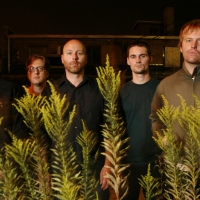
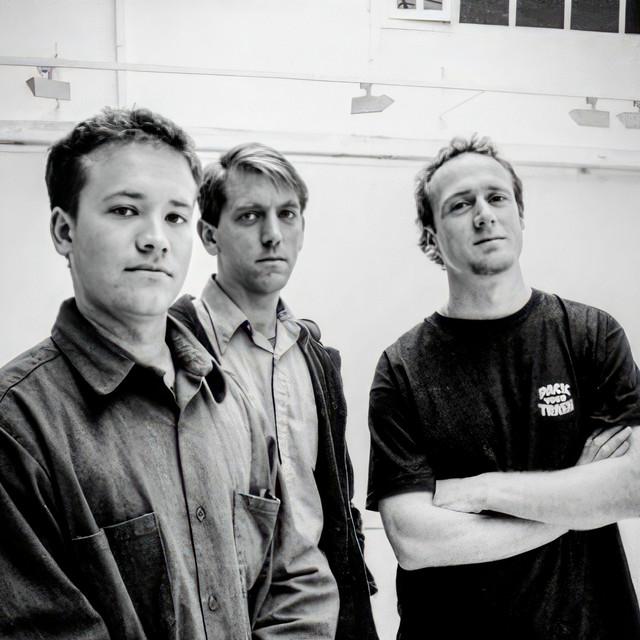
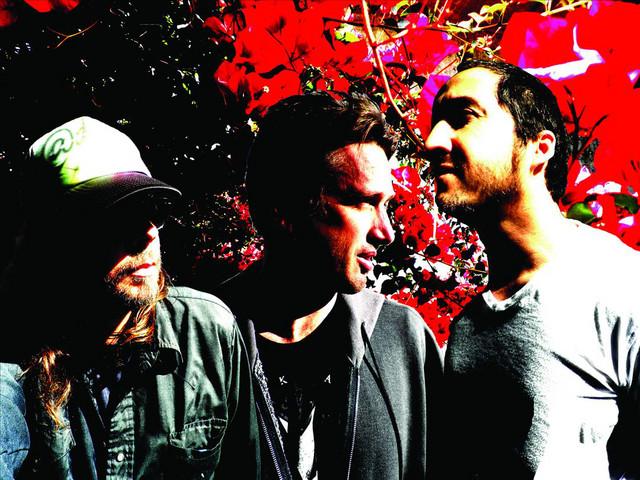
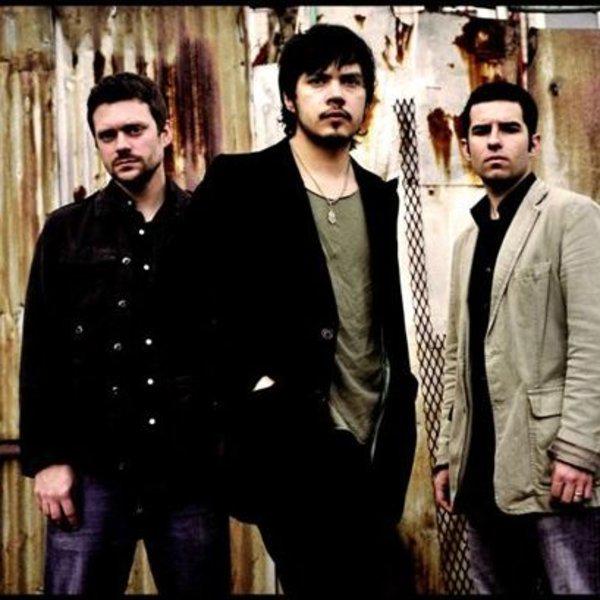
Calla’s Spotify BioCalla was formed in New York City in 1997 by Aurelio Valle (guitar, vocals), Sean Donovan (bass, keyboards, programming), and Wayne B. Magruder (percussion, programming). However, the band's origins can be traced to Texas in 1993, where Valle and Magruder began performing together in the Denton band the Factory Press. The band relocated to New York in 1995, recording The Smoky Ends of a Burnt out Day with producers Kid Congo Powers and Matt Verta-Ray. The group split in 1997 and the album was not released until early 1998, by which time Valle and Magruder were pursuing new musical ventures. Most notably, Magruder worked with Bowery Electric, Main, and Windsor for the Derby.
In 1997, former Factory Press studio collaborator Sean Donovan arrived from Texas and took up residence in Brooklyn with Valle and Magruder. The trio set about writing and recording and Calla was born. Donovan and Magruder -- who had previously worked together as the Fallen Vlods -- shaped Calla's creative process… around sampling and programming, marking a shift away from the approach taken by the Factory Press. A four-track demo was completed in 1998, generating interest from the Brussels label Sub Rosa, which released the band's first album to critical acclaim in 1999. Calla's self-titled debut prized apart traditional song structures and reconfigured the components into subtly apocalyptic, cinematic pieces, at times evoking electronically processed Ennio Morricone soundscapes.
Calla subsequently made the transition to performance, a process that gave Valle, Magruder, and Donovan their first taste of playing together outside a studio environment. Playing live had a significant impact on the band's sound and direction. Having been excited by the debut album, Michael Gira was particularly impressed by the way Calla's music had been changed by live performance, and signed the group to his label, Young God Records. The band's first album on Young God, Scavengers (January 2001), marked a subtle change in orientation. Scavengers was less reliant on studio processing and although it displayed a familiar atmospheric minimalist sensibility, its textures coalesced into more conventional song formats. Understanding the mixture of indie rock and high-concept art that their music represented, Televise (January 2003) solidified their jagged indie pop sound. Collisions followed two years later. Calla went on tour in Europe the following year. Their fifth album, Strength in Numbers, was released in 2007. ~ Wilson Neate, Rovi
Viberate is a music analytics platform built for A&Rs, artist managers, labels, booking agents, marketers, and artists.
It helps music professionals track artist growth, analyze audience data, monitor playlist activity, compare artists, follow song performance, and identify opportunities across the music market.
Public artist pages provide a free preview of selected artist data. Paid plans provide access to deeper analytics, historical data, charts, comparisons, playlist tools, exports, alerts, reports, and additional professional features.
Yes. Public Viberate artist pages provide selected artist analytics and music data for free.
Viberate also offers a 7-day free trial of the full platform. A credit card is required to start the trial. The trial includes access to the complete product so users can test deeper artist analytics, historical views, playlist insights, comparisons, charts, exports, alerts, and reporting features before choosing a paid plan.
Viberate provides artist analytics across streaming, playlists, social media, video, radio airplay, songs, and audience markets.
Users can analyze Spotify performance, Spotify and Apple Music playlists, YouTube activity, TikTok and Instagram growth, radio spins, song performance, audience locations, demographics, rankings, and overall artist momentum.
Artist profiles also connect to music charts, similar artists, and comparison tools, helping users benchmark performance and evaluate artists in context.
Viberate updates key artist and track data daily.
For followed artists and tracks, selected data is refreshed multiple times per day. This helps teams monitor playlist changes, streaming movement, audience growth, releases, and campaign performance with more current data.
Update frequency can vary depending on the metric and data source.
Yes. Viberate lets users compare up to five artists side by side across streaming, social media, audience, and engagement metrics.
Users can compare fanbase growth, audience demographics, locations, Spotify performance, social metrics, and other artist data over selected time periods.
Artist comparison can be used for A&R scouting, benchmarking, booking decisions, campaign planning, and evaluating artists with similar audiences or market positions.