Cajun Dance Party

Rock
Alternative Rock
Indie Rock
 Viberate Rank: 302553
 Viberate Rank: 302553
 Monthly ListenersFollowers
 Subscribers
 Followers
 Followers
 FansTop Spotify Songs
| Track | 7-Day Streams | |
|---|---|---|
1 | 1.60K | |
2 | 816 | |
3 | 406 | |
4 | 233 | |
5 | 175 |
Top YouTube VideosMonthly ListenersFeatured in Playlists| Playlist | Followers | |
|---|---|---|
1 | alexv94 | 15.20K |
2 |  Pluto 🪐 Taylor LaShae | 7.09K |
3 |  Creador 🔥 | Chilling and fire Creador150 | 6.98K |
4 |  The Landfill Indie Top 50 VICE UK | 6.44K |
5 | HAPPY SONGS FOR SAD DAYS by pixelbox el_tejo | 5.30K |
Audience| City | Monthly Listeners | |
|---|---|---|
1 | | 726 |
2 | | 267 |
3 |  | 134 |
4 | | 124 |
5 | | 114 |
See full performance history, audience data, playlist activity, rankings, comparisons, and more in Viberate music analytics. Start with a free trial, then continue with a paid plan.
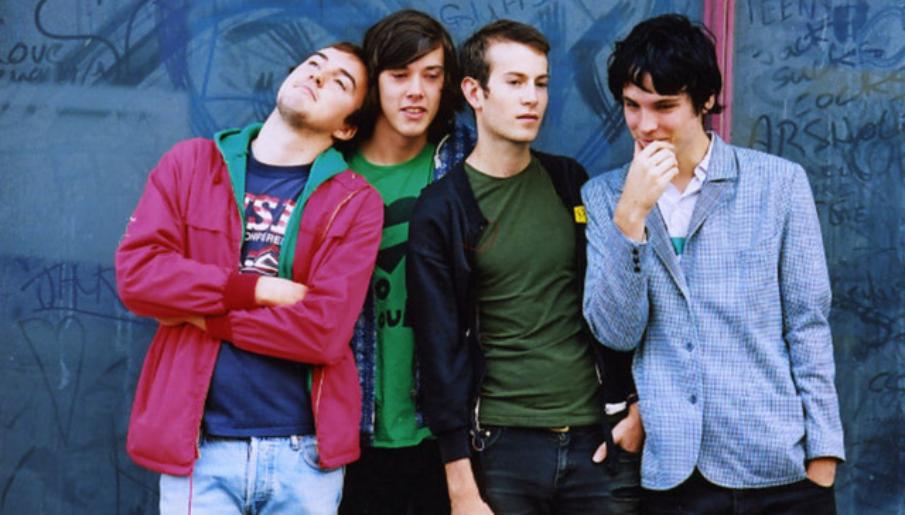
Cajun Dance Party’s Spotify BioCajun Dance Party's precocious indie pop -- smart, inventive, and energetic -- made them one of London's most talked-about new bands in the spring of 2007, no small accomplishment given that the group's members were all under the age of 18 when they released their debut single. Often compared to Belle & Sebastian and the Arcade Fire, Cajun Dance Party were formed in 2006 by guitarist and songwriter Robbie Stern and vocalist Danny Blumberg; while Stern (whose first instrument was classical violin) had never written songs before he formed Cajun Dance Party, he quickly took to songcraft and he and Blumberg filled out the new band with Vicky Freund on keyboards, Max Bloom on bass (who leaned his instrument in a matter of weeks after receiving his invite to join), and Will Vignoles on drums. Too young to play London's more established rock clubs, Cajun Dance Party began making the rounds at the city's all-ages venues, and quickly gained a passionate following among the under-18s. After… making a splash at the all-ages night "Way Out West," Cajun Dance Party had landed professional management after a mere four gigs, and in early 2007 they signed with the powerful British indie label XL on the advice of Radiohead frontman Thom Yorke. The band's debut single, "The Next Untouchable" b/w "Buttercups," was released in April 2007 and earned a wildly enthusiastic response from the British music press. Cajun Dance Party spent the spring and summer of 2007 working on their first album (produced by Bernard Butler of Suede) and playing their pick of the U.K.'s summer music festivals, including the highly appropriate Underage Festival in London's Victoria Park. The Colourful Life was released in April of 2008 in the U.K., and June in the U.S. The band began working on a follow-up almost immediately after the release of its debut album. ~ Mark Deming, Rovi
Viberate is a music analytics platform built for A&Rs, artist managers, labels, booking agents, marketers, and artists.
It helps music professionals track artist growth, analyze audience data, monitor playlist activity, compare artists, follow song performance, and identify opportunities across the music market.
Public artist pages provide a free preview of selected artist data. Paid plans provide access to deeper analytics, historical data, charts, comparisons, playlist tools, exports, alerts, reports, and additional professional features.
Yes. Public Viberate artist pages provide selected artist analytics and music data for free.
Viberate also offers a 7-day free trial of the full platform. A credit card is required to start the trial. The trial includes access to the complete product so users can test deeper artist analytics, historical views, playlist insights, comparisons, charts, exports, alerts, and reporting features before choosing a paid plan.
Viberate provides artist analytics across streaming, playlists, social media, video, radio airplay, songs, and audience markets.
Users can analyze Spotify performance, Spotify and Apple Music playlists, YouTube activity, TikTok and Instagram growth, radio spins, song performance, audience locations, demographics, rankings, and overall artist momentum.
Artist profiles also connect to music charts, similar artists, and comparison tools, helping users benchmark performance and evaluate artists in context.
Viberate updates key artist and track data daily.
For followed artists and tracks, selected data is refreshed multiple times per day. This helps teams monitor playlist changes, streaming movement, audience growth, releases, and campaign performance with more current data.
Update frequency can vary depending on the metric and data source.
Yes. Viberate lets users compare up to five artists side by side across streaming, social media, audience, and engagement metrics.
Users can compare fanbase growth, audience demographics, locations, Spotify performance, social metrics, and other artist data over selected time periods.
Artist comparison can be used for A&R scouting, benchmarking, booking decisions, campaign planning, and evaluating artists with similar audiences or market positions.