Buddy Ebsen

Classical
Classical Crossover
 Viberate Rank: 368754
 Viberate Rank: 368754
 Monthly ListenersFollowers
 Subscribers
 Followers
 Followers
 FansTop Spotify Songs
| Track | 7-Day Streams | |
|---|---|---|
1 | 3.91K | |
2 | 2.66K | |
3 | 1.79K | |
4 | 1.77K | |
5 | 1.77K |
Top YouTube VideosMonthly ListenersFeatured in Playlists| Playlist | Followers | |
|---|---|---|
1 |  Wicked Part 2 (Wicked: For Good) Ahsoka Tano | 26.35K |
2 | BSO PELÍCULAS MITICAS UNCARAMELORARO | 22.37K |
3 | Best of Disney, Kids & the Classics! delcilyn | 18.23K |
4 |  Musical Theatre tahliajolly | 14.59K |
5 | Famous Movie Songs Laura Burke | 12.57K |
Audience| City | Monthly Listeners | |
|---|---|---|
1 | | 252 |
2 |  | 245 |
3 | | 212 |
4 | | 203 |
5 | | 165 |
See full performance history, audience data, playlist activity, rankings, comparisons, and more in Viberate music analytics. Start with a free trial, then continue with a paid plan.
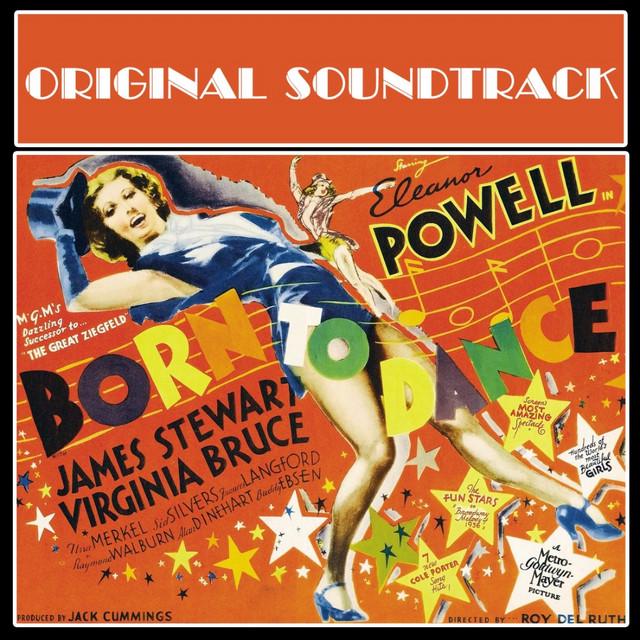
Buddy Ebsen’s Spotify Biob. Christian Rudolph Ebsen, 2 April 1908, Belleville, Illinois, USA, d. 6 July 2003, Torrance, California, USA. Ebsen trained as a dancer with his father, then formed a double act with his sister, Vilma. He appeared in the Ziegfeld Follies but from the mid-30s was mainly in films, often dancing. He was in Broadway Melody Of 1936 (1935), Captain January (1936, singing ‘At The Codfish Ball’), Born To Dance and Banjo On My Knee (both 1936), Broadway Melody Of 1938 (1937), The Girl Of The Golden West and My Lucky Star (both 1938). In 1939 Ebsen was cast as The Tin Man in The Wizard Of Oz. Allergic to the metallic paint used in the make-up, he abandoned the role, which was taken by Jack Haley, although Ebsen sings, uncredited, ‘We’re Off To See The Wizard’. In the 40s and 50s Ebsen made They Met In Argentina (1941), Sing Your Worries Away (1942), Under Mexicali Stars (1950), Thunder In God’s Country (1951), Red Garters and Davy Crockett, King Of The Wild Frontier (both 1954), and Attack… (1956). He also composed the title song for 1951’s, Behave Yourself!
In the 60s Ebsen made Breakfast At Tiffany’s (1961), The Interns (1962), Mail Order Bride (1964) and The One And Only, Genuine, Original Family Band (1968). He appeared on television in the series Climax! (1957), Maverick and Bonanza (both 1959), Rawhide, Bronco and Gunsmoke (all 1960), 77 Sunset Strip, The Twilight Zone, Gunslinger, Have Gun - Will Travel and Bus Stop (all 1961), Tales Of Wells Fargo (1962), Hawaii Five-O (1971), Alias Smith And Jones (1972), Burke’s Law (1994), and the situation comedy King Of The Hill (1999). Most significant were his leading roles in Northwest Passage (1958), The Beverly Hillbillies (1962, as Jed Clampett), Barnaby Jones (1973) and Matt Houston (1982). He also appeared in television films including The Andersonville Trial (1970), The Daughters Of Joshua Cabe (1972), Tom Sawyer (1973), Leave Yesterday Behind (1978), The Return Of The Beverly Hillbillies (1981), Stone Fox (1987), and Working Tra$h (1990). He produced the 1979 television film The Paradise Connection. Ebsen’s last big-screen role combined the two television series for which he was famous, playing Barnaby Jones in The Beverly Hillbillies (1993).
Viberate is a music analytics platform built for A&Rs, artist managers, labels, booking agents, marketers, and artists.
It helps music professionals track artist growth, analyze audience data, monitor playlist activity, compare artists, follow song performance, and identify opportunities across the music market.
Public artist pages provide a free preview of selected artist data. Paid plans provide access to deeper analytics, historical data, charts, comparisons, playlist tools, exports, alerts, reports, and additional professional features.
Yes. Public Viberate artist pages provide selected artist analytics and music data for free.
Viberate also offers a 7-day free trial of the full platform. A credit card is required to start the trial. The trial includes access to the complete product so users can test deeper artist analytics, historical views, playlist insights, comparisons, charts, exports, alerts, and reporting features before choosing a paid plan.
Viberate provides artist analytics across streaming, playlists, social media, video, radio airplay, songs, and audience markets.
Users can analyze Spotify performance, Spotify and Apple Music playlists, YouTube activity, TikTok and Instagram growth, radio spins, song performance, audience locations, demographics, rankings, and overall artist momentum.
Artist profiles also connect to music charts, similar artists, and comparison tools, helping users benchmark performance and evaluate artists in context.
Viberate updates key artist and track data daily.
For followed artists and tracks, selected data is refreshed multiple times per day. This helps teams monitor playlist changes, streaming movement, audience growth, releases, and campaign performance with more current data.
Update frequency can vary depending on the metric and data source.
Yes. Viberate lets users compare up to five artists side by side across streaming, social media, audience, and engagement metrics.
Users can compare fanbase growth, audience demographics, locations, Spotify performance, social metrics, and other artist data over selected time periods.
Artist comparison can be used for A&R scouting, benchmarking, booking decisions, campaign planning, and evaluating artists with similar audiences or market positions.