Bert Lahr

Classical
Classical Crossover
Mainstream Pop
 Viberate Rank: 327831
 Viberate Rank: 327831
 Monthly ListenersFollowers
 Subscribers
 Followers
 Followers
 FansTop Spotify Songs
| Track | 7-Day Streams | |
|---|---|---|
1 | 3.92K | |
2 | 3.91K | |
3 | 3.91K | |
4 | 3.84K | |
5 | 2.66K |
Top YouTube VideosMonthly ListenersFeatured in Playlists| Playlist | Followers | |
|---|---|---|
1 |  Radio New Vegas tamoreton | 74.21K |
2 |  Wicked Part 2 (Wicked: For Good) Ahsoka Tano | 26.35K |
3 |  Musical Theatre tahliajolly | 14.59K |
4 |  Family Guy songs Ralf Schutrups | 13.61K |
5 |  This Is Judy Garland Spotify | 12.96K |
Audience| City | Monthly Listeners | |
|---|---|---|
1 |  | 395 |
2 | | 334 |
3 | | 326 |
4 | | 302 |
5 |  | 294 |
See full performance history, audience data, playlist activity, rankings, comparisons, and more in Viberate music analytics. Start with a free trial, then continue with a paid plan.
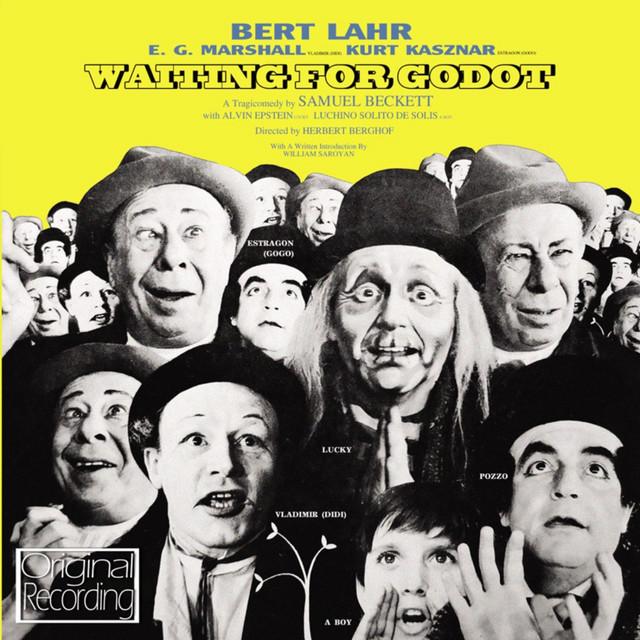
Bert Lahr’s Spotify Biob. Irving Lahrheim, 13 August 1895, d. 4 December 1967, New York, USA. An actor, comedian and singer, with his rubber-faced expression and noisy antics - which included his trademark expression ‘gnong-gnong’ - Lahr was one of the all-time great clowns of the American musical theatre. After working for a good many years in vaudeville and burlesque - some of the time with his first wife in an act called Lahr And Mercedes - he appeared on Broadway in the revue Harry Delmar’s Revels (1927), before making an immediate impact as an erratic prize fighter in the musical comedy Hold Everything! in 1928. He repeated his success, this time as airport mechanic who accidentally sets an endurance flying record because he cannot land the plane, in Flying High (1930). During the remainder of the 30s, Lahr spent most of his time in revues, such as Hot-Cha! (1932), George White’s Music Hall Varieties (1932), Life Begins At 8:40 (1934), George White’s Scandals (1935), and The Show Is On (1936), in which… he introduced the hilarious ‘Song Of The Woodman’ (E.Y. ‘Yip’ Harburg - Harold Arlen). In 1939, he played a nightclub washroom attendant who dreams that he is Louis XV, in the Cole Porter book musical, Du Barry Was A Lady, and duetted with co-star Ethel Merman on ‘But In The Morning, No!’ and the lively ‘Friendship’. By this time Lahr had modified his raucous image somewhat, and he brought his new, softer - but often satirical - personality to the character of the Cowardly Lion, in the classic 1939 movie, The Wizard Of Oz. He had two solo numbers, ‘Lions And Tigers And Bears’ and the splendid ‘King Of The Forest’, as well as ensemble pieces with Judy Garland, Ray Bolger and Jack Haley. Throughout the 40s and 50s he continued to appear in revues, including Seven Lively Arts (1944), Meet The People (1944), Make Mine Manhattan (1948), Two On The Aisle (1950), and The Boys Against The Girls (1959), as well as starring on radio, television and in films. Towards the end of his career, he also worked extensively in the straight theatre in highly regarded productions such as Waiting For Godot, Hotel Paradiso, and The Beauty Part. Lahr made his final Broadway appearance in Foxy (1964), a musical comedy adaptation of Ben Jonson’s Volpone, in which the action was switched from Venice to the Klondike gold rush. His film career, which had begun with the screen version of one his first stage hits, Flying High, and peaked with The Wizard Of Oz, ended, appropriately enough, with a movie in which he played a burlesque comic, The Night They Raided Minsky’s. Lahr died during the filming. Two years after his death, he was the subject of a biography written by his son.
Viberate is a music analytics platform built for A&Rs, artist managers, labels, booking agents, marketers, and artists.
It helps music professionals track artist growth, analyze audience data, monitor playlist activity, compare artists, follow song performance, and identify opportunities across the music market.
Public artist pages provide a free preview of selected artist data. Paid plans provide access to deeper analytics, historical data, charts, comparisons, playlist tools, exports, alerts, reports, and additional professional features.
Yes. Public Viberate artist pages provide selected artist analytics and music data for free.
Viberate also offers a 7-day free trial of the full platform. A credit card is required to start the trial. The trial includes access to the complete product so users can test deeper artist analytics, historical views, playlist insights, comparisons, charts, exports, alerts, and reporting features before choosing a paid plan.
Viberate provides artist analytics across streaming, playlists, social media, video, radio airplay, songs, and audience markets.
Users can analyze Spotify performance, Spotify and Apple Music playlists, YouTube activity, TikTok and Instagram growth, radio spins, song performance, audience locations, demographics, rankings, and overall artist momentum.
Artist profiles also connect to music charts, similar artists, and comparison tools, helping users benchmark performance and evaluate artists in context.
Viberate updates key artist and track data daily.
For followed artists and tracks, selected data is refreshed multiple times per day. This helps teams monitor playlist changes, streaming movement, audience growth, releases, and campaign performance with more current data.
Update frequency can vary depending on the metric and data source.
Yes. Viberate lets users compare up to five artists side by side across streaming, social media, audience, and engagement metrics.
Users can compare fanbase growth, audience demographics, locations, Spotify performance, social metrics, and other artist data over selected time periods.
Artist comparison can be used for A&R scouting, benchmarking, booking decisions, campaign planning, and evaluating artists with similar audiences or market positions.