Brook Benton

Pop
Mainstream Pop
Contemporary R&B
 Viberate Rank: 47693
 Viberate Rank: 47693
 Monthly ListenersFollowers
 Subscribers
 Followers
 Followers
 FansTop Spotify Songs
| Track | 7-Day Streams | |
|---|---|---|
1 | 37.80K | |
2 | 26.54K | |
3 | 12.95K | |
4 | 12.39K | |
5 | 11.48K |
Top YouTube Videos| Video | 7-Day Views | |
|---|---|---|
1 | 6.77K | |
2 | 1.79K | |
3 | 1.38K | |
4 | 953 | |
5 | 510 |
Monthly ListenersFeatured in Playlists| Playlist | Followers | |
|---|---|---|
1 |  Soft 70s Spotify | 1.19M |
2 |  The Black Power Mixtape 1967–1975 Spotify | 834.24K |
3 |  60s Party Spotify | 344.29K |
4 |  Fallout Radio Spotify | 297.41K |
5 |  Soul Classics - The Greatest Soul Songs Topsify Germany | 175.58K |
Audience| City | Monthly Listeners | |
|---|---|---|
1 |  | 5.09K |
2 |  | 2.82K |
3 | | 2.39K |
4 |  | 2.34K |
5 | | 2.24K |
See full performance history, audience data, playlist activity, rankings, comparisons, and more in Viberate music analytics. Start with a free trial, then continue with a paid plan.
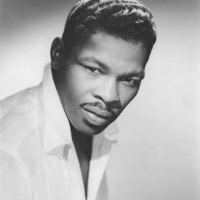
Brook Benton’s Spotify BioSilky smooth: that was Brook Benton's byword from his first record to his very last, as the singer parlayed his rich baritone pipes into seven number one R&B hits and eight Top Ten items. Stints on the gospel circuit preceded Benton's first secular session for Okeh in 1953, but his career didn't begin to take off until he teamed with writer/producer Clyde Otis. Benton co-wrote and sang hundreds of demos for other artists before frequent collaborator Otis signed his friend to Mercury; together they pioneered a lush, violin-studded variation on the standard R&B sound, which beautifully showcased Benton's intimate vocals.
Benton crashed the top spot on the R&B charts in early 1959 with his moving "It's Just a Matter of Time," then rapidly encored with three more R&B chart-toppers: "Thank You Pretty Baby," "So Many Ways," and "Kiddio." Pairing with Mercury labelmate Dinah Washington, their delightful repartee on "Baby (You've Got What It Takes)" and "A Rockin' Good Way" paced the R&B lists… in 1960.
The early '60s were a prolific period for Benton, but he left Mercury a few years later and bounced between labels before reemerging with the atmospheric Tony Joe White ballad "Rainy Night in Georgia" on Cotillion in 1970. Benton later made a halfhearted attempt to cash in on the disco craze, but his hitmaking reign was at an end long before his death in 1988. ~ Bill Dahl, Rovi
Viberate is a music analytics platform built for A&Rs, artist managers, labels, booking agents, marketers, and artists.
It helps music professionals track artist growth, analyze audience data, monitor playlist activity, compare artists, follow song performance, and identify opportunities across the music market.
Public artist pages provide a free preview of selected artist data. Paid plans provide access to deeper analytics, historical data, charts, comparisons, playlist tools, exports, alerts, reports, and additional professional features.
Yes. Public Viberate artist pages provide selected artist analytics and music data for free.
Viberate also offers a 7-day free trial of the full platform. A credit card is required to start the trial. The trial includes access to the complete product so users can test deeper artist analytics, historical views, playlist insights, comparisons, charts, exports, alerts, and reporting features before choosing a paid plan.
Viberate provides artist analytics across streaming, playlists, social media, video, radio airplay, songs, and audience markets.
Users can analyze Spotify performance, Spotify and Apple Music playlists, YouTube activity, TikTok and Instagram growth, radio spins, song performance, audience locations, demographics, rankings, and overall artist momentum.
Artist profiles also connect to music charts, similar artists, and comparison tools, helping users benchmark performance and evaluate artists in context.
Viberate updates key artist and track data daily.
For followed artists and tracks, selected data is refreshed multiple times per day. This helps teams monitor playlist changes, streaming movement, audience growth, releases, and campaign performance with more current data.
Update frequency can vary depending on the metric and data source.
Yes. Viberate lets users compare up to five artists side by side across streaming, social media, audience, and engagement metrics.
Users can compare fanbase growth, audience demographics, locations, Spotify performance, social metrics, and other artist data over selected time periods.
Artist comparison can be used for A&R scouting, benchmarking, booking decisions, campaign planning, and evaluating artists with similar audiences or market positions.