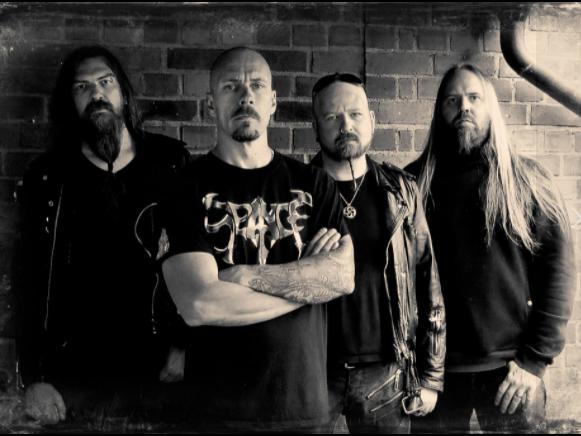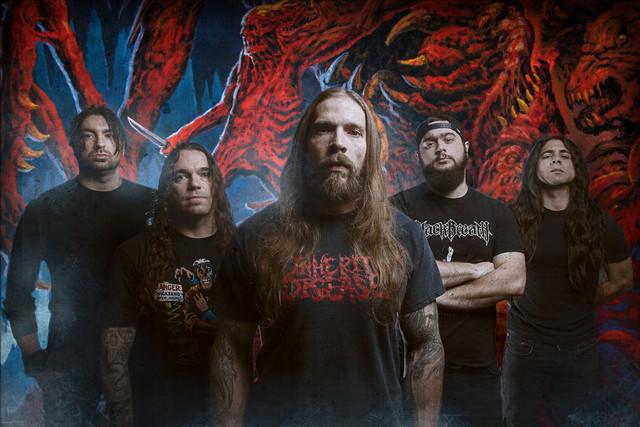
Broken Hope

Metal
Death Metal
 Viberate Rank: 143436
 Viberate Rank: 143436
 Monthly ListenersFollowers
 Subscribers
 Followers
 Followers
 FansTop Spotify Songs
| Track | 7-Day Streams | |
|---|---|---|
1 | 1.22K | |
2 | 691 | |
3 | 396 | |
4 | 365 | |
5 | 354 |
Top YouTube VideosMonthly ListenersFeatured in Playlists| Playlist | Followers | |
|---|---|---|
1 |  Death Metal Classics @MansenSankari | 127.47K |
2 | Death Metal Dylan Bellusci | 67.91K |
3 | Metal🤘🏻 Naydil González | 16.46K |
4 |  Death Metal Old School Stéphane Loisal | 12.90K |
5 | 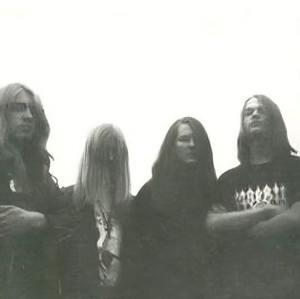 Old School Death Metal @MansenSankari | 11.01K |
Audience| City | Monthly Listeners | |
|---|---|---|
1 |  | 194 |
2 |  | 129 |
3 |  | 111 |
4 | | 105 |
5 | | 98 |
See full performance history, audience data, playlist activity, rankings, comparisons, and more in Viberate music analytics. Start with a free trial, then continue with a paid plan.
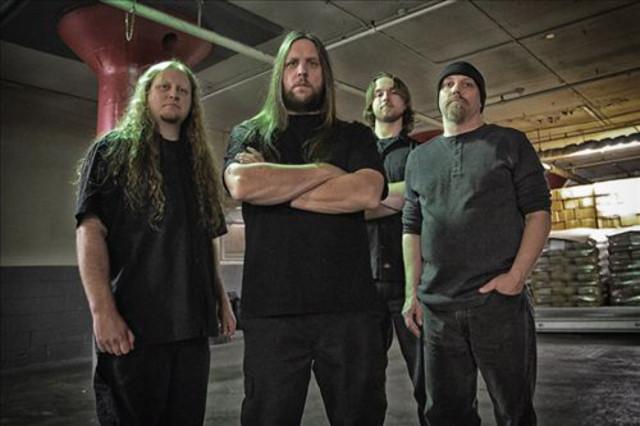
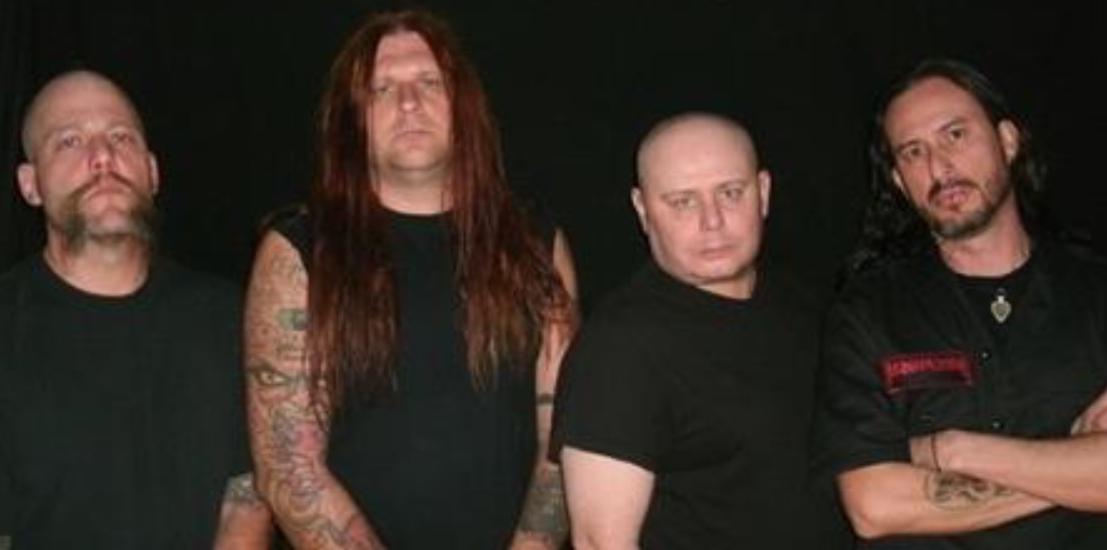
Broken Hope’s Spotify BioChicago-based death metal band Broken Hope was formed by singer Joe Ptacek, guitarist Jeremy Wagner, and drummer Ryan Stanek following the dissolution of their previous band, Crypt. Adding lead guitarist Brian Griffin and bassist Ed Hughes, the group's early demos soon earned them a contract with Grind Core Records, and in 1991 they issued their debut LP Swamped in Gore. Jumping to Metal Blade, Broken Hope resurfaced in 1993 with Bowels of Repugnance. Replacing Hughes with ex-Sindrome bassist Shaun Glass, the band next issued 1995's Repulsive Conception, followed two years later by Loathing. Both Stanek and Glass exited prior to recording 1999's Grotesque Blessings, and were replaced by drummer Duane Timlin and bassist Sean Baxter. It would prove to be the last record with this lineup and the last appearance of founding singer Ptacek who committed suicide a decade later. Having disbanded in 2002, surviving members Wagner and Glass reunited Broken Hope in 2012 with all new members… including vocalist Damien Leski. Signed to Century Media, they released Omen of Disease, their first studio album in 13 years. Glass left the band in 2014, making Wagner the sole original member. Under his direction, Broken Hope returned in 2017 with their seventh album, Mutilated and Assimilated. ~ Jason Ankeny, Rovi
Viberate is a music analytics platform built for A&Rs, artist managers, labels, booking agents, marketers, and artists.
It helps music professionals track artist growth, analyze audience data, monitor playlist activity, compare artists, follow song performance, and identify opportunities across the music market.
Public artist pages provide a free preview of selected artist data. Paid plans provide access to deeper analytics, historical data, charts, comparisons, playlist tools, exports, alerts, reports, and additional professional features.
Yes. Public Viberate artist pages provide selected artist analytics and music data for free.
Viberate also offers a 7-day free trial of the full platform. A credit card is required to start the trial. The trial includes access to the complete product so users can test deeper artist analytics, historical views, playlist insights, comparisons, charts, exports, alerts, and reporting features before choosing a paid plan.
Viberate provides artist analytics across streaming, playlists, social media, video, radio airplay, songs, and audience markets.
Users can analyze Spotify performance, Spotify and Apple Music playlists, YouTube activity, TikTok and Instagram growth, radio spins, song performance, audience locations, demographics, rankings, and overall artist momentum.
Artist profiles also connect to music charts, similar artists, and comparison tools, helping users benchmark performance and evaluate artists in context.
Viberate updates key artist and track data daily.
For followed artists and tracks, selected data is refreshed multiple times per day. This helps teams monitor playlist changes, streaming movement, audience growth, releases, and campaign performance with more current data.
Update frequency can vary depending on the metric and data source.
Yes. Viberate lets users compare up to five artists side by side across streaming, social media, audience, and engagement metrics.
Users can compare fanbase growth, audience demographics, locations, Spotify performance, social metrics, and other artist data over selected time periods.
Artist comparison can be used for A&R scouting, benchmarking, booking decisions, campaign planning, and evaluating artists with similar audiences or market positions.