Broder Daniel

Rock
Pop Rock
Indie Rock
 Viberate Rank: 122854
 Viberate Rank: 122854
 Monthly ListenersFollowers
 Subscribers
 Followers
 Followers
 FansTop Spotify Songs
| Track | 7-Day Streams | |
|---|---|---|
1 | 70.64K | |
2 | 25.83K | |
3 | 12.72K | |
4 | 12.10K | |
5 | 10.86K |
Top YouTube VideosMonthly ListenersFeatured in Playlists| Playlist | Followers | |
|---|---|---|
1 |  Svenska Favoriter Spotify | 295.92K |
2 |  Indie Disco Spotify | 81.80K |
3 |  Chill it surf style Felix Bouleau | 71.72K |
4 |  Det svenska 00-talet Spotify | 58.93K |
5 | Sleepinglist Marcus Öhrn | 21.80K |
Audience| City | Monthly Listeners | |
|---|---|---|
1 | | 34.07K |
2 | | 20.98K |
3 | | 9.49K |
4 | | 4.13K |
5 | | 2.70K |
See full performance history, audience data, playlist activity, rankings, comparisons, and more in Viberate music analytics. Start with a free trial, then continue with a paid plan.
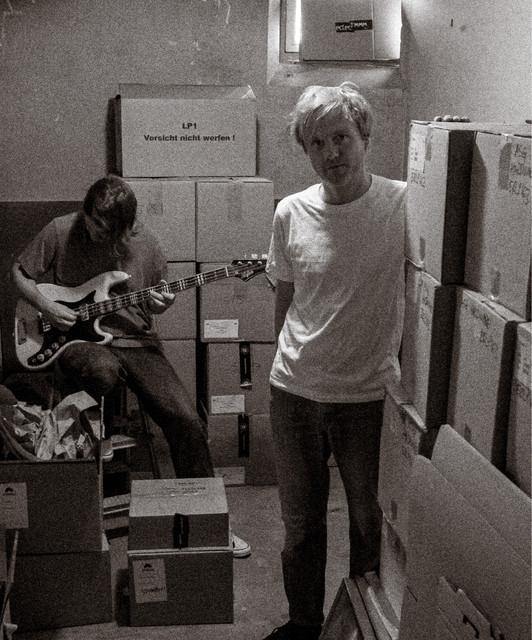
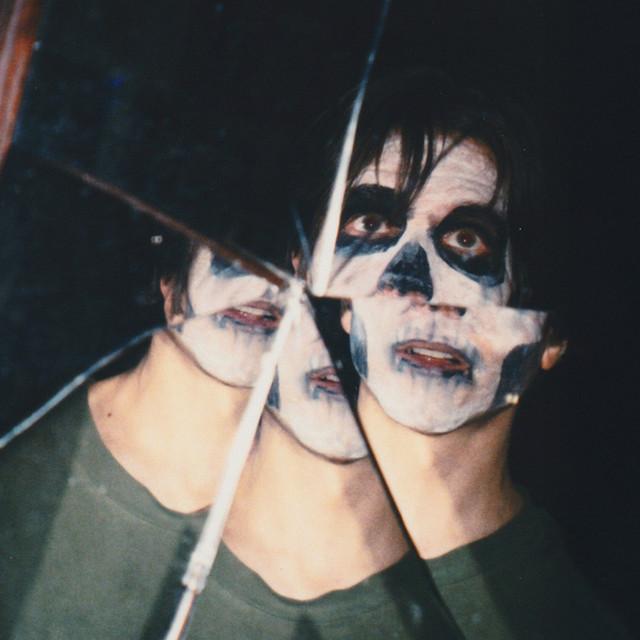
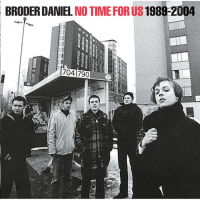
Broder Daniel’s Spotify BioMaybe Broder Daniel's strongest impression on the public mind is the singer Henrik Berggren's star-spangled face. But merging the outsider perspective of the Smiths with a frantic energy and simple lyrics, few bands had the same influence on the Swedish indie scene in the mid-'90s.
The band was formed in the late '80s by schoolmates Henrik Berggren and Daniel Gilbert. But not taking things too seriously, it took until 1995 to get the first single, "Cadillac," out. Two months later, the debut album Saturday Night Engine was released, and knowing the publicity it would later get, it is hard to think that it only sold around 5000. Soon after the release, Gilbert quit the band and was replaced by Theodore Jensen. When Broder Daniel was released in 1996, the band had gathered a large number of fans and a reputation of smashing hotel rooms and turning up drunk to concerts, a rumor (well-founded or not) that made a number of arrangers boycott them. If equaled with the desperation they showed… on stage, this rock & roll cliché was very different from how the band appeared in their lyrics and in person. Broder Daniel's image was very much built on teenage angst and hopeless naïve love, expressed in simple repetitive lyrics with Berggren saying in interview after interview that he only wants someone to take care of him, like his mother. Guitarist Johan Enerskog left the band in 1997, and the same year, Håkan Hellström returned after playing with Honey Is Cool. Being loved by indie kids and much of the music press, their teenage lyrics, stagy appearance, and Berggren's out-of-key singing also made a lot of people dislike them and maybe stopped them from selling really well. By having the songs "Underground," "I'll Be Gone," and "Whirlwind" from the album Broder Daniel included on the soundtrack of the extremely successful film Fucking Åmål, they managed to widen their audience considerably, as with the third album, Broder Daniel Forever. Released in 1998, it left some of the effective simplicity behind, taking a step towards the mainstream of indie pop. What had earlier made them slightly different in this genre had been their energy and extrovert attitude.
In the following two years, Broder Daniel released a single and a singles collection, and it was questioned whether they still existed as a band. The answer was always yes, but when bassist Håkan Hellström had a huge success with his solo album Känn Ingen Sorg För Mig Göteborg, and Theodor Jensen formed the Plan, the future of Broder Daniel seemed unsure. ~ Lars Lovén, Rovi
Viberate is a music analytics platform built for A&Rs, artist managers, labels, booking agents, marketers, and artists.
It helps music professionals track artist growth, analyze audience data, monitor playlist activity, compare artists, follow song performance, and identify opportunities across the music market.
Public artist pages provide a free preview of selected artist data. Paid plans provide access to deeper analytics, historical data, charts, comparisons, playlist tools, exports, alerts, reports, and additional professional features.
Yes. Public Viberate artist pages provide selected artist analytics and music data for free.
Viberate also offers a 7-day free trial of the full platform. A credit card is required to start the trial. The trial includes access to the complete product so users can test deeper artist analytics, historical views, playlist insights, comparisons, charts, exports, alerts, and reporting features before choosing a paid plan.
Viberate provides artist analytics across streaming, playlists, social media, video, radio airplay, songs, and audience markets.
Users can analyze Spotify performance, Spotify and Apple Music playlists, YouTube activity, TikTok and Instagram growth, radio spins, song performance, audience locations, demographics, rankings, and overall artist momentum.
Artist profiles also connect to music charts, similar artists, and comparison tools, helping users benchmark performance and evaluate artists in context.
Viberate updates key artist and track data daily.
For followed artists and tracks, selected data is refreshed multiple times per day. This helps teams monitor playlist changes, streaming movement, audience growth, releases, and campaign performance with more current data.
Update frequency can vary depending on the metric and data source.
Yes. Viberate lets users compare up to five artists side by side across streaming, social media, audience, and engagement metrics.
Users can compare fanbase growth, audience demographics, locations, Spotify performance, social metrics, and other artist data over selected time periods.
Artist comparison can be used for A&R scouting, benchmarking, booking decisions, campaign planning, and evaluating artists with similar audiences or market positions.