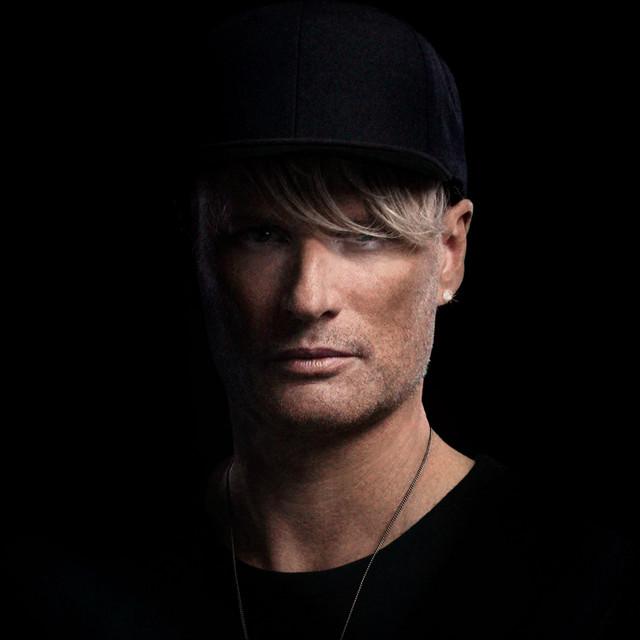
Brian Tyler

Electronic
Other Electronic Music
 Viberate Rank: 11913
 Viberate Rank: 11913
 Monthly ListenersFollowers
 Subscribers
 Followers
 Followers
 FansTop Spotify Songs
| Track | 7-Day Streams | |
|---|---|---|
1 | 255.68K | |
2 | 79.67K | |
3 | 77.20K | |
4 | 34.35K | |
5 | 33.46K |
Top YouTube VideosMonthly ListenersFeatured in Playlists| Playlist | Followers | |
|---|---|---|
1 |  Iconic Soundtracks Spotify | 1.37M |
2 |  Yellowstone Official Playlist Spotify | 756.98K |
3 |  Video Game Soundtracks Spotify | 748.17K |
4 |  New Soundtracks Spotify | 335.07K |
5 |  Soundtrack for Study Filtr Canada | 300.89K |
Audience| City | Monthly Listeners | |
|---|---|---|
1 |  | 28.27K |
2 |  | 28.20K |
3 |  | 27.12K |
4 | | 26.03K |
5 |  | 19.62K |
See full performance history, audience data, playlist activity, rankings, comparisons, and more in Viberate music analytics. Start with a free trial, then continue with a paid plan.
Brian Tyler’s Spotify BioAn award-winning songwriter, conductor, producer, and composer of an impressive array of film, television, and video game scores, California native Brian Tyler attended UCLA and Harvard before embarking on a successful career in music. A self-taught musician who proficient on myriad instruments including drums, piano, guitar, bass, cello, percussion, synths, charango, and bouzouki, Tyler began scoring films shortly after graduation from Harvard. His early score for Six String Samurai helped him land his first big break with the 2001 Bill Paxton-directed thriller Frailty. Since then he has become one of the most in-demand film composers in the business, racking up accolades for his work on movies like Avengers: Age of Ultron, Iron Man 3, The Fast and Furious movie franchise, Thor: The Dark World, Rambo, Now You See Me, Teenage Mutant Ninja Turtles , Truth, Constantine, and The Final Destination.
He has also provided music for popular video games such as Need for Speed: The Run, Call of… Duty: Modern Warfare 3, Far Cry 3, and Assassin's Creed IV: Black Flag, as well as for television programs like Transformers: Prime, Star Trek Enterprise, and Sleepy Hollow. In 2014, Tyler co-wrote and produced the hit song "Shell Shocked" with Wiz Kalifah, Kill the Noise, Ty Dolla $ign, Juicy J which he released under the pseudonym Madsonik and is a certified gold record. His films have grossed over $12 billion worldwide making him the 9th highest grossing box office composer of all time.
Viberate is a music analytics platform built for A&Rs, artist managers, labels, booking agents, marketers, and artists.
It helps music professionals track artist growth, analyze audience data, monitor playlist activity, compare artists, follow song performance, and identify opportunities across the music market.
Public artist pages provide a free preview of selected artist data. Paid plans provide access to deeper analytics, historical data, charts, comparisons, playlist tools, exports, alerts, reports, and additional professional features.
Yes. Public Viberate artist pages provide selected artist analytics and music data for free.
Viberate also offers a 7-day free trial of the full platform. A credit card is required to start the trial. The trial includes access to the complete product so users can test deeper artist analytics, historical views, playlist insights, comparisons, charts, exports, alerts, and reporting features before choosing a paid plan.
Viberate provides artist analytics across streaming, playlists, social media, video, radio airplay, songs, and audience markets.
Users can analyze Spotify performance, Spotify and Apple Music playlists, YouTube activity, TikTok and Instagram growth, radio spins, song performance, audience locations, demographics, rankings, and overall artist momentum.
Artist profiles also connect to music charts, similar artists, and comparison tools, helping users benchmark performance and evaluate artists in context.
Viberate updates key artist and track data daily.
For followed artists and tracks, selected data is refreshed multiple times per day. This helps teams monitor playlist changes, streaming movement, audience growth, releases, and campaign performance with more current data.
Update frequency can vary depending on the metric and data source.
Yes. Viberate lets users compare up to five artists side by side across streaming, social media, audience, and engagement metrics.
Users can compare fanbase growth, audience demographics, locations, Spotify performance, social metrics, and other artist data over selected time periods.
Artist comparison can be used for A&R scouting, benchmarking, booking decisions, campaign planning, and evaluating artists with similar audiences or market positions.