Bohagon

Hip Hop
Contemporary Hip Hop
Alternative Hip Hop
 Viberate Rank: 145920
 Viberate Rank: 145920
 Monthly ListenersFollowers
 Subscribers
 Followers
 Followers
 FansTop Spotify Songs
| Track | 7-Day Streams | |
|---|---|---|
1 | 36.20K | |
2 | 6.91K | |
3 | 3.48K | |
4 | 2.20K | |
5 | 1.31K |
Top YouTube VideosMonthly ListenersFeatured in Playlists| Playlist | Followers | |
|---|---|---|
1 | 2000’s Rap Bangers Blake | 92.57K |
2 |  Lil Jon & The East Side Boyz🤟🤟☠️☠️ Jimmie Perdue | 21.62K |
3 |  Gangsta rap 2026 Marc-Gabrielle Paradis | 19.62K |
4 |  BASS TESTER! Frederik Kj Hansen | 18.40K |
5 |  PTVGYM Jooel Vatanen | 18.19K |
Audience| City | Monthly Listeners | |
|---|---|---|
1 | | 274 |
2 | | 142 |
3 | | 98 |
4 | | 94 |
5 | | 92 |
See full performance history, audience data, playlist activity, rankings, comparisons, and more in Viberate music analytics. Start with a free trial, then continue with a paid plan.
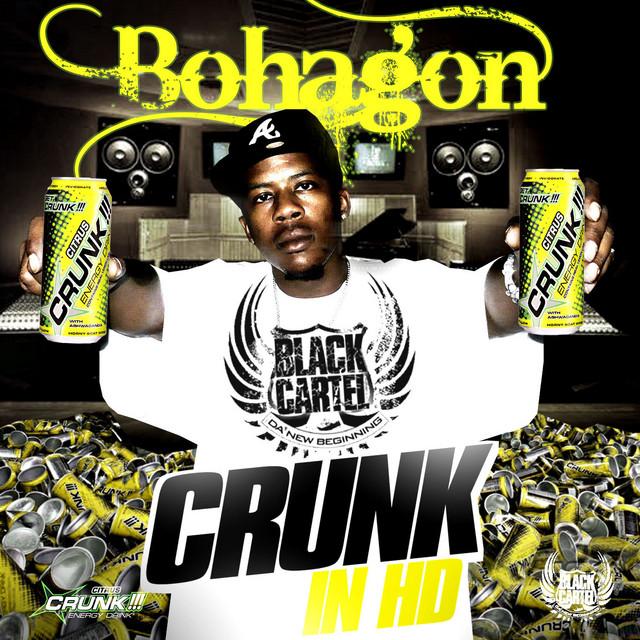
Bohagon’s Spotify BioLabeling himself as a "country, ghetto poet," Bohagon (born Cedric Leonard) was singled out by the king of crunk, Lil Jon, as a promising Southern rap artist in the late '90s. While Lil Jon was an A&R for Atlanta's So So Def Records, he tapped into Bohagon to do a track each for two bass compilations: "Uh Uhh" for So So Def Bass All-Stars, Vol. 2 in 1997 and the regional anthem "Drop Dem Boes" for the third volume in 1998. Deciding to move forward with his career, he moved from his small hometown of Talbotton, GA, to Atlanta around the same time these compilations were released, and Lil Jon eventually signed Bohagon to his BME Recordings imprint. By the mid-2000s, Bohagon had built up his own record label, Georgia Durt, where he serves as co-CEO with partner Playboy Tre. The label's first release was the Georgia Durt compilation in August 2005. By that time, Bohagon had joined Eminem's Anger Management 3 tour, visiting over 50 cities around the world. Moreover, he was also in the midst… of gathering his solo effort together, marked by the hit 2006 single "Wuz Up," produced by Lil Jon. Sundays at the Bootlegger, his purported solo debut, was first slated for a summer 2006 release but was delayed indefinitely. ~ Cyril Cordor, Rovi
Viberate is a music analytics platform built for A&Rs, artist managers, labels, booking agents, marketers, and artists.
It helps music professionals track artist growth, analyze audience data, monitor playlist activity, compare artists, follow song performance, and identify opportunities across the music market.
Public artist pages provide a free preview of selected artist data. Paid plans provide access to deeper analytics, historical data, charts, comparisons, playlist tools, exports, alerts, reports, and additional professional features.
Yes. Public Viberate artist pages provide selected artist analytics and music data for free.
Viberate also offers a 7-day free trial of the full platform. A credit card is required to start the trial. The trial includes access to the complete product so users can test deeper artist analytics, historical views, playlist insights, comparisons, charts, exports, alerts, and reporting features before choosing a paid plan.
Viberate provides artist analytics across streaming, playlists, social media, video, radio airplay, songs, and audience markets.
Users can analyze Spotify performance, Spotify and Apple Music playlists, YouTube activity, TikTok and Instagram growth, radio spins, song performance, audience locations, demographics, rankings, and overall artist momentum.
Artist profiles also connect to music charts, similar artists, and comparison tools, helping users benchmark performance and evaluate artists in context.
Viberate updates key artist and track data daily.
For followed artists and tracks, selected data is refreshed multiple times per day. This helps teams monitor playlist changes, streaming movement, audience growth, releases, and campaign performance with more current data.
Update frequency can vary depending on the metric and data source.
Yes. Viberate lets users compare up to five artists side by side across streaming, social media, audience, and engagement metrics.
Users can compare fanbase growth, audience demographics, locations, Spotify performance, social metrics, and other artist data over selected time periods.
Artist comparison can be used for A&R scouting, benchmarking, booking decisions, campaign planning, and evaluating artists with similar audiences or market positions.