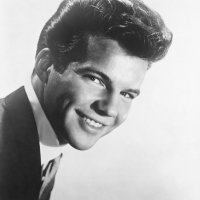
Bobby Vee

Pop
Mainstream Pop
Soul
 Viberate Rank: 34891
 Viberate Rank: 34891
 Monthly ListenersFollowers
 Subscribers
 Followers
 Followers
 FansTop Spotify Songs
| Track | 7-Day Streams | |
|---|---|---|
1 | 163.68K | |
2 | 42.14K | |
3 | 31.56K | |
4 | 16.95K | |
5 | 14.64K |
Top YouTube VideosMonthly ListenersFeatured in Playlists| Playlist | Followers | |
|---|---|---|
1 |  All Out 60s Spotify | 3.19M |
2 |  OLD LOVE SONGS 80's-90's meaghan b. | 503.24K |
3 |  Easy 60s Spotify | 366.22K |
4 |  60s Party Spotify | 344.29K |
5 | Golden Oldies 50's & 60's - Best of 50s/60s. EN Greatest hits - Grandes éxitos de los años 50 y 60. Leticia-Recopilatorios | 198.94K |
Audience| City | Monthly Listeners | |
|---|---|---|
1 |  | 9.45K |
2 |  | 8.58K |
3 | | 8.06K |
4 | | 6.33K |
5 |  | 5.56K |
See full performance history, audience data, playlist activity, rankings, comparisons, and more in Viberate music analytics. Start with a free trial, then continue with a paid plan.
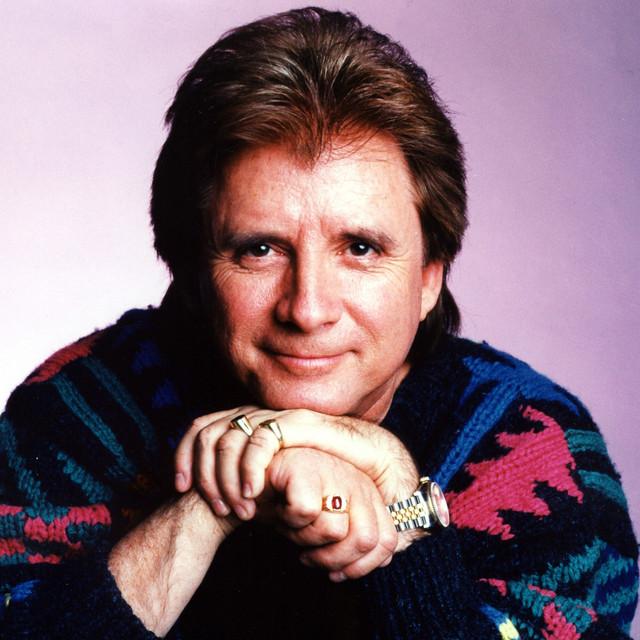
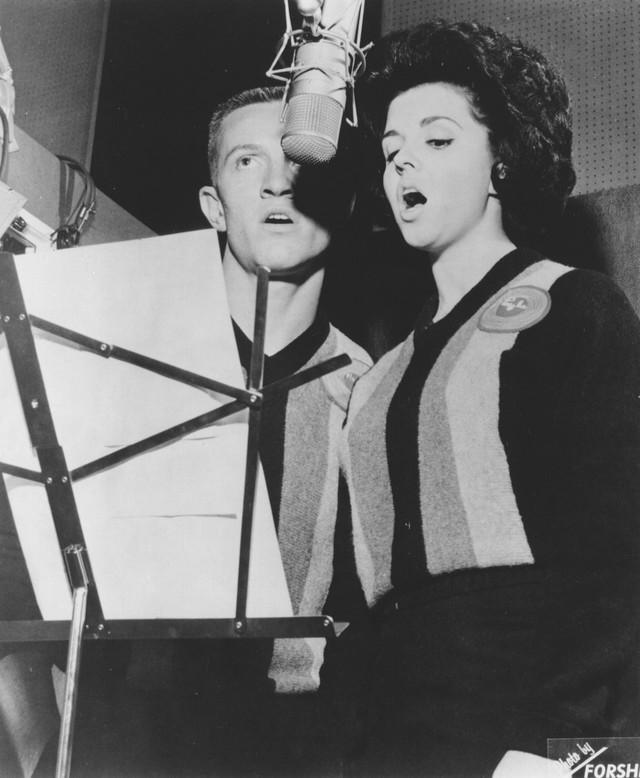
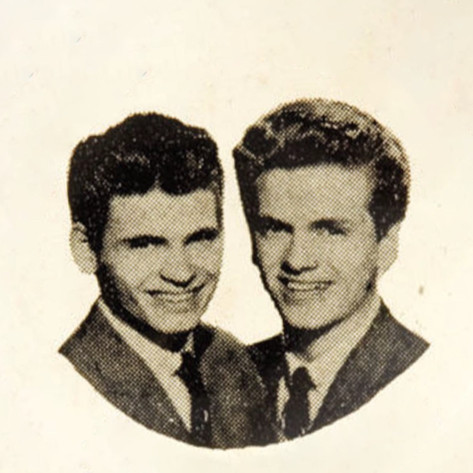
Bobby Vee’s Spotify BioLaunching his career as a fill-in for the recently deceased Buddy Holly, Bobby Vee scored several pop hits during the early '60s, that notorious period of popular music sandwiched between the birth of rock & roll and the rise of the British Invasion. Though a few of his singles -- "Rubber Ball," for one -- were as innocuous as anything else from the era, Vee had a knack for infectious Brill Building pop, thanks to his ebullient voice as well as the cadre of songwriters standing behind him.
Born in Fargo, North Dakota in 1943, Robert Thomas Velline was still in his teens when he formed his first combo, the Shadows, with his brother Bill and their friend Bob Korum. The trio were playing around the area when their big break came, at the expense of one of Bobby's musical idols; the Winter Dance Party package tour, with Buddy Holly, Ritchie Valens, and the Big Bopper were on their way to Fargo when their plane went down in Iowa, killing all three. The Shadows were scheduled to play the date… instead of Holly, and several months later, producer Tommy "Snuff" Garrett supervised their first recording session and the release of the single "Suzie Baby" on Soma Records. Liberty/RCA picked up the single later in the year, and though it just barely scraped the pop charts, the label kept plugging with Vee as a solo act, recording him on Adam Faith's "What Do You Want?," which also failed to move.
With the collective might of the Brill Building behind him, though, Vee was guaranteed to make it; his third single, "Devil or Angel," hit the Top Ten in mid-1960, followed by "Rubber Ball" later that year. One year later, Vee's biggest hit, "Take Good Care of My Baby," spent three weeks at number one, followed by the number two "Run to Him." His fame appeared to wane after the 1962 Top Ten single "The Night Has a Thousand Eyes," due in large part to the success of the Beatles and other English acts. Vee appeared in several movies (Just for Fun, Play It Cool) and briefly tried to cash in on the British phenomenon -- with the disappointing Bobby Vee Sings the New Sound from England! -- but also recorded songs by his early influences, including Buddy Holly and the Crickets. Vee continued to chart throughout the '60s, and even hit the Top Ten again in 1967 with "Come Back When You Grow Up," but after a brief attempt at more serious recordings, he hit the rock & roll oldies circuit. He died in 2016 at the age of 73. ~ John Bush, Rovi
Viberate is a music analytics platform built for A&Rs, artist managers, labels, booking agents, marketers, and artists.
It helps music professionals track artist growth, analyze audience data, monitor playlist activity, compare artists, follow song performance, and identify opportunities across the music market.
Public artist pages provide a free preview of selected artist data. Paid plans provide access to deeper analytics, historical data, charts, comparisons, playlist tools, exports, alerts, reports, and additional professional features.
Yes. Public Viberate artist pages provide selected artist analytics and music data for free.
Viberate also offers a 7-day free trial of the full platform. A credit card is required to start the trial. The trial includes access to the complete product so users can test deeper artist analytics, historical views, playlist insights, comparisons, charts, exports, alerts, and reporting features before choosing a paid plan.
Viberate provides artist analytics across streaming, playlists, social media, video, radio airplay, songs, and audience markets.
Users can analyze Spotify performance, Spotify and Apple Music playlists, YouTube activity, TikTok and Instagram growth, radio spins, song performance, audience locations, demographics, rankings, and overall artist momentum.
Artist profiles also connect to music charts, similar artists, and comparison tools, helping users benchmark performance and evaluate artists in context.
Viberate updates key artist and track data daily.
For followed artists and tracks, selected data is refreshed multiple times per day. This helps teams monitor playlist changes, streaming movement, audience growth, releases, and campaign performance with more current data.
Update frequency can vary depending on the metric and data source.
Yes. Viberate lets users compare up to five artists side by side across streaming, social media, audience, and engagement metrics.
Users can compare fanbase growth, audience demographics, locations, Spotify performance, social metrics, and other artist data over selected time periods.
Artist comparison can be used for A&R scouting, benchmarking, booking decisions, campaign planning, and evaluating artists with similar audiences or market positions.