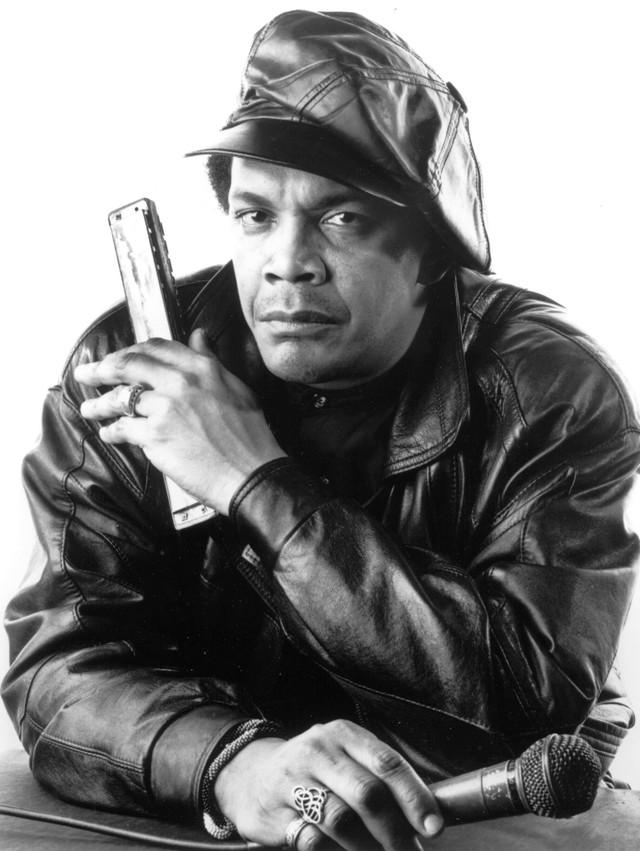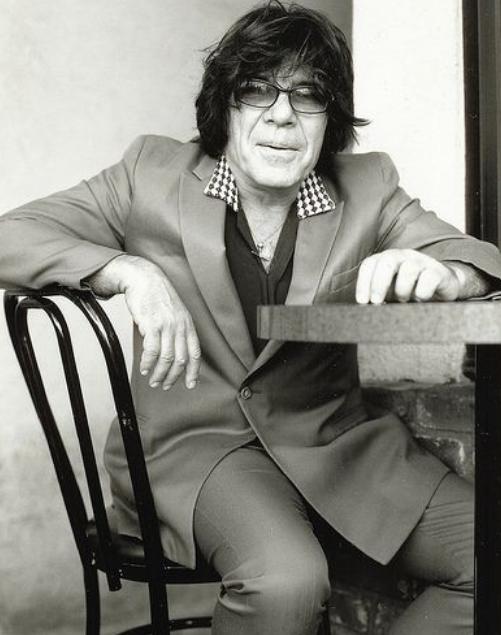
Bob Stewart

Jazz
Avant-garde Jazz
Jazz Fusion
 Viberate Rank: 442892
 Viberate Rank: 442892
 Monthly ListenersFollowers
 Subscribers
 Followers
 Followers
 FansTop Spotify Songs
| Track | 7-Day Streams | |
|---|---|---|
1 | 2.54K | |
2 | 760 | |
3 | 39 | |
4 | 33 | |
5 | 31 |
Top YouTube VideosMonthly ListenersFeatured in Playlists| Playlist | Followers | |
|---|---|---|
1 |  Acoustic Blues Spotify | 873.88K |
2 |  Jazz-Funk Spotify | 425.82K |
3 |  This Is Taj Mahal Spotify | 17.34K |
4 |  Here & Now DJ Sessions from NPR and WBUR (updated weekly) Here & Now | 10.97K |
5 |  Soft Jazz, So Sweet Arkadia Records | 6.80K |
Audience| City | Monthly Listeners | |
|---|---|---|
1 |  | 102 |
2 | | 100 |
3 |  | 90 |
4 |  | 70 |
5 |  | 66 |
See full performance history, audience data, playlist activity, rankings, comparisons, and more in Viberate music analytics. Start with a free trial, then continue with a paid plan.
Bob Stewart’s Spotify BioA virtuoso tuba player, Bob Stewart's solos explore his instrument's full range and show its ability to serve as both lead and support within the jazz ensemble. He rivals Howard Johnson in terms of demonstrating depth, facility, and imagination on tuba. Stewart began playing trumpet at ten, and studied trumpet and tuba at the Philadelphia College of the Performing Arts. He taught in the public school system in Pennsylvania, then later played in a traditional jazz band at a Philadelphia club. Stewart moved to New York in the late '60s, and joined the tuba ensemble Substructure. He played with Carla Bley, Frank Foster's Loud Minority, and the orchestras of Sam Rivers and Gil Evans in the late '60s. Stewart was a featured member of Arthur Blythe's mid-'70s band that recorded for Columbia, and also worked with the Globe Unity Orchestra, Charles Mingus, and McCoy Tyner. Stewart played with David Murray's big band, Lester Bowie's Brass Fantasy, and Henry Threadgill's orchestra in the '80s… and into the '90s, in addition to performing with Howard Johnson's all-tuba group Gravity. ~ Ron Wynn, Rovi
Viberate is a music analytics platform built for A&Rs, artist managers, labels, booking agents, marketers, and artists.
It helps music professionals track artist growth, analyze audience data, monitor playlist activity, compare artists, follow song performance, and identify opportunities across the music market.
Public artist pages provide a free preview of selected artist data. Paid plans provide access to deeper analytics, historical data, charts, comparisons, playlist tools, exports, alerts, reports, and additional professional features.
Yes. Public Viberate artist pages provide selected artist analytics and music data for free.
Viberate also offers a 7-day free trial of the full platform. A credit card is required to start the trial. The trial includes access to the complete product so users can test deeper artist analytics, historical views, playlist insights, comparisons, charts, exports, alerts, and reporting features before choosing a paid plan.
Viberate provides artist analytics across streaming, playlists, social media, video, radio airplay, songs, and audience markets.
Users can analyze Spotify performance, Spotify and Apple Music playlists, YouTube activity, TikTok and Instagram growth, radio spins, song performance, audience locations, demographics, rankings, and overall artist momentum.
Artist profiles also connect to music charts, similar artists, and comparison tools, helping users benchmark performance and evaluate artists in context.
Viberate updates key artist and track data daily.
For followed artists and tracks, selected data is refreshed multiple times per day. This helps teams monitor playlist changes, streaming movement, audience growth, releases, and campaign performance with more current data.
Update frequency can vary depending on the metric and data source.
Yes. Viberate lets users compare up to five artists side by side across streaming, social media, audience, and engagement metrics.
Users can compare fanbase growth, audience demographics, locations, Spotify performance, social metrics, and other artist data over selected time periods.
Artist comparison can be used for A&R scouting, benchmarking, booking decisions, campaign planning, and evaluating artists with similar audiences or market positions.