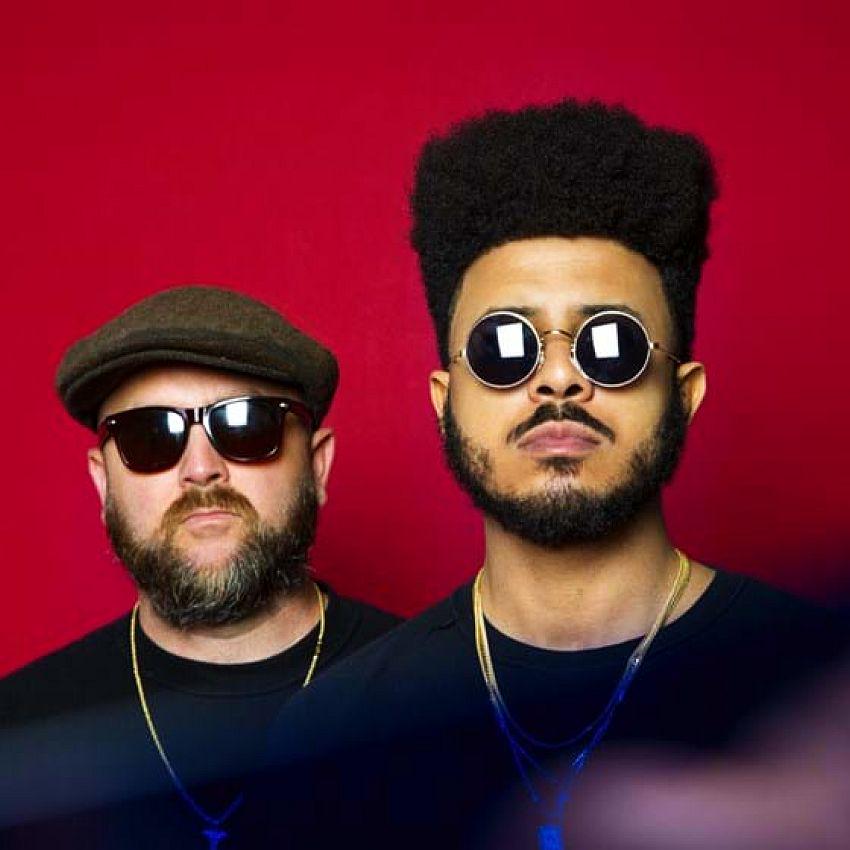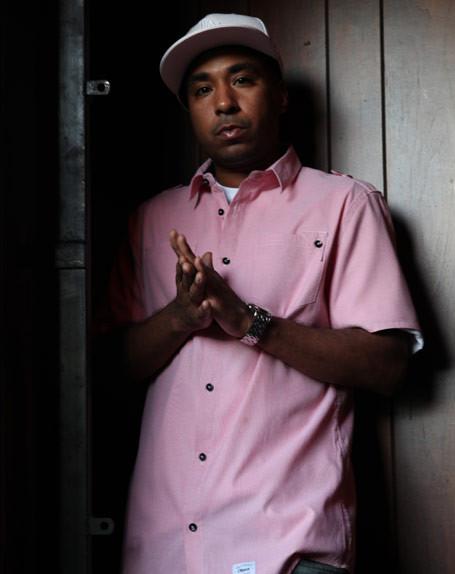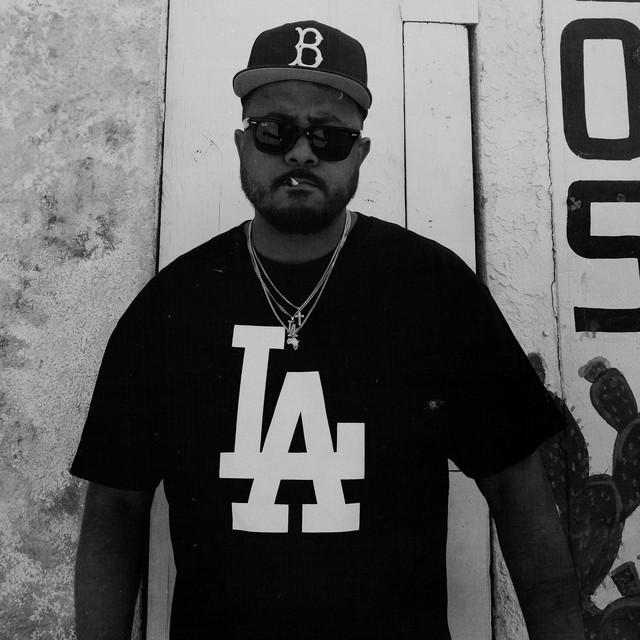
Blu

Hip Hop
Alternative Hip Hop
Contemporary Hip Hop
 Viberate Rank: 46537
 Viberate Rank: 46537
 Monthly ListenersFollowers
 Subscribers
 Followers
 Followers
 FansTop Spotify Songs
| Track | 7-Day Streams | |
|---|---|---|
1 | 50.43K | |
2 | 33.07K | |
3 | 26.65K | |
4 | 10.40K | |
5 | 6.33K |
Top YouTube VideosMonthly ListenersFeatured in Playlists| Playlist | Followers | |
|---|---|---|
1 |  Jazz Rap Spotify | 1.60M |
2 |  Mellow Bars Spotify | 1.40M |
3 |  New Joints Spotify | 398.54K |
4 |  Rap Ice PopFiltr | 396.98K |
5 |  GYM TRAP🔥 | WORKOUT BOOST 💪 Gym Trap | 339.44K |
Audience| City | Monthly Listeners | |
|---|---|---|
1 | | 8.71K |
2 |  | 6.57K |
3 | | 5.99K |
4 | | 5.72K |
5 |  | 4.55K |
See full performance history, audience data, playlist activity, rankings, comparisons, and more in Viberate music analytics. Start with a free trial, then continue with a paid plan.
Blu’s Spotify BioWith his charismatic SoCal everyman demeanor, Blu was championed at the outset of his recording career when he collaborated with Emanon DJ/producer Exile for the highly acclaimed LP Below the Heavens (2007). While the album became so well-regarded that Blu and Exile performed it in its entirety a decade later, Blu has never relied on its reputation, typically releasing multiple full-length projects each year since his emergence from the West Coast underground. He hit Billboard's Top R&B/Hip-Hop Albums chart with another Exile collaboration, Give Me My Flowers While I Can Still Smell Them (2012), and did it again with Good to Be Home (2014). Since then, his discography has grown at an even faster rate, highlighted by LPs recorded with the likes of MED and Madlib (2015's Bad Neighbor), Nottz (2018's Gods in the Spirit, Titans in the Flesh), and Oh No (2019's A Long Red Hot Los Angeles Summer Night). He also reunited with Exile for the 2020 set Miles.
Born Johnson Barnes in Inglewood,… California, Blu, whose stepfather was a pastor, was influenced by gospel and Christian rap when he was developing his MC skills in middle and high school. His musical turning point came when he heard the Common classic "I Used to Love H.E.R." (1994), as well as the Chicago MC's third album, One Day It'll All Make Sense (1997). From then on, Blu abandoned his schoolyard freestyle frame of mind and dedicated his abilities to crafting well-written songs. As he started doing live performances, he paid his dues working as a hype man for several underground rap and soul artists, including Slum Village, Steve Spacek, Platinum Pied Pipers, and Emanon. His relationship with Emanon member Exile and a newfound mindset in making music pointed him toward signing with L.A. independent Sound in Color in 2004, which for the young MC meant brushing off interest from Interscope and Death Row.
Subsequently, he cut a few tracks for Exile's Sound in Color album, Dirty Science (2006), recorded features for other L.A. artists, and self-pressed his Lifted EP (also 2006). When the Exile collaboration Below the Heavens (2007) hit shelves, the pair weren't all that well-known in underground hip-hop, but Blu's deft songwriting and Exile's soul-drenched, J Dilla-influenced production quickly amassed them a national audience. Below the Heavens ended up on critics' year-end lists and launched Blu into the public hip-hop eye. Remaining independent, Blu later turned to Sound in Color labelmate and L.A.-via-Detroit MC/producer Ta'Raach (formerly known as Lacks) for the collaborative project C.R.A.C. Knuckles. Over the next five years, Blu released a total of seven albums and mixtapes, including 2011's Open (2011) and Blu & Exile's Give Me My Flowers While I Can Still Smell Them (2012). The previously unreleased albums Her Favorite Colo(U)r (2011) and NoYork! (2013) also finally saw proper release during this period.
For the rest of the 2010s, Blu was no less productive and still favored collaborative albums. These sessions included Good to Be Home (produced by Bombay; 2014), the MED and Madlib team-up Bad Neighbor (2015), Gods in the Spirit, Titans in the Flesh (produced by Nottz; 2018), and The Blueprint (co-billed with Shafiq Husayn; also 2018). During the last year of that decade alone, Blu joined Oh No for A Long Red Hot Los Angeles Summer Night, reconvened with Exile for True & Livin', and with Damu the Fudgemunk made Ground & Water. At least a dozen EPs and mixtapes were issued in the same period. Another Blu & Exile LP, Miles, arrived in 2020 with the collaborative Mickey Factz and Nottz EP, The Narrative, arriving the next year. He also peppered his schedule with a variety of singles. ~ Cyril Cordor, Rovi
Viberate is a music analytics platform built for A&Rs, artist managers, labels, booking agents, marketers, and artists.
It helps music professionals track artist growth, analyze audience data, monitor playlist activity, compare artists, follow song performance, and identify opportunities across the music market.
Public artist pages provide a free preview of selected artist data. Paid plans provide access to deeper analytics, historical data, charts, comparisons, playlist tools, exports, alerts, reports, and additional professional features.
Yes. Public Viberate artist pages provide selected artist analytics and music data for free.
Viberate also offers a 7-day free trial of the full platform. A credit card is required to start the trial. The trial includes access to the complete product so users can test deeper artist analytics, historical views, playlist insights, comparisons, charts, exports, alerts, and reporting features before choosing a paid plan.
Viberate provides artist analytics across streaming, playlists, social media, video, radio airplay, songs, and audience markets.
Users can analyze Spotify performance, Spotify and Apple Music playlists, YouTube activity, TikTok and Instagram growth, radio spins, song performance, audience locations, demographics, rankings, and overall artist momentum.
Artist profiles also connect to music charts, similar artists, and comparison tools, helping users benchmark performance and evaluate artists in context.
Viberate updates key artist and track data daily.
For followed artists and tracks, selected data is refreshed multiple times per day. This helps teams monitor playlist changes, streaming movement, audience growth, releases, and campaign performance with more current data.
Update frequency can vary depending on the metric and data source.
Yes. Viberate lets users compare up to five artists side by side across streaming, social media, audience, and engagement metrics.
Users can compare fanbase growth, audience demographics, locations, Spotify performance, social metrics, and other artist data over selected time periods.
Artist comparison can be used for A&R scouting, benchmarking, booking decisions, campaign planning, and evaluating artists with similar audiences or market positions.