bloodlet

Metal
Doom/Sludge Metal
Metalcore/Deathcore
 Viberate Rank: 326412
 Viberate Rank: 326412
 Monthly ListenersFollowers
 Subscribers
 Followers
 Followers
 FansTop Spotify Songs
| Track | 7-Day Streams | |
|---|---|---|
1 | 433 | |
2 | 273 | |
3 | 189 | |
4 | 152 | |
5 | 109 |
Top YouTube Videos| Video | 7-Day Views | |
|---|---|---|
1 | 28 | |
2 | 24 |
Monthly ListenersFeatured in Playlists| Playlist | Followers | |
|---|---|---|
1 | What Killed Metalcore? finnmckenty | 6.25K |
2 | STEVE ALBINI Sorgesalmen | 5.87K |
3 |  Early Metalcore (1989 - 2002) Antonio Leal Filho | 3.41K |
4 |  2022 Hardcore Releases No Echo | 2.29K |
5 |  Metallic Hardcore No Echo | 2.23K |
Audience| City | Monthly Listeners | |
|---|---|---|
1 | | 50 |
2 | | 39 |
3 | | 36 |
4 | | 36 |
5 | | 36 |
See full performance history, audience data, playlist activity, rankings, comparisons, and more in Viberate music analytics. Start with a free trial, then continue with a paid plan.
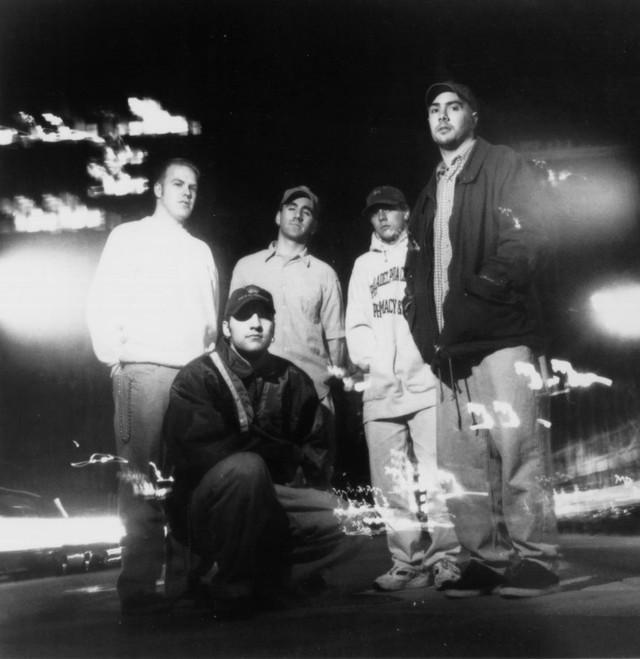
bloodlet’s Spotify BioHeavy metal and hardcore has been joining forces since the ‘80s (Bad Brains, Biohazard, etc.), but new sub-genres continue to emerge, such as ‘Evil Core,' founded by the Southern Florida quartet Bloodlet. Formed in 1992 and comprised of members Scott Angelacos (vocals), Matt Easley (guitar), Art Legre (bass), and John Stewart Jr. (drums), Bloodlet specializes in a form of hard core that's even more angst ridden and brutal than most of their counterparts. Issuing several singles straight away, Bloodlet signed on with the renowned hardcore label Victory not long after their formation, resulting in a trio of releases during the mid to late ‘90s -- 1995's Eclectic (a compilation of their aforementioned early singles), 1996's Entheogen, and 1998's Seraphim Fall, before splitting up. Little was heard from Bloodlet's former members, as most dispersed to other locales. But during their retirement, several up and coming hardcore groups began name checking Bloodlet as an important influence… (especially Eighteen Visions, among others), and by late 2001, Bloodlet had reunited and was rehearsing once more. Hooking up with renowned indie producer Steve Albini, Bloodlet issued their fourth release overall in 2002, the hard hitting Three Humid Nights in the Cypress Trees -- picking up exactly where they'd left off several years earlier. ~ Greg Prato, Rovi
Viberate is a music analytics platform built for A&Rs, artist managers, labels, booking agents, marketers, and artists.
It helps music professionals track artist growth, analyze audience data, monitor playlist activity, compare artists, follow song performance, and identify opportunities across the music market.
Public artist pages provide a free preview of selected artist data. Paid plans provide access to deeper analytics, historical data, charts, comparisons, playlist tools, exports, alerts, reports, and additional professional features.
Yes. Public Viberate artist pages provide selected artist analytics and music data for free.
Viberate also offers a 7-day free trial of the full platform. A credit card is required to start the trial. The trial includes access to the complete product so users can test deeper artist analytics, historical views, playlist insights, comparisons, charts, exports, alerts, and reporting features before choosing a paid plan.
Viberate provides artist analytics across streaming, playlists, social media, video, radio airplay, songs, and audience markets.
Users can analyze Spotify performance, Spotify and Apple Music playlists, YouTube activity, TikTok and Instagram growth, radio spins, song performance, audience locations, demographics, rankings, and overall artist momentum.
Artist profiles also connect to music charts, similar artists, and comparison tools, helping users benchmark performance and evaluate artists in context.
Viberate updates key artist and track data daily.
For followed artists and tracks, selected data is refreshed multiple times per day. This helps teams monitor playlist changes, streaming movement, audience growth, releases, and campaign performance with more current data.
Update frequency can vary depending on the metric and data source.
Yes. Viberate lets users compare up to five artists side by side across streaming, social media, audience, and engagement metrics.
Users can compare fanbase growth, audience demographics, locations, Spotify performance, social metrics, and other artist data over selected time periods.
Artist comparison can be used for A&R scouting, benchmarking, booking decisions, campaign planning, and evaluating artists with similar audiences or market positions.