108

Punk
Hardcore Punk
Hardstyle/Hardcore
 Viberate Rank: 180972
 Viberate Rank: 180972
 Monthly ListenersFollowers
 Subscribers
 Followers
 Followers
 FansTop Spotify Songs
| Track | 7-Day Streams | |
|---|---|---|
1 | 740 | |
2 | 569 | |
3 | 392 | |
4 | 319 | |
5 | 253 |
Top YouTube VideosMonthly ListenersFeatured in Playlists| Playlist | Followers | |
|---|---|---|
1 |  Early Metalcore (1989 - 2002) Antonio Leal Filho | 3.41K |
2 |  RITUAL FM RADIO LAKA3000 | 2.74K |
3 |  EVERY KASANE TETO SONG Vee Naner | 2.25K |
4 |  Brooklyn Vegan Bertrand Florio | 2.17K |
5 |  90s HARDCORE Jean Paul | 1.79K |
Audience| City | Monthly Listeners | |
|---|---|---|
1 | | 122 |
2 |  | 99 |
3 | | 89 |
4 | | 79 |
5 | | 73 |
See full performance history, audience data, playlist activity, rankings, comparisons, and more in Viberate music analytics. Start with a free trial, then continue with a paid plan.
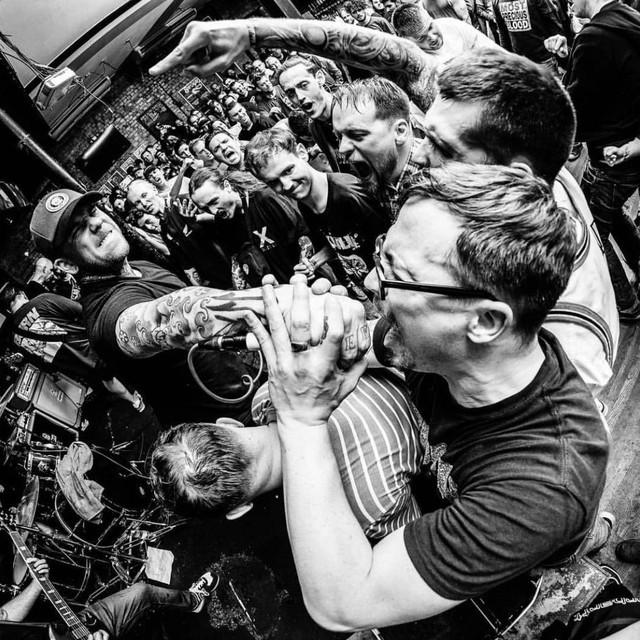
108’s Spotify BioGuitarist Vic DiCara, along with former Resurrection vocalist Robert "Rasaraja" Fish, was the driving engine behind 108, forming the East Coast-based band in 1992. DiCara was previously making waves on the West Coast with legendary hardcore metal group Inside Out, which also featured future Rage Against the Machine frontman Zack de la Rocha. The band was renowned for their frenetic live shows; their energy was captured in the studio on 1990's seminal No Spiritual Surrender EP. 108 furthered Inside Out's spiritual leanings in much more explicit terms, the direction an outgrowth of DiCara's study of Hinduism and professed adherence to the teachings of Hare Krsna. Despite being easy targets for criticism within the hardcore scene, 108 stayed true to their vision of devotional hardcore, releasing two EPs, two full-lengths, and a live album before breaking up in 1996. The band played their final show at CBGB's that summer, with DiCara returning to the area in summer 2001 to round out a new… incarnation of Burn. Drummer Chris Daly further went on to form influential emocore outfit Texas Is the Reason.
In summer 2005, 108 had plans to reunite to play Syracuse's annual Hellfest. Though the festival was ultimately cancelled two days before the show, the band decided to continue forward playing gigs again. The "essential" lineup of DiCara, Fish, Daly, and bassist Trivikrama Dasa pushed ahead with East and West Coast shows and began writing new material. Meanwhile, Equal Vision Records culled together the band's entire past discography into the two-disc Creation. Sustenance. Destruction., released in summer 2006. Later that month, 108 released a limited-edition EP entitled Oneoeight. Working in the studio with Converge's Kurt Ballou in early 2007, the guys -- now with drummer Tom Hogan on board -- completed their first album in over a decade with plans to release it through Deathwish, Inc. later that year. ~ Matthew Kantor, Rovi
Viberate is a music analytics platform built for A&Rs, artist managers, labels, booking agents, marketers, and artists.
It helps music professionals track artist growth, analyze audience data, monitor playlist activity, compare artists, follow song performance, and identify opportunities across the music market.
Public artist pages provide a free preview of selected artist data. Paid plans provide access to deeper analytics, historical data, charts, comparisons, playlist tools, exports, alerts, reports, and additional professional features.
Yes. Public Viberate artist pages provide selected artist analytics and music data for free.
Viberate also offers a 7-day free trial of the full platform. A credit card is required to start the trial. The trial includes access to the complete product so users can test deeper artist analytics, historical views, playlist insights, comparisons, charts, exports, alerts, and reporting features before choosing a paid plan.
Viberate provides artist analytics across streaming, playlists, social media, video, radio airplay, songs, and audience markets.
Users can analyze Spotify performance, Spotify and Apple Music playlists, YouTube activity, TikTok and Instagram growth, radio spins, song performance, audience locations, demographics, rankings, and overall artist momentum.
Artist profiles also connect to music charts, similar artists, and comparison tools, helping users benchmark performance and evaluate artists in context.
Viberate updates key artist and track data daily.
For followed artists and tracks, selected data is refreshed multiple times per day. This helps teams monitor playlist changes, streaming movement, audience growth, releases, and campaign performance with more current data.
Update frequency can vary depending on the metric and data source.
Yes. Viberate lets users compare up to five artists side by side across streaming, social media, audience, and engagement metrics.
Users can compare fanbase growth, audience demographics, locations, Spotify performance, social metrics, and other artist data over selected time periods.
Artist comparison can be used for A&R scouting, benchmarking, booking decisions, campaign planning, and evaluating artists with similar audiences or market positions.