Blood Raw

Hip Hop
Contemporary Hip Hop
 Viberate Rank: 68334
 Viberate Rank: 68334
 Monthly ListenersFollowers
 Subscribers
 Followers
 Followers
 FansTop Spotify Songs
| Track | 7-Day Streams | |
|---|---|---|
1 | 15.45K | |
2 | 4.18K | |
3 | 4.18K | |
4 | 2.77K | |
5 | 2.42K |
Top YouTube Videos| Video | 7-Day Views | |
|---|---|---|
1 | 1.79K | |
2 | 1.77K | |
3 | 1.26K | |
4 | 802 | |
5 | 768 |
Monthly ListenersFeatured in Playlists| Playlist | Followers | |
|---|---|---|
1 | Young Jeezy Greatest Hits eazy56st | 34.25K |
2 |  Trap Rap HipHop United Alfredo Roberto | 32.48K |
3 |  Songs for subs🔊 Simon Hodson | 25.61K |
4 | Best Hip-Hop Remixes Hector Torres | 11.70K |
5 |  Lil Wayne - Sorry 4 The Wait Jack Ross | 9.57K |
Audience| City | Monthly Listeners | |
|---|---|---|
1 | | 626 |
2 | | 362 |
3 | | 347 |
4 | | 321 |
5 | | 304 |
See full performance history, audience data, playlist activity, rankings, comparisons, and more in Viberate music analytics. Start with a free trial, then continue with a paid plan.
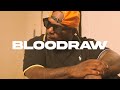
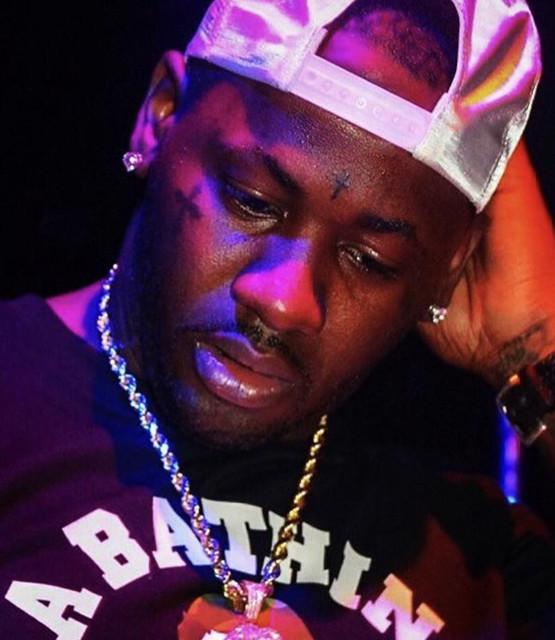
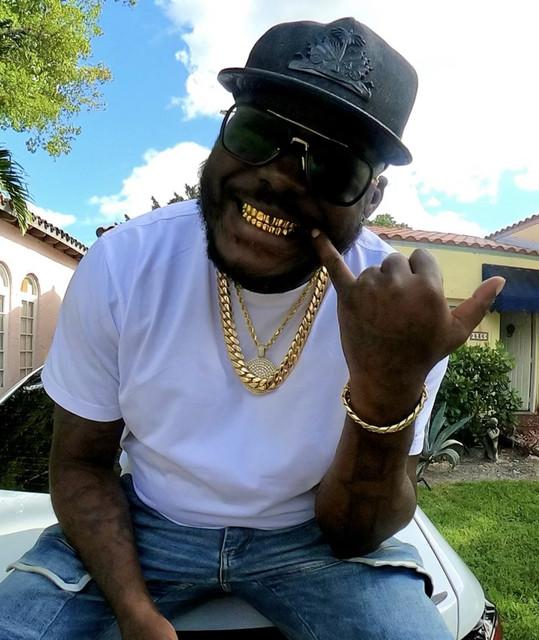
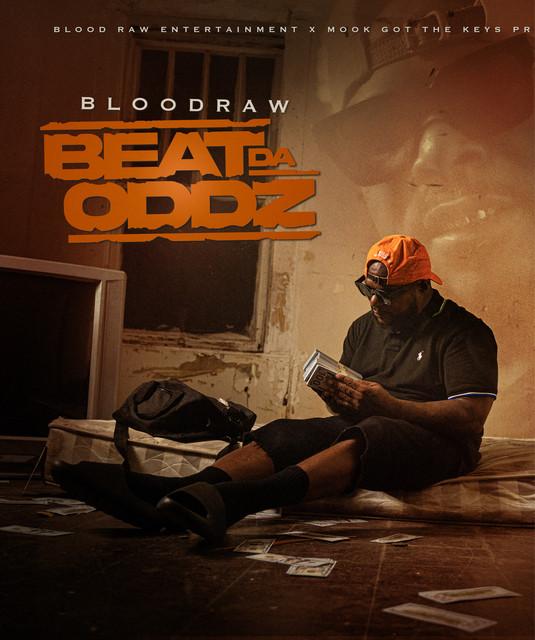
Blood Raw’s Spotify BioA member of Atlanta rapper Young Jeezy's coke-rap trio U.S.D.A., Panama City, FL, native Blood Raw (b. Bruce Falson) began his rap career while serving a six-year bid in Florida prison during the mid-‘90s. There he first developed his rhyme skills and earned the "Blood Raw" moniker (which is local slang for "the truth"). Upon his release in 1998, he relocated to Atlanta to work for his uncle at a local rap hotspot called the Hip-Hop Café. Inspired by the many up-and-coming acts that graced the venue, Blood Raw moved back to Panama City in 1999 to start a rap crew of his own. He eventually crossed paths with Young Jeezy performing at the same show as he in small town Dothan, AL. Deflecting interest from T.I.'s Grand Hustle imprint, Asylum, and other labels, Blood Raw joined Jeezy's U.S.D.A. outfit and signed with the Atlanta rapper's Corporate Thugz Entertainment (CTE) in 2004. Two years prior, the Panama City rapper had found himself in murky water again with the law, facing federal… drug-trafficking charges. However, he was acquitted of all counts in 2006, which was just in time to promote the official, U.S.D.A. Def Jam-released mixtape, Cold Summer (2007). He also hit the Southern mixtape scene with a few solo street albums, including the DJ Drama-assisted Indictment Papers and DJ Smallz-helmed The Street Love Blood Raw, in anticipation of his CTE debut. ~ Cyril Cordor, Rovi
Viberate is a music analytics platform built for A&Rs, artist managers, labels, booking agents, marketers, and artists.
It helps music professionals track artist growth, analyze audience data, monitor playlist activity, compare artists, follow song performance, and identify opportunities across the music market.
Public artist pages provide a free preview of selected artist data. Paid plans provide access to deeper analytics, historical data, charts, comparisons, playlist tools, exports, alerts, reports, and additional professional features.
Yes. Public Viberate artist pages provide selected artist analytics and music data for free.
Viberate also offers a 7-day free trial of the full platform. A credit card is required to start the trial. The trial includes access to the complete product so users can test deeper artist analytics, historical views, playlist insights, comparisons, charts, exports, alerts, and reporting features before choosing a paid plan.
Viberate provides artist analytics across streaming, playlists, social media, video, radio airplay, songs, and audience markets.
Users can analyze Spotify performance, Spotify and Apple Music playlists, YouTube activity, TikTok and Instagram growth, radio spins, song performance, audience locations, demographics, rankings, and overall artist momentum.
Artist profiles also connect to music charts, similar artists, and comparison tools, helping users benchmark performance and evaluate artists in context.
Viberate updates key artist and track data daily.
For followed artists and tracks, selected data is refreshed multiple times per day. This helps teams monitor playlist changes, streaming movement, audience growth, releases, and campaign performance with more current data.
Update frequency can vary depending on the metric and data source.
Yes. Viberate lets users compare up to five artists side by side across streaming, social media, audience, and engagement metrics.
Users can compare fanbase growth, audience demographics, locations, Spotify performance, social metrics, and other artist data over selected time periods.
Artist comparison can be used for A&R scouting, benchmarking, booking decisions, campaign planning, and evaluating artists with similar audiences or market positions.