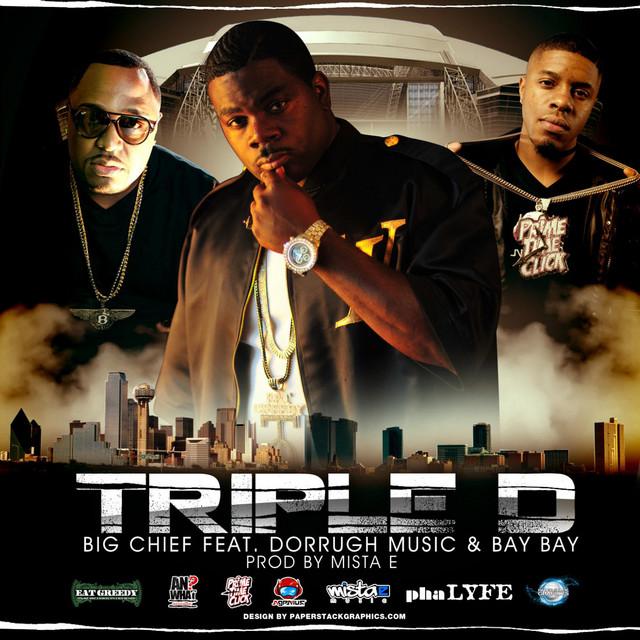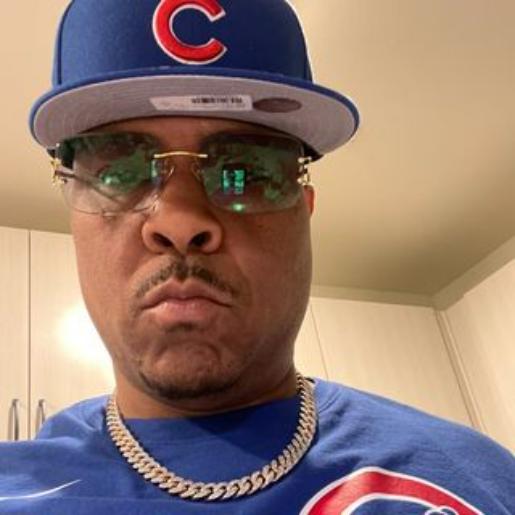
Max Minelli

Hip Hop
Contemporary Hip Hop
Alternative Hip Hop
 Viberate Rank: 123817
 Viberate Rank: 123817
 Monthly ListenersFollowers
 Subscribers
 Followers
 Followers
 FansTop Spotify Songs
| Track | 7-Day Streams | |
|---|---|---|
1 | 6.07K | |
2 | 3.29K | |
3 | 1.81K | |
4 | 972 | |
5 | 927 |
Top YouTube VideosMonthly ListenersFeatured in Playlists| Playlist | Followers | |
|---|---|---|
1 |  Bad For Me Kevin Gates | 79.66K |
2 |  2011 Hits ThrowbackTracks | 57.05K |
3 | Kevin gates-nasty🍆 Colinwemmer | 32.64K |
4 | Lil Boosie Greatest Hits Jay Griffin | 28.49K |
5 | TooshTunes Daltoosh | 12.96K |
Audience| City | Monthly Listeners | |
|---|---|---|
1 | | 423 |
2 | | 348 |
3 | | 270 |
4 | | 191 |
5 | | 123 |
See full performance history, audience data, playlist activity, rankings, comparisons, and more in Viberate music analytics. Start with a free trial, then continue with a paid plan.
Max Minelli’s Spotify BioBorn in New Orleans, rapper Max Minelli was raised in Southern California. A coworker of his mother owned a recording studio, so at the age of ten Minelli took his love of rap -- fueled mostly by Ice Cube's vicious AmeriKKKa's Most Wanted album -- and recorded his first song. He enjoyed the experience but soon moved back to Louisiana, losing his connection to the music industry. It was a disappointment and setback, but Minelli kept rapping. It paid off when he reached the age of 13 and met C-Loc, a successful Baton Rouge rapper who ran his own label. Minelli would join C-Loc's Concentration Camp crew and appear on numerous C-Loc Presents Camp releases, but when C-Loc landed in prison in 2000 Minelli was left to fend for himself. He began releasing solo albums with the help of his Concentration Camp brothers J-Von and up-and-coming producer Happy Perez, who would soon find fame working with rapper Baby Bash. Minelli began to break with his 2005 release Get Served, a Southern favorite… that drew the attention of the Koch label. He signed with the label in 2006 and began releasing a series of mixtapes to promote his next official release. With Perez as executive producer, Minelli released Remedy on Koch in 2008. ~ David Jeffries, Rovi
Viberate is a music analytics platform built for A&Rs, artist managers, labels, booking agents, marketers, and artists.
It helps music professionals track artist growth, analyze audience data, monitor playlist activity, compare artists, follow song performance, and identify opportunities across the music market.
Public artist pages provide a free preview of selected artist data. Paid plans provide access to deeper analytics, historical data, charts, comparisons, playlist tools, exports, alerts, reports, and additional professional features.
Yes. Public Viberate artist pages provide selected artist analytics and music data for free.
Viberate also offers a 7-day free trial of the full platform. A credit card is required to start the trial. The trial includes access to the complete product so users can test deeper artist analytics, historical views, playlist insights, comparisons, charts, exports, alerts, and reporting features before choosing a paid plan.
Viberate provides artist analytics across streaming, playlists, social media, video, radio airplay, songs, and audience markets.
Users can analyze Spotify performance, Spotify and Apple Music playlists, YouTube activity, TikTok and Instagram growth, radio spins, song performance, audience locations, demographics, rankings, and overall artist momentum.
Artist profiles also connect to music charts, similar artists, and comparison tools, helping users benchmark performance and evaluate artists in context.
Viberate updates key artist and track data daily.
For followed artists and tracks, selected data is refreshed multiple times per day. This helps teams monitor playlist changes, streaming movement, audience growth, releases, and campaign performance with more current data.
Update frequency can vary depending on the metric and data source.
Yes. Viberate lets users compare up to five artists side by side across streaming, social media, audience, and engagement metrics.
Users can compare fanbase growth, audience demographics, locations, Spotify performance, social metrics, and other artist data over selected time periods.
Artist comparison can be used for A&R scouting, benchmarking, booking decisions, campaign planning, and evaluating artists with similar audiences or market positions.