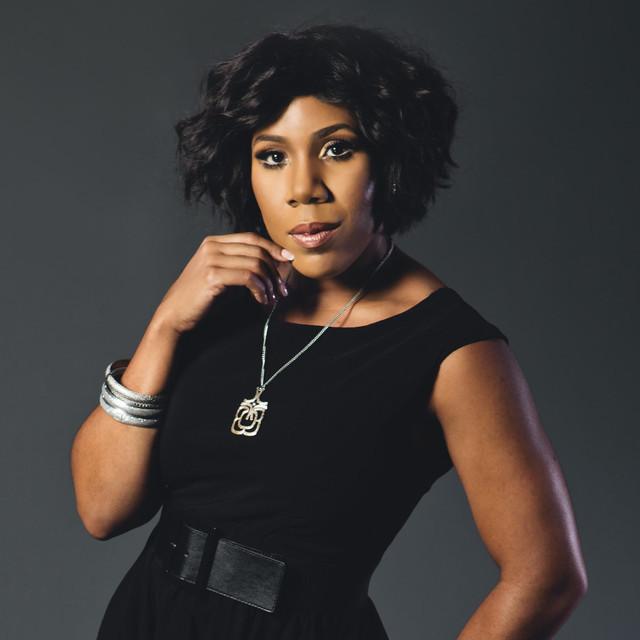
Blake Lewis

Pop
Mainstream Pop
j-pop
 Viberate Rank: 127164
 Viberate Rank: 127164
 Monthly ListenersFollowers
 Subscribers
 Followers
 Followers
 FansTop Spotify Songs
| Track | 7-Day Streams | |
|---|---|---|
1 | 6.16K | |
2 | 1.77K | |
3 | 1.09K | |
4 | 837 | |
5 | 619 |
Top YouTube VideosMonthly ListenersFeatured in Playlists| Playlist | Followers | |
|---|---|---|
1 | Postmodern Jukebox Original domslade83 | 188.20K |
2 |  This Is Postmodern Jukebox Spotify | 118.66K |
3 |  Postmodern Jukebox Radio (Complete PMJ Playlist) scott bradlee's postmodern jukebox | 92.66K |
4 |  Postmodern Jukebox 100prolegit | 78.75K |
5 | Zami Lee | 67.76K |
Audience| City | Monthly Listeners | |
|---|---|---|
1 |  | 357 |
2 |  | 284 |
3 | | 281 |
4 |  | 253 |
5 |  | 250 |
See full performance history, audience data, playlist activity, rankings, comparisons, and more in Viberate music analytics. Start with a free trial, then continue with a paid plan.
Blake Lewis’ Spotify BioThe musical story of Blake Lewis begins in the rich Seattle music scene in which "Bshorty" a moniker earned in his teens, soaked up a musical education in Seattle's a cappella, hip-hop, and rave scenes. He mastered the art of song writing, beatboxing, and began learning music production in both an a cappella group Kickshaw, and rap group, Unexpected Arrival. With his rap group, Blake received his first taste of recognition when their hit “Take Control” dominated Seattle radio at age 19.
It was his magnetic rise to stardom on season 6 of American Idol that captured international attention. He was a natural standout, introducing America to the art of beatboxing. His debut album Audio Day Dream landed him in the top ten of Billboard’s Top 100. His follow up record, the chart topping Heartbreak on Vinyl, secured Blake two #1 Billboard Dance singles and solidified his status as a producer.
Blake has hit the ground running as a songwriter, performer, beatboxer and producer. Having produced 2… of his own albums to critical acclaim, Blake has had the pleasure of collaborating with YouTube sensation Postmodern Jukebox, creating multiple videos with millions of views. When he isn’t performing or writing, Blake focuses his time on giving master beatboxing clinics and producing artists such as rising star Olivia Kuper Harris (The Voice Season 29) and Sun Spin. His current project the Private Language, is a modern mixture of funk, dance and electronic music.
Viberate is a music analytics platform built for A&Rs, artist managers, labels, booking agents, marketers, and artists.
It helps music professionals track artist growth, analyze audience data, monitor playlist activity, compare artists, follow song performance, and identify opportunities across the music market.
Public artist pages provide a free preview of selected artist data. Paid plans provide access to deeper analytics, historical data, charts, comparisons, playlist tools, exports, alerts, reports, and additional professional features.
Yes. Public Viberate artist pages provide selected artist analytics and music data for free.
Viberate also offers a 7-day free trial of the full platform. A credit card is required to start the trial. The trial includes access to the complete product so users can test deeper artist analytics, historical views, playlist insights, comparisons, charts, exports, alerts, and reporting features before choosing a paid plan.
Viberate provides artist analytics across streaming, playlists, social media, video, radio airplay, songs, and audience markets.
Users can analyze Spotify performance, Spotify and Apple Music playlists, YouTube activity, TikTok and Instagram growth, radio spins, song performance, audience locations, demographics, rankings, and overall artist momentum.
Artist profiles also connect to music charts, similar artists, and comparison tools, helping users benchmark performance and evaluate artists in context.
Viberate updates key artist and track data daily.
For followed artists and tracks, selected data is refreshed multiple times per day. This helps teams monitor playlist changes, streaming movement, audience growth, releases, and campaign performance with more current data.
Update frequency can vary depending on the metric and data source.
Yes. Viberate lets users compare up to five artists side by side across streaming, social media, audience, and engagement metrics.
Users can compare fanbase growth, audience demographics, locations, Spotify performance, social metrics, and other artist data over selected time periods.
Artist comparison can be used for A&R scouting, benchmarking, booking decisions, campaign planning, and evaluating artists with similar audiences or market positions.