Black Tide

Metal
Heavy Metal
Thrash Metal
Hard Rock
 Viberate Rank: 28373
 Viberate Rank: 28373
 Monthly ListenersFollowers
 Subscribers
 Followers
 Followers
 FansTop Spotify Songs
| Track | 7-Day Streams | |
|---|---|---|
1 | 11.26K | |
2 | 10.67K | |
3 | 9.89K | |
4 | 8.71K | |
5 | 6.23K |
Top YouTube Videos| Video | 7-Day Views | |
|---|---|---|
1 | 1.53K | |
2 | 1.41K | |
3 | 1.14K | |
4 | 942 | |
5 | 801 |
Monthly ListenersFeatured in Playlists| Playlist | Followers | |
|---|---|---|
1 |  Guitar Hero Live Playlist GuitarHero | 50.18K |
2 | EMO Myke Obasuyi Smith | 45.49K |
3 | TWrecks | 33.22K |
4 |  New Metal 90/2000s Henry Amoras | 28.43K |
5 | Reddit's Hype Playlist kfbest | 27.36K |
Audience| City | Monthly Listeners | |
|---|---|---|
1 |  | 2.10K |
2 |  | 1.97K |
3 |  | 1.30K |
4 |  | 1.08K |
5 | | 1.07K |
See full performance history, audience data, playlist activity, rankings, comparisons, and more in Viberate music analytics. Start with a free trial, then continue with a paid plan.
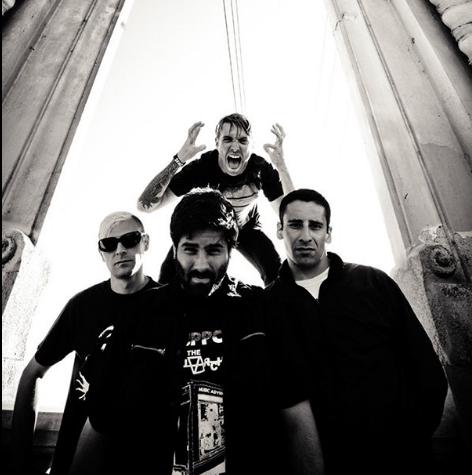
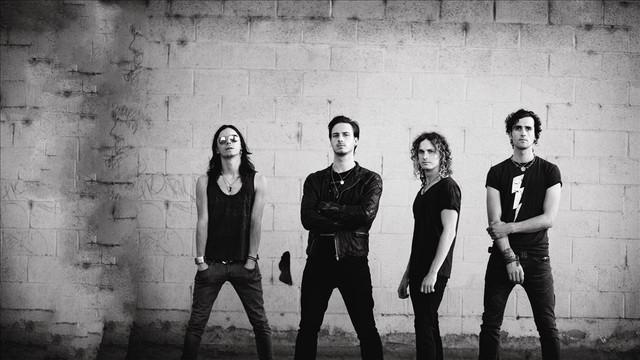
Black Tide’s Spotify BioAs mere teenagers ranging in age from 14 to 19 years old, Black Tide (formerly called Radio) share a surprising affinity for metal bands that hit their career peaks and vanished behind the curtain of grunge well before any members of the group were born. Citing guitar virtuosos Yngwie Malmsteen, Paul Gilbert, and Steve Vai as influences, as well as the more traditionally referenced metal trendsetters like Metallica and Slayer, the boys make heavy-hitting speed metal that would sit right at home in the mid-'80s, blaring over the opening credits of MTV's Headbanger's Ball. Bassist Zachary Sandler, drummer Steven Spence, and guitarists Gabriel Garcia and Alex Nunez got their big breaks when they were invited to play the main stage of Ozzfest in August of 2007. Swinging their long manes of black hair wildly and shredding explosively, they caught the attention of Interscope Records, which made plans to release their debut album, Light from Above, in early 2008, just after they started a… tour with Avenged Sevenfold. The album was released in March of that year and debuted at number 73 on the Billboard 200. The band tapped producers Josh Wilbur and GGGarth to helm their sophomore outing, Post Mortem, which was prefaced by the departure of Alex Nuñez and introduced new guitarist Austin Diaz. Bassist Sandler and drummer Spence were the next to leave the fold, and in 2015 the band issued Chasing Shadows, which featured the core lineup of Gabriel Garcia, Diaz, and drummer Cody Paige. ~ Jason Lymangrover, Rovi
Viberate is a music analytics platform built for A&Rs, artist managers, labels, booking agents, marketers, and artists.
It helps music professionals track artist growth, analyze audience data, monitor playlist activity, compare artists, follow song performance, and identify opportunities across the music market.
Public artist pages provide a free preview of selected artist data. Paid plans provide access to deeper analytics, historical data, charts, comparisons, playlist tools, exports, alerts, reports, and additional professional features.
Yes. Public Viberate artist pages provide selected artist analytics and music data for free.
Viberate also offers a 7-day free trial of the full platform. A credit card is required to start the trial. The trial includes access to the complete product so users can test deeper artist analytics, historical views, playlist insights, comparisons, charts, exports, alerts, and reporting features before choosing a paid plan.
Viberate provides artist analytics across streaming, playlists, social media, video, radio airplay, songs, and audience markets.
Users can analyze Spotify performance, Spotify and Apple Music playlists, YouTube activity, TikTok and Instagram growth, radio spins, song performance, audience locations, demographics, rankings, and overall artist momentum.
Artist profiles also connect to music charts, similar artists, and comparison tools, helping users benchmark performance and evaluate artists in context.
Viberate updates key artist and track data daily.
For followed artists and tracks, selected data is refreshed multiple times per day. This helps teams monitor playlist changes, streaming movement, audience growth, releases, and campaign performance with more current data.
Update frequency can vary depending on the metric and data source.
Yes. Viberate lets users compare up to five artists side by side across streaming, social media, audience, and engagement metrics.
Users can compare fanbase growth, audience demographics, locations, Spotify performance, social metrics, and other artist data over selected time periods.
Artist comparison can be used for A&R scouting, benchmarking, booking decisions, campaign planning, and evaluating artists with similar audiences or market positions.