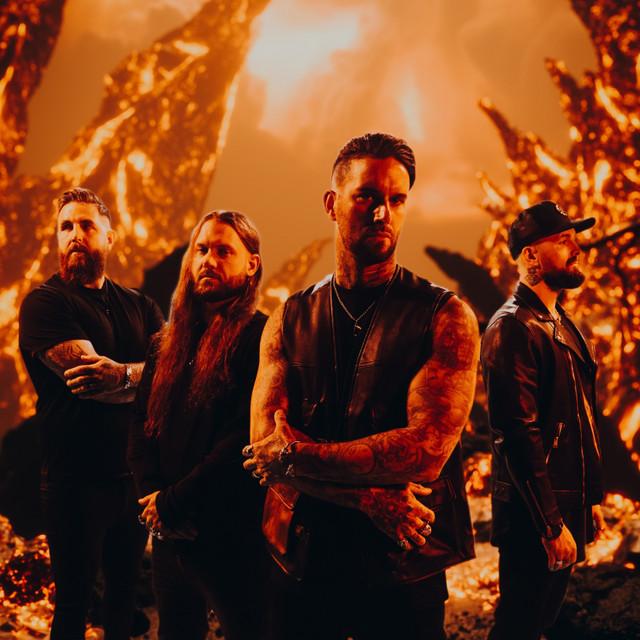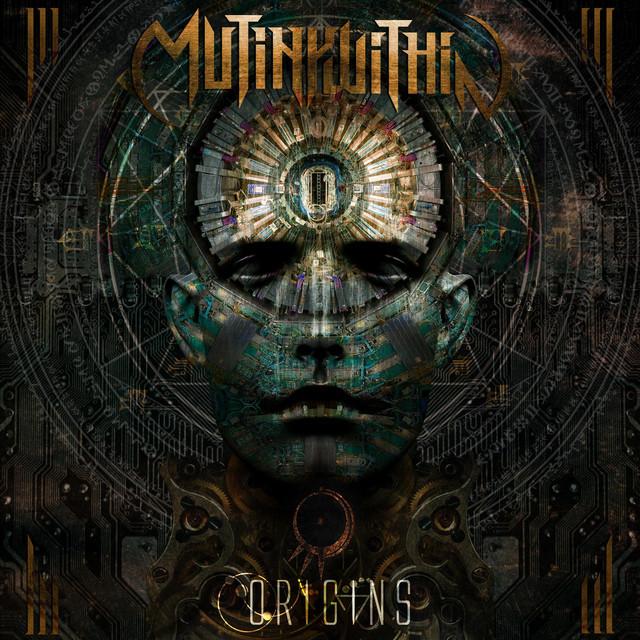
AxeWound

Metal
Groove Metal
Metalcore/Deathcore
 Viberate Rank: 222888
 Viberate Rank: 222888
 Monthly ListenersFollowers
 Subscribers
 Followers
 Followers
 FansTop Spotify Songs
| Track | 7-Day Streams | |
|---|---|---|
1 | 3.16K | |
2 | 1.45K | |
3 | 1.14K | |
4 | 680 | |
5 | 646 |
Top YouTube Videos| Video | 7-Day Views | |
|---|---|---|
1 | 835 | |
2 | 137 |
Monthly ListenersFeatured in Playlists| Playlist | Followers | |
|---|---|---|
1 |  Metal/Rock exsorz | 10.80K |
2 |  MOTIVAÇÃO MAROMBA (Treino Insano na Academia) Tonny Sullivan | 7.56K |
3 | Pipepunk Pipepunk | 5.96K |
4 | Rock music for gaming Dávid Hankószki | 4.39K |
5 | Train Hard Metal Rock Hip Hop faloks | 3.37K |
Audience| City | Monthly Listeners | |
|---|---|---|
1 | | 236 |
2 |  | 222 |
3 | | 153 |
4 |  | 127 |
5 |  | 115 |
See full performance history, audience data, playlist activity, rankings, comparisons, and more in Viberate music analytics. Start with a free trial, then continue with a paid plan.
AxeWound’s Spotify BioFormed in 2012 by Bullet for My Valentine's Matt Tuck and Pitchshifter's Jason Bowld, AxeWound came together after the pair bonded over their shared love of metal. Deciding they wanted to make an album, AxeWound rose to supergroup status after the pair recruited Cancer Bats' Liam Cormier, Glamour of the Kill's Mike Kingswood, and Rise to Remain's Joe Copcutt, creating a lineup of modern metalcore heavy-hitters to bring the project screaming into the world. Wanting to get away from the pressures and expectations of their other bands, the members of AxeWound explore a wide variety of sounds, with the band dabbling in thrash, groove metal, and metalcore, acting as a remedy to the homogeneity that can build up in the metal scene. With an easy songwriting chemistry, AxeWound worked quickly, writing an album's worth of material in under a month and making their full-length debut in 2012 with Vultures. ~ Gregory Heaney, Rovi
Viberate is a music analytics platform built for A&Rs, artist managers, labels, booking agents, marketers, and artists.
It helps music professionals track artist growth, analyze audience data, monitor playlist activity, compare artists, follow song performance, and identify opportunities across the music market.
Public artist pages provide a free preview of selected artist data. Paid plans provide access to deeper analytics, historical data, charts, comparisons, playlist tools, exports, alerts, reports, and additional professional features.
Yes. Public Viberate artist pages provide selected artist analytics and music data for free.
Viberate also offers a 7-day free trial of the full platform. A credit card is required to start the trial. The trial includes access to the complete product so users can test deeper artist analytics, historical views, playlist insights, comparisons, charts, exports, alerts, and reporting features before choosing a paid plan.
Viberate provides artist analytics across streaming, playlists, social media, video, radio airplay, songs, and audience markets.
Users can analyze Spotify performance, Spotify and Apple Music playlists, YouTube activity, TikTok and Instagram growth, radio spins, song performance, audience locations, demographics, rankings, and overall artist momentum.
Artist profiles also connect to music charts, similar artists, and comparison tools, helping users benchmark performance and evaluate artists in context.
Viberate updates key artist and track data daily.
For followed artists and tracks, selected data is refreshed multiple times per day. This helps teams monitor playlist changes, streaming movement, audience growth, releases, and campaign performance with more current data.
Update frequency can vary depending on the metric and data source.
Yes. Viberate lets users compare up to five artists side by side across streaming, social media, audience, and engagement metrics.
Users can compare fanbase growth, audience demographics, locations, Spotify performance, social metrics, and other artist data over selected time periods.
Artist comparison can be used for A&R scouting, benchmarking, booking decisions, campaign planning, and evaluating artists with similar audiences or market positions.