Black Grape

Rock
Funk Rock
Alternative Rock
 Viberate Rank: 92886
 Viberate Rank: 92886
 Monthly ListenersFollowers
 Subscribers
 Followers
 Followers
 FansTop Spotify Songs
| Track | 7-Day Streams | |
|---|---|---|
1 | 14.62K | |
2 | 11.54K | |
3 | 9.24K | |
4 | 3.82K | |
5 | 3.42K |
Top YouTube VideosMonthly ListenersFeatured in Playlists| Playlist | Followers | |
|---|---|---|
1 |  The Devil Wears Prada Soundtrack Larissa Francez | 92.64K |
2 |  BRITPOP: 100 best songs Juan Ceñal | 70.76K |
3 | NME's 500 Greatest Songs Of All Time NME | 37.52K |
4 |  The Haçienda Classics Jose Maria Badillo Martin | 34.95K |
5 | Best of the 90s / 90's / 1990s / 1990's phillipalcock | 23.04K |
Audience| City | Monthly Listeners | |
|---|---|---|
1 | | 6.12K |
2 | | 3.90K |
3 | | 2.10K |
4 | | 1.56K |
5 |  | 1.26K |
See full performance history, audience data, playlist activity, rankings, comparisons, and more in Viberate music analytics. Start with a free trial, then continue with a paid plan.
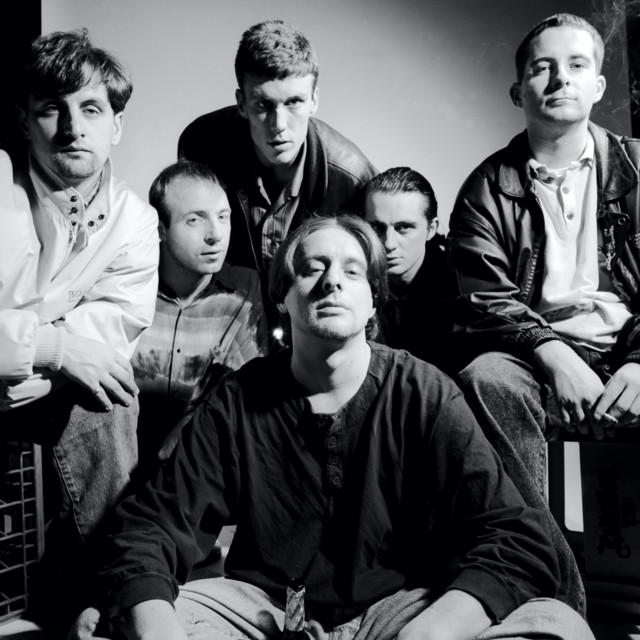
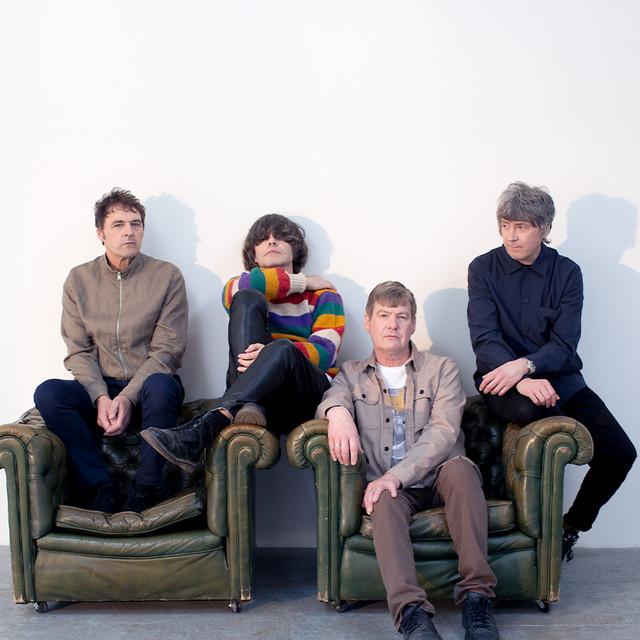
Black Grape’s Spotify BioWith Black Grape, Shaun Ryder expands the psychedelic dance-rock of his former band the Happy Mondays, buttressing their pop smarts and adding a heavier hip-hop influence thanks to the presence of rapper Kermit. These shifts in style helped make the group's 1995 debut It's Great When You're Straight…Yeah feel at home in the heady days of Brit-pop, leading to the Top Ten hits "Reverend Black Grape," "In the Name of the Father," and "Fat Neck." Black Grape's implosion coincided with the commercial collapse of Brit-pop. Stupid Stupid Stupid, their second album, slid down the charts in 1998 and the group split not long afterward. Ryder and Kermit revived Black Grape in the mid-2010s, releasing Pop Voodoo in 2017. It wasn't a one-off: the group toured for the 25th anniversary of It's Great When You're Straight, then released Orange Head in 2023.
Once Yes Please! ushered in the ignominious end of the Happy Mondays, vocalist Shaun Ryder and dancer Bez decamped to form Black Grape in 1993.… Recruiting Paul "Kermit" Leveridge and drummer Ged Lynch from the Ruthless Rap Assassins, as well as ex-Paris Angels guitarist Wags, Ryder and Bez began recording demos only weeks after the implosion of Happy Mondays. Over the course of recording and writing It's Great When You're Straight...Yeah, Ryder recruited a number of musicians, most notably producer and bassist Danny Saber, keyboardist/producer Stephen Lironi, and former Bluebells and Smiths guitarist Gary Gannon. Black Grape's debut album was recorded over a period of seven weeks in late 1994 and early 1995; after it was completed, the band signed with Radioactive Records. The group's first single, "Reverend Black Grape," entered the Top Ten upon its release. The group's debut album, It's Great When You're Straight...Yeah, was released in August of 1995. The album entered the U.K. charts at number one.
"In the Name of the Father" and "Kelly's Heroes" followed "Reverend Black Grape" into the Top 20 later in 1995. Toward the end of the year, Kermit suffered a severe case of septicemia, a form of blood poisoning caused by bad water he drank while in Mexico; although he came close to death -- bits of his heart and liver were flaking off -- he had recovered by the spring of 1996. Black Grape were prepared to head to America early in 1996 when the group was denied entry into the country due to its members' prior drug convictions. After a couple of months, the passports were cleared and the band was admitted into the U.S. Due to his illness, Kermit had to miss the tour, and his spot was filled by Psycho, who became a permanent member of the band after the completion of the tour. Before Black Grape launched their U.S. tour in spring of 1996, Bez left the band due to financial disagreements with the record company.
In May 1996, Black Grape returned with the single "Fat Neck," which entered the U.K. charts in the Top Ten; the song featured former Smiths member Johnny Marr on guitar. A month after the release of "Fat Neck," the group released its football anthem "England's Irie," which was recorded with Joe Strummer. Like "Fat Neck" before it, "England's Irie" became a Top Ten hit. Stupid, Stupid, Stupid followed in 1997.
Black Grape fell apart during the supporting tour for Stupid, Stupid, Stupid in 1998, with Ryder first firing Kermit, then letting the rest of the band go. Ryder returned to a re-formed Happy Mondays in 1999 and then spent the rest of the 2000s ping-ponging between solo projects and Mondays reunions. He, Kermit, and Danny Saber performed as Black Grape for a one-off concert in April 2010 but the group didn't really reunite until 2015, when they launched a tour celebrating the 20th anniversary of It's Great When You're Straight...Yeah; the album also received a deluxe reissue that year. Slowly, Black Grape became an active concern, with the band releasing the single "We Are England" in 2016, and then returning in August of 2017 with the full-length Pop Voodoo, which was preceded by the single "Everything You Know Is Wrong." Pop Voodoo wound up peaking at 15 on the U.K. charts.
A tour celebrating the 25th Anniversary of It's Great When You're Straight…Yeah happened in 2021, a year later than planned due to the COVID-19 pandemic. After it was finished, Ryder and Kermit completed Orange Head, a 2023 album featuring the singles "Pimp Wars" and "Milk." ~ Stephen Thomas Erlewine
Viberate is a music analytics platform built for A&Rs, artist managers, labels, booking agents, marketers, and artists.
It helps music professionals track artist growth, analyze audience data, monitor playlist activity, compare artists, follow song performance, and identify opportunities across the music market.
Public artist pages provide a free preview of selected artist data. Paid plans provide access to deeper analytics, historical data, charts, comparisons, playlist tools, exports, alerts, reports, and additional professional features.
Yes. Public Viberate artist pages provide selected artist analytics and music data for free.
Viberate also offers a 7-day free trial of the full platform. A credit card is required to start the trial. The trial includes access to the complete product so users can test deeper artist analytics, historical views, playlist insights, comparisons, charts, exports, alerts, and reporting features before choosing a paid plan.
Viberate provides artist analytics across streaming, playlists, social media, video, radio airplay, songs, and audience markets.
Users can analyze Spotify performance, Spotify and Apple Music playlists, YouTube activity, TikTok and Instagram growth, radio spins, song performance, audience locations, demographics, rankings, and overall artist momentum.
Artist profiles also connect to music charts, similar artists, and comparison tools, helping users benchmark performance and evaluate artists in context.
Viberate updates key artist and track data daily.
For followed artists and tracks, selected data is refreshed multiple times per day. This helps teams monitor playlist changes, streaming movement, audience growth, releases, and campaign performance with more current data.
Update frequency can vary depending on the metric and data source.
Yes. Viberate lets users compare up to five artists side by side across streaming, social media, audience, and engagement metrics.
Users can compare fanbase growth, audience demographics, locations, Spotify performance, social metrics, and other artist data over selected time periods.
Artist comparison can be used for A&R scouting, benchmarking, booking decisions, campaign planning, and evaluating artists with similar audiences or market positions.