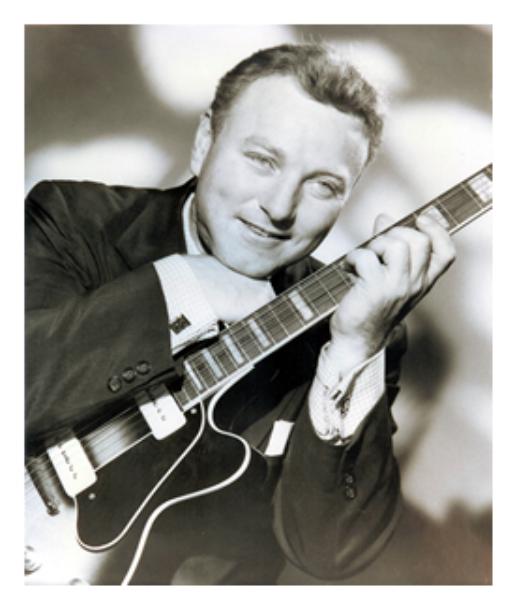
Billy Bauer

Jazz
Bebop
Swing
 Viberate Rank: 336563
 Viberate Rank: 336563
 Monthly ListenersFollowers
 Subscribers
 Followers
 Followers
 FansTop Spotify Songs
| Track | 7-Day Streams | |
|---|---|---|
1 | 3.28K | |
2 | 2.14K | |
3 | 937 | |
4 | 215 | |
5 | 215 |
Top YouTube VideosMonthly ListenersFeatured in Playlists| Playlist | Followers | |
|---|---|---|
1 |  Indications' Inspirations Durand Jones & The Indications | 35.68K |
2 |  Haruki Murakami’s Late Night Jazz Music 𝘛𝘩𝘦 𝘗𝘦𝘯𝘴𝘪𝘷𝘦 𝘏𝘦𝘳𝘰𝘯 | 30.73K |
3 |  This Is Charles Mingus Spotify | 25.49K |
4 |  Background Music Matthew Meyer | 17.81K |
5 |  Dinner Jazz Verve Records | 16.02K |
Audience| City | Monthly Listeners | |
|---|---|---|
1 | | 287 |
2 | | 225 |
3 | | 186 |
4 |  | 160 |
5 | | 160 |
See full performance history, audience data, playlist activity, rankings, comparisons, and more in Viberate music analytics. Start with a free trial, then continue with a paid plan.
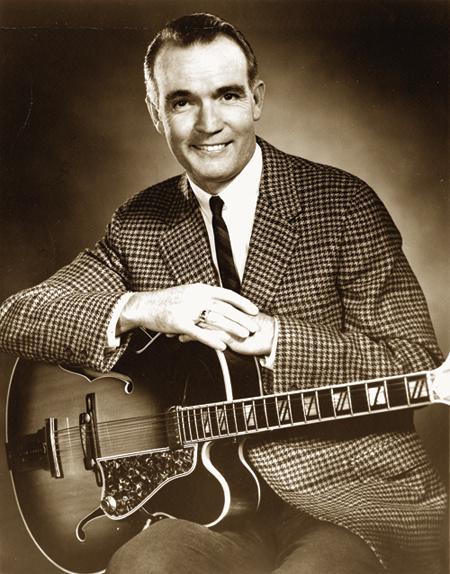
Billy Bauer’s Spotify BioGuitarist Billy Bauer was a critical force behind jazz's evolution from swing to bebop, his precise, progressive fretwork foreshadowing the emergence of cool jazz and even the avant-garde. Born in New York City on November 14, 1915, Bauer played banjo as a child but moved to guitar in his late teens, first earning notice behind clarinetist Jerry Wald. In 1941 he made his first recordings with Carl Hoff & His Orchestra -- three years later, Bauer signed on with Woody Herman's First Herd, with whom he cut a series of sessions, followed by stints in support of Benny Goodman and Jack Teagarden. The small groups that emerged from these big bands would prove Bauer's most fertile creative environment, however.
After brief collaborations with Chubby Jackson and Bill Harris, he teamed in 1946 with pianist Lennie Tristano, a three-year partnership that yielded the most inspired and influential work of the guitarist's career. Across a series of duet and trio recordings, Tristano and Bauer proved… uniquely complementary musicians, with Bauer's razor-honed guitar navigating Tristano's intricate arrangements with nimble ease. Together, both men were cited as leaders of the growing bop movement, and on recordings like "Intuition" and "Digression," they effectively created free jazz.
After ending his partnership with Tristano, Bauer found another kindred spirit in alto saxophonist Lee Konitz. Their collaboration reached its creative apex with the 1951 session Duet for Saxophone and Guitar, which expanded upon its unusual instrumental pairing to essentially redefine the role of jazz guitar. By now Bauer was regularly winning awards from the magazines Down Beat and Metronome, but he retained the humility and disdain of the limelight that would ultimately serve to marginalize his contributions to contemporary music -- only in 1956 did he cut Plectrist, the first and last studio recording released under his own name.
Bauer was instead happiest and most effective as a sideman, working with the likes of Milt Hinton and Pete Candoli. He also served with the NBC Staff Orchestra and taught at the New York Conservatory of Modern Music. During the last three decades of his life Bauer rarely recorded or performed live, instead channeling his energy into the Billy Bauer Guitar School, which he operated from a small office in Roslyn Heights, NY. In 1997 he published his autobiography, Sideman, and continued offering private lessons until just weeks prior to his death from pneumonia on June 17, 2005. ~ Jason Ankeny, Rovi
Viberate is a music analytics platform built for A&Rs, artist managers, labels, booking agents, marketers, and artists.
It helps music professionals track artist growth, analyze audience data, monitor playlist activity, compare artists, follow song performance, and identify opportunities across the music market.
Public artist pages provide a free preview of selected artist data. Paid plans provide access to deeper analytics, historical data, charts, comparisons, playlist tools, exports, alerts, reports, and additional professional features.
Yes. Public Viberate artist pages provide selected artist analytics and music data for free.
Viberate also offers a 7-day free trial of the full platform. A credit card is required to start the trial. The trial includes access to the complete product so users can test deeper artist analytics, historical views, playlist insights, comparisons, charts, exports, alerts, and reporting features before choosing a paid plan.
Viberate provides artist analytics across streaming, playlists, social media, video, radio airplay, songs, and audience markets.
Users can analyze Spotify performance, Spotify and Apple Music playlists, YouTube activity, TikTok and Instagram growth, radio spins, song performance, audience locations, demographics, rankings, and overall artist momentum.
Artist profiles also connect to music charts, similar artists, and comparison tools, helping users benchmark performance and evaluate artists in context.
Viberate updates key artist and track data daily.
For followed artists and tracks, selected data is refreshed multiple times per day. This helps teams monitor playlist changes, streaming movement, audience growth, releases, and campaign performance with more current data.
Update frequency can vary depending on the metric and data source.
Yes. Viberate lets users compare up to five artists side by side across streaming, social media, audience, and engagement metrics.
Users can compare fanbase growth, audience demographics, locations, Spotify performance, social metrics, and other artist data over selected time periods.
Artist comparison can be used for A&R scouting, benchmarking, booking decisions, campaign planning, and evaluating artists with similar audiences or market positions.