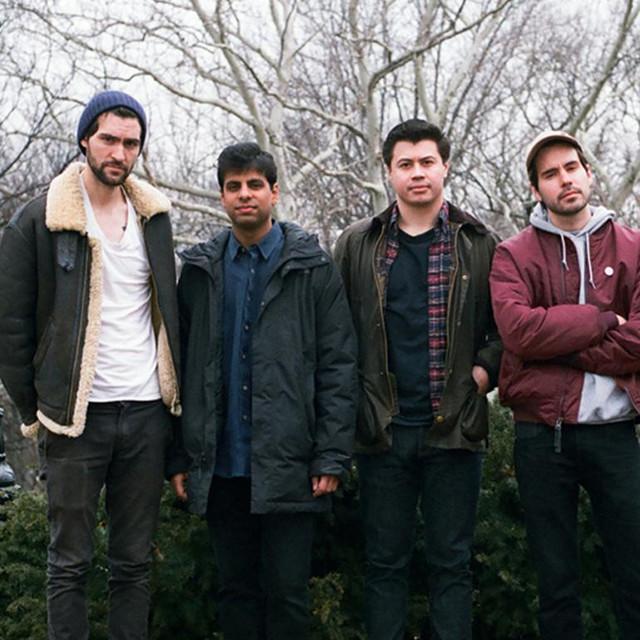
Big Ups

Punk
Punk Rock
Noise Rock
 Viberate Rank: 241531
 Viberate Rank: 241531
 Monthly ListenersFollowers
 Subscribers
 Followers
 Followers
 FansTop Spotify Songs
| Track | 7-Day Streams | |
|---|---|---|
1 | 933 | |
2 | 376 | |
3 | 96 | |
4 | 82 | |
5 | 66 |
Top YouTube VideosMonthly ListenersFeatured in Playlists| Playlist | Followers | |
|---|---|---|
1 |  KEXP's Song of the Day 2018 KEXP | 9.15K |
2 | TND Fav Tracks 2018 tndausten | 6.89K |
3 |  James Acaster 2016 Album Recommendations idkalaska | 5.63K |
4 |  KEXP RADIO BEST OF mrtanica | 4.50K |
5 |  Thrasher Magazine Luis Alberto Morales | 4.17K |
Audience| City | Monthly Listeners | |
|---|---|---|
1 | | 92 |
2 | | 76 |
3 | | 72 |
4 | | 64 |
5 | | 62 |
See full performance history, audience data, playlist activity, rankings, comparisons, and more in Viberate music analytics. Start with a free trial, then continue with a paid plan.
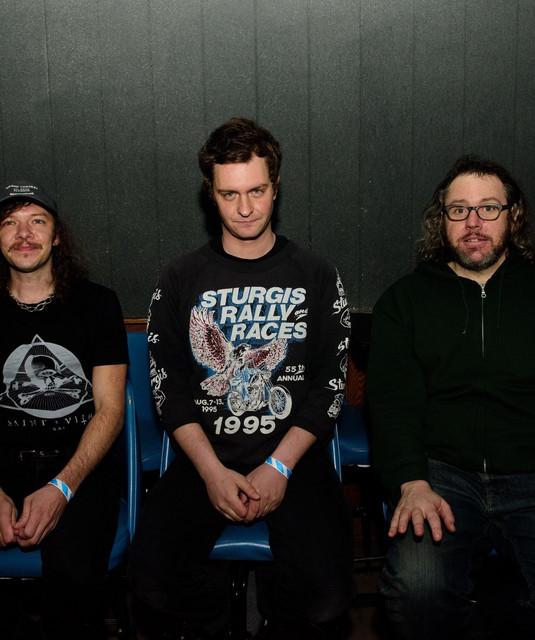
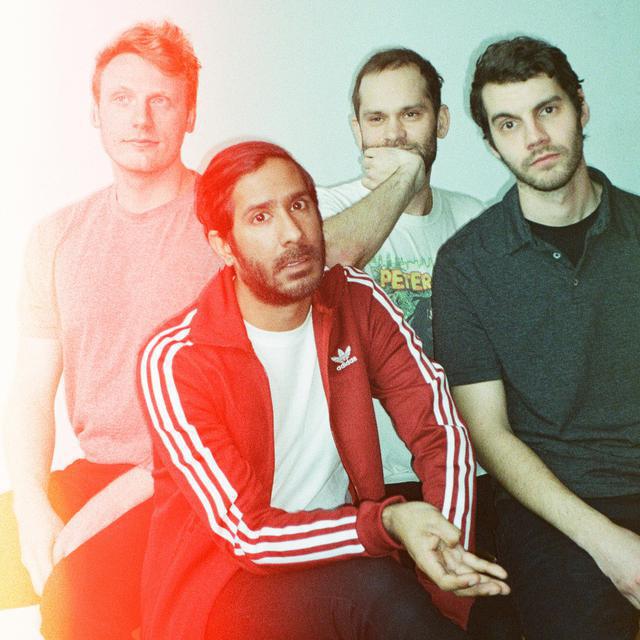
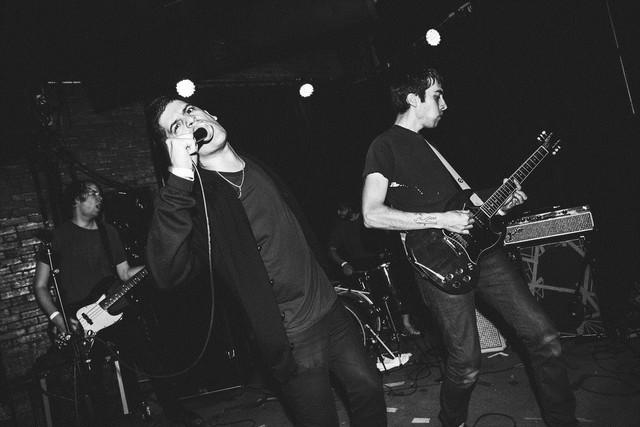
Big Ups’ Spotify BioFormed in Brooklyn, New York in 2010 -- after Joe Galarraga (vocals), Amar Lal (guitar), Carlos Salguero, Jr. (bass), and Brendan Finn (drums) met while studying a technology course at New York University -- Big Ups originally started out as a witty punk outfit, but after realizing that particular sound wasn't for them, the bandmembers headed in a harsher, more serious direction. Their first release came just a year after forming -- in the shape of the 7" single Wake Up on ECB&B -- and with live dates under their belts, Big Ups started earning comparisons to the Descendents, Fugazi, and Moss Icon. Although never really entertaining the idea of releasing a full-length album, Big Ups were approached by Dead Labour Records about releasing one, and with songs already written, the band entered the studio for three days with Charles DeChants in January 2013. A split single with Flagland was issued just a month later -- once again on ECB&B -- and after nearly a year their debut album,… Eighteen Hours of Static, finally saw the light of day in January 2014. The band's sophomore studio outing, Before a Million Universes, followed in early 2016, tackling themes dealing with the individual against society. Released in 2018, Big Ups' third outing, Two Parts Together, began to incorporate the studio as an additional tool in the band's paintbox, adding elements like field recordings, harmonium, strings, and instrumental interludes. ~ Rich Wilson, Rovi
Viberate is a music analytics platform built for A&Rs, artist managers, labels, booking agents, marketers, and artists.
It helps music professionals track artist growth, analyze audience data, monitor playlist activity, compare artists, follow song performance, and identify opportunities across the music market.
Public artist pages provide a free preview of selected artist data. Paid plans provide access to deeper analytics, historical data, charts, comparisons, playlist tools, exports, alerts, reports, and additional professional features.
Yes. Public Viberate artist pages provide selected artist analytics and music data for free.
Viberate also offers a 7-day free trial of the full platform. A credit card is required to start the trial. The trial includes access to the complete product so users can test deeper artist analytics, historical views, playlist insights, comparisons, charts, exports, alerts, and reporting features before choosing a paid plan.
Viberate provides artist analytics across streaming, playlists, social media, video, radio airplay, songs, and audience markets.
Users can analyze Spotify performance, Spotify and Apple Music playlists, YouTube activity, TikTok and Instagram growth, radio spins, song performance, audience locations, demographics, rankings, and overall artist momentum.
Artist profiles also connect to music charts, similar artists, and comparison tools, helping users benchmark performance and evaluate artists in context.
Viberate updates key artist and track data daily.
For followed artists and tracks, selected data is refreshed multiple times per day. This helps teams monitor playlist changes, streaming movement, audience growth, releases, and campaign performance with more current data.
Update frequency can vary depending on the metric and data source.
Yes. Viberate lets users compare up to five artists side by side across streaming, social media, audience, and engagement metrics.
Users can compare fanbase growth, audience demographics, locations, Spotify performance, social metrics, and other artist data over selected time periods.
Artist comparison can be used for A&R scouting, benchmarking, booking decisions, campaign planning, and evaluating artists with similar audiences or market positions.