Big Audio Dynamite

Rock
Alternative Rock
Pop Rock
 Viberate Rank: 54807
 Viberate Rank: 54807
 Monthly ListenersFollowers
 Subscribers
 Followers
 Followers
 FansTop Spotify Songs
| Track | 7-Day Streams | |
|---|---|---|
1 | 41.72K | |
2 | 35.69K | |
3 | 14.86K | |
4 | 10.06K | |
5 | 6.63K |
Top YouTube Videos| Video | 7-Day Views | |
|---|---|---|
1 | 6.90K | |
2 | 3.97K | |
3 | 2.02K | |
4 | 1.99K | |
5 | 1.66K |
Monthly ListenersFeatured in Playlists| Playlist | Followers | |
|---|---|---|
1 |  Alternative 80s Spotify | 2.11M |
2 |  Essential New Wave Spotify | 1.01M |
3 | Classic Rock Greatest Hits Scott Pruden | 341.40K |
4 |  80s New Wave & Alternative Troy @ TavernTails | 194.42K |
5 |  Ted Lasso - Complete Playlist aviamax | 105.01K |
Audience| City | Monthly Listeners | |
|---|---|---|
1 |  | 9.46K |
2 | | 8.16K |
3 | | 7.92K |
4 | | 6.04K |
5 | | 4.44K |
See full performance history, audience data, playlist activity, rankings, comparisons, and more in Viberate music analytics. Start with a free trial, then continue with a paid plan.
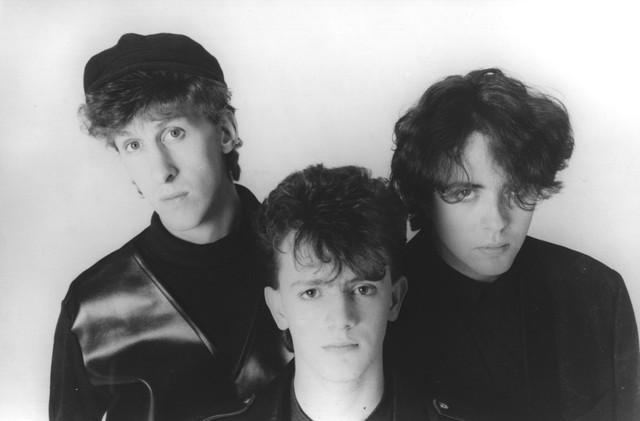
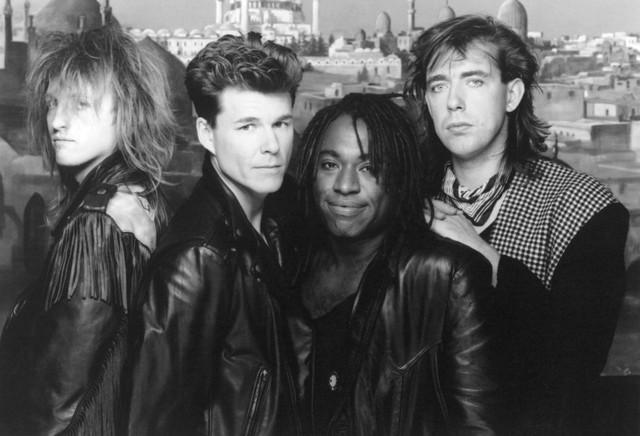
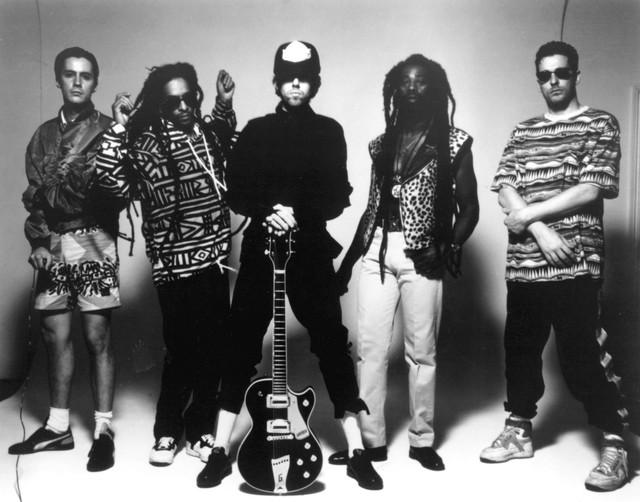
Big Audio Dynamite’s Spotify BioAfter Mick Jones was fired from the Clash in 1983, he formed Big Audio Dynamite (B.A.D.) one year later to continue the more experimental funk elements of the Clash's Combat Rock. The group's original incarnation included Jones, video artist and Clash associate Don Letts (effects and vocals), Greg Roberts (drums), Dan Donovan (keyboards), and Leo "E-Zee Kill" Williams (bass). Adding samplers, dance tracks, and found sounds to Jones' concise pop songwriting, B.A.D. debuted on record with the single "The Bottom Line" in September 1985 and the album This Is Big Audio Dynamite later that year. "E=MC2" and "Medicine Show" became sizable hits in England, and reached the dance charts in America.
When it arrived in late 1986, Big Audio Dynamite's second album, No. 10, Upping St., boasted co-production and co-writing from Joe Strummer, Jones' former bandmate in the Clash. It was a much better fusion of contemporary production techniques with Jones' songwriting, and the two biggest singles --… "C'mon Every Beatbox" and "V. Thirteen" -- performed well both on the British pop charts and American dance charts. After a two-year break, the band returned with a less free-form work, Tighten Up, Vol. 88, but righted the ship with 1989's Megatop Phoenix, their biggest performer in America (thanks to the singles "Contact" and "James Brown").
After Megatop Phoenix, the band split apart at the end of 1989. Jones quickly added Gary Stonadge (bass/vocals), Chris Kavanagh (drums/vocals), and Nick Hawkins (guitar/vocals) to form Big Audio Dynamite II, while Letts, Williams, and Roberts formed Screaming Target and Donovan joined the Sisters of Mercy. Releasing The Globe, the first full-length album with the new lineup, in 1991, B.A.D. II experienced their greatest success yet with the American Top 40 hit "Rush." In 1994, Jones truncated the band's name to Big Audio and released Higher Power.
After Higher Power, Big Audio parted ways with Epic, signing with Radioactive in early 1995 and releasing F-Punk. The single "I Turned Out a Punk" became a college radio hit, even when it was initially released anonymously (granted, Jones' voice was immediately recognizable). That conglomeration also split shortly afterward, Jones later appearing in the production chair of notable records including the Libertines' Up the Bracket. ~ Stephen Thomas Erlewine and John Bush, Rovi
Viberate is a music analytics platform built for A&Rs, artist managers, labels, booking agents, marketers, and artists.
It helps music professionals track artist growth, analyze audience data, monitor playlist activity, compare artists, follow song performance, and identify opportunities across the music market.
Public artist pages provide a free preview of selected artist data. Paid plans provide access to deeper analytics, historical data, charts, comparisons, playlist tools, exports, alerts, reports, and additional professional features.
Yes. Public Viberate artist pages provide selected artist analytics and music data for free.
Viberate also offers a 7-day free trial of the full platform. A credit card is required to start the trial. The trial includes access to the complete product so users can test deeper artist analytics, historical views, playlist insights, comparisons, charts, exports, alerts, and reporting features before choosing a paid plan.
Viberate provides artist analytics across streaming, playlists, social media, video, radio airplay, songs, and audience markets.
Users can analyze Spotify performance, Spotify and Apple Music playlists, YouTube activity, TikTok and Instagram growth, radio spins, song performance, audience locations, demographics, rankings, and overall artist momentum.
Artist profiles also connect to music charts, similar artists, and comparison tools, helping users benchmark performance and evaluate artists in context.
Viberate updates key artist and track data daily.
For followed artists and tracks, selected data is refreshed multiple times per day. This helps teams monitor playlist changes, streaming movement, audience growth, releases, and campaign performance with more current data.
Update frequency can vary depending on the metric and data source.
Yes. Viberate lets users compare up to five artists side by side across streaming, social media, audience, and engagement metrics.
Users can compare fanbase growth, audience demographics, locations, Spotify performance, social metrics, and other artist data over selected time periods.
Artist comparison can be used for A&R scouting, benchmarking, booking decisions, campaign planning, and evaluating artists with similar audiences or market positions.