Zora Young

Blues
Contemporary Blues
Soul Blues
 Viberate Rank: 398660
 Viberate Rank: 398660
 Monthly ListenersFollowers
 Subscribers
 Followers
 Followers
 FansTop Spotify SongsTop YouTube VideosMonthly ListenersFeatured in Playlists
| Playlist | Followers | |
|---|---|---|
1 |  Slow Blues & Blues Rock | Don's Tunes Don's Tunes | 19.74K |
2 |  The Best Female Blues & Jazz Vocals | Don's Tunes Don's Tunes | 14.93K |
3 |  The Sky Is Crying 🌧 Don's Tunes | 14.81K |
4 |  Keeping The Blues Alive Joe Bonamassa | 10.32K |
5 |  Midnight Blues Helmut Neubauer | 3.81K |
Audience| City | Monthly Listeners | |
|---|---|---|
1 |  | 12 |
2 |  | 10 |
3 |  | 7 |
4 |  | 5 |
5 |  | 5 |
See full performance history, audience data, playlist activity, rankings, comparisons, and more in Viberate music analytics. Start with a free trial, then continue with a paid plan.
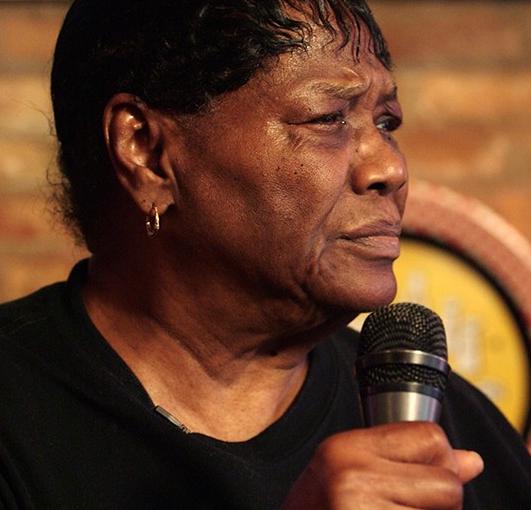
Zora Young’s Spotify BioDespite the prominent presence of celebrated blues artist Howlin' Wolf in her family tree, singer Zora Young grew up singing not blues, but gospel. Even when the Mississippi native shook off her roots at the age of seven to relocate with her family to Chicago, she attended the Greater Harvest Baptist Church and continued to sing gospel. It wasn't until later that she switched over to R&B, and evolved into a powerhouse blues vocalist with three decades of experience behind her. She has performed with a long list of artists, including Junior Wells, Jimmy Dawkins, Bobby Rush, Buddy Guy, Professor Eddie Lusk, Albert King, and B.B. King. Her recording credits include collaborations with Willie Dixon, Sunnyland Slim, Mississippi Heat, Paul deLay, and Maurice John Vaughn, among others.
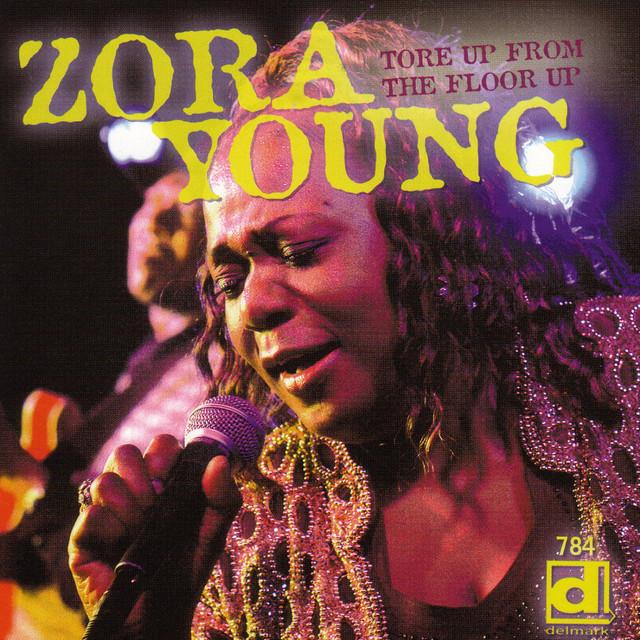
Her own recordings as a solo artist include releases from the labels Deluge, Black Lightning, and Delmark. Young has also performed on both stage and television. She is a veteran of more than 30 tours of Europe,… and has been a featured performer three times at the Chicago Blues Festival. She has performed throughout North America, and on stages in Italy, Germany, Belgium, Sweden, France, Switzerland, Greece, Austria, Tai Pei, and Turkey. Her albums include 1991's Travelin' Light from Deluge Records and two releases from Delmark Records, Learned My Lesson in 2000 and Tore Up from the Floor Up in 2005. ~ Linda Seida, Rovi
Viberate is a music analytics platform built for A&Rs, artist managers, labels, booking agents, marketers, and artists.
It helps music professionals track artist growth, analyze audience data, monitor playlist activity, compare artists, follow song performance, and identify opportunities across the music market.
Public artist pages provide a free preview of selected artist data. Paid plans provide access to deeper analytics, historical data, charts, comparisons, playlist tools, exports, alerts, reports, and additional professional features.
Yes. Public Viberate artist pages provide selected artist analytics and music data for free.
Viberate also offers a 7-day free trial of the full platform. A credit card is required to start the trial. The trial includes access to the complete product so users can test deeper artist analytics, historical views, playlist insights, comparisons, charts, exports, alerts, and reporting features before choosing a paid plan.
Viberate provides artist analytics across streaming, playlists, social media, video, radio airplay, songs, and audience markets.
Users can analyze Spotify performance, Spotify and Apple Music playlists, YouTube activity, TikTok and Instagram growth, radio spins, song performance, audience locations, demographics, rankings, and overall artist momentum.
Artist profiles also connect to music charts, similar artists, and comparison tools, helping users benchmark performance and evaluate artists in context.
Viberate updates key artist and track data daily.
For followed artists and tracks, selected data is refreshed multiple times per day. This helps teams monitor playlist changes, streaming movement, audience growth, releases, and campaign performance with more current data.
Update frequency can vary depending on the metric and data source.
Yes. Viberate lets users compare up to five artists side by side across streaming, social media, audience, and engagement metrics.
Users can compare fanbase growth, audience demographics, locations, Spotify performance, social metrics, and other artist data over selected time periods.
Artist comparison can be used for A&R scouting, benchmarking, booking decisions, campaign planning, and evaluating artists with similar audiences or market positions.