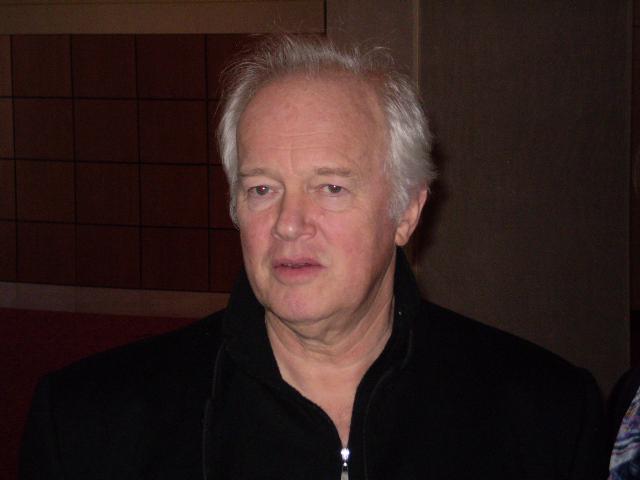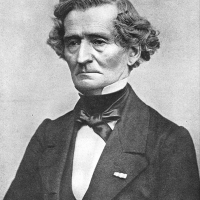
Benjamin Britten

Classical
Orchestral
Chamber Music
 Viberate Rank: 48633
 Viberate Rank: 48633
 Monthly ListenersFollowers
 Subscribers
 Followers
 Followers
 FansTop Spotify Songs
| Track | 7-Day Streams | |
|---|---|---|
1 | 33.63K | |
2 | 12.53K | |
3 | 10.63K | |
4 | 6.11K | |
5 | 4.81K |
Top YouTube VideosMonthly ListenersFeatured in Playlists| Playlist | Followers | |
|---|---|---|
1 |  This Is Bach Spotify | 720.73K |
2 |  Epic Classical Spotify | 705.92K |
3 |  Opera Classics Spotify | 605.42K |
4 |  medieval vibes Spotify | 500.29K |
5 |  Classical Ballet Spotify | 354.76K |
Audience| City | Monthly Listeners | |
|---|---|---|
1 | | 8.97K |
2 |  | 3.87K |
3 |  | 3.42K |
4 |  | 3.23K |
5 |  | 3.03K |
See full performance history, audience data, playlist activity, rankings, comparisons, and more in Viberate music analytics. Start with a free trial, then continue with a paid plan.
Benjamin Britten’s Spotify BioWith the arrival of Benjamin Britten on the international music scene, many felt that English music gained its greatest genius since Purcell. A composer of wide-ranging talents, Britten found in the human voice an especial source of inspiration, an affinity that resulted in a remarkable body of work, ranging from operas like Peter Grimes (1944-1945) and Death in Venice (1973) to song cycles like the Serenade for tenor, horn, and strings (1943) to the massive choral work War Requiem (1961). He also produced much music for orchestra and chamber ensembles, including symphonies, concerti, and chamber and solo works.
Britten's father was a prosperous oral surgeon in the town of Lowestoft, Suffolk; his mother was a leader in the local choral society. When Benjamin's musical aptitude became evident, the family engaged composer Frank Bridge to supervise his musical education. Bridge's tutelage was one of the formative and lasting influences on Britten's compositional development; he eventually… paid tribute to his teacher in his Op. 10, the Variations on a Theme by Frank Bridge (1937). Britten's formal training also included studies at the Royal College of Music (1930-1933).
Upon graduation from the RCM, Britten obtained a position scoring documentaries (on prosaic themes like "Sorting Office") for the Royal Post Office film unit. Working on a tight budget, he learned how to extract the maximum variety of color and musical effectiveness from the smallest combinations of instruments, producing dozens of such scores from 1935 to 1938. He rapidly emerged as the most promising British composer of his generation and entered into collaborative relationships that exerted a profound influence upon his creative life. Among the most important of his professional associates were literary figures like W.H. Auden, and later, E.M. Forster. None, however, played as central a role in Britten's life as the tenor Peter Pears, who was Britten's closest intimate, both personally and professionally, from the late '30s to the composer's death. Pears' voice inspired a number of Britten's vocal cycles and opera roles, and the two often joined forces in song recitals and, from 1948, in the organization and administration of the Aldeburgh Festival.
A steadfast pacifist, Britten left England in 1939 as war loomed over Europe. He spent four years in the United States and Canada, his compositional pace barely slackening, as evidenced by the production of works like the Sinfonia da Requiem (1940), the song cycle Seven Sonnets of Michelangelo (1940), and his first effort for the stage, Paul Bunyan (1940-1941). Eventually, the poetry of George Crabbe drew Britten back to England. With a Koussevitzky Commission backing him, the composer wrote the enormously successful opera Peter Grimes (1944-1945), which marked the greatest turning point in his career. His fame secure, Britten over the next several decades wrote a dozen more operas, several of which -- Albert Herring (1947), Billy Budd (1951), The Turn of the Screw (1954), A Midsummer Night's Dream (1960), Death in Venice (1973) -- became instant and permanent fixtures of the repertoire. He also continued to produce much vocal, orchestral, and chamber music, including Songs and Proverbs of William Blake (1965), the three Cello Suites (1961-1964) and the Cello Symphony (1963), written for Mstislav Rostropovich, and the Third String Quartet (1975).
Britten suffered a stroke during heart surgery in 1971, which resulted in something of a slowdown in his creative activities. Nonetheless, he continued to compose until his death in 1976, by which time he was recognized as one of the principal musical figures of the 20th century. ~ Michael Rodman, Rovi
Viberate is a music analytics platform built for A&Rs, artist managers, labels, booking agents, marketers, and artists.
It helps music professionals track artist growth, analyze audience data, monitor playlist activity, compare artists, follow song performance, and identify opportunities across the music market.
Public artist pages provide a free preview of selected artist data. Paid plans provide access to deeper analytics, historical data, charts, comparisons, playlist tools, exports, alerts, reports, and additional professional features.
Yes. Public Viberate artist pages provide selected artist analytics and music data for free.
Viberate also offers a 7-day free trial of the full platform. A credit card is required to start the trial. The trial includes access to the complete product so users can test deeper artist analytics, historical views, playlist insights, comparisons, charts, exports, alerts, and reporting features before choosing a paid plan.
Viberate provides artist analytics across streaming, playlists, social media, video, radio airplay, songs, and audience markets.
Users can analyze Spotify performance, Spotify and Apple Music playlists, YouTube activity, TikTok and Instagram growth, radio spins, song performance, audience locations, demographics, rankings, and overall artist momentum.
Artist profiles also connect to music charts, similar artists, and comparison tools, helping users benchmark performance and evaluate artists in context.
Viberate updates key artist and track data daily.
For followed artists and tracks, selected data is refreshed multiple times per day. This helps teams monitor playlist changes, streaming movement, audience growth, releases, and campaign performance with more current data.
Update frequency can vary depending on the metric and data source.
Yes. Viberate lets users compare up to five artists side by side across streaming, social media, audience, and engagement metrics.
Users can compare fanbase growth, audience demographics, locations, Spotify performance, social metrics, and other artist data over selected time periods.
Artist comparison can be used for A&R scouting, benchmarking, booking decisions, campaign planning, and evaluating artists with similar audiences or market positions.