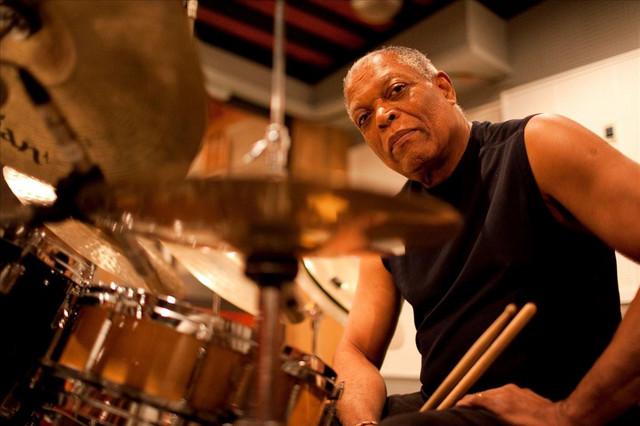
Ben Street

Jazz
Avant-garde Jazz
Smooth Jazz
 Viberate Rank: 328538
 Viberate Rank: 328538
 Monthly ListenersFollowers
 Subscribers
 Followers
 Followers
 FansTop Spotify Songs
| Track | 7-Day Streams | |
|---|---|---|
1 | 6.80K | |
2 | 3.97K | |
3 | 980 | |
4 | 785 | |
5 | 738 |
Top YouTube VideosMonthly ListenersFeatured in Playlists| Playlist | Followers | |
|---|---|---|
1 |  Late Night Jazz Spotify | 2.18M |
2 |  Jazz Covers Spotify | 161.28K |
3 |  Jazz Guitar Classics Spotify | 135.22K |
4 | ECM RECORDS (best) Alex Soukiouroglou | 16.96K |
5 |  ECM New & Forthcoming ECM Records | 9.44K |
Audience| City | Monthly Listeners | |
|---|---|---|
1 |  | 380 |
2 |  | 348 |
3 |  | 338 |
4 |  | 294 |
5 | | 278 |
See full performance history, audience data, playlist activity, rankings, comparisons, and more in Viberate music analytics. Start with a free trial, then continue with a paid plan.
Ben Street’s Spotify BioBassist Ben Street is a deeply nuanced performer known for his elegant, yet inventive approach to post-bop and modern creative jazz. Building upon the influence of his early mentor Miroslav Vitous, Street emerged in the '90s and has recorded with artists like Kurt Rosenwinkel, Lage Lund, Danilo Pérez, Sam Rivers, and others. He is also a core member of drummer Billy Hart's quartet, along with saxophonist Mark Turner and pianist Ethan Iverson, and has appeared on ECM albums like 2006's Quartet, 2012's All Our Reasons, 2014's One Is the Other, and 2025's Just.
Born in Maine, Street grew up in a musical household the son of noted saxophonist and educator Bill Street. After high school, he attended the prestigious New England Conservatory of Music in Boston where he studied privately with Miroslav Vitous and Dave Holland. He moved to New York in 1991 where he played early on with Frank Carlberg, Ben Monder, and as a member of drummer George Schuller's Orange Then Blue. He also became a… regular member of guitarist Kurt Rosenwinkel's group and has worked with a bevy of highly regarded performers including Danilo Pérez, Brad Mehldau, Andrew Cyrille, Lage Lund, Sam Rivers, and Lee Konitz, among others.
He joined drummer Billy Hart's quartet, playing on their 2006 ECM debut Quartet with bandmates saxophonist Mark Turner and pianist Ethan Iverson. He has contributed to all of their subsequent ECM dates, including 2012's All Our Reasons and 2014's One Is the Other. In 2017, Street and Hart worked together again, this time as the rhythm section on Aaron Parks' sophomore leader date for ECM, 2017's Find the Way. He also joined Hart for two Smoke Sessions trio albums with pianist Kevin Hays: 2021's All Things Are and 2023's Bridges. Just, a fourth Hart quartet date with Iverson and Turner, arrived in early 2025 on ECM. ~ Matt Collar, Rovi
Viberate is a music analytics platform built for A&Rs, artist managers, labels, booking agents, marketers, and artists.
It helps music professionals track artist growth, analyze audience data, monitor playlist activity, compare artists, follow song performance, and identify opportunities across the music market.
Public artist pages provide a free preview of selected artist data. Paid plans provide access to deeper analytics, historical data, charts, comparisons, playlist tools, exports, alerts, reports, and additional professional features.
Yes. Public Viberate artist pages provide selected artist analytics and music data for free.
Viberate also offers a 7-day free trial of the full platform. A credit card is required to start the trial. The trial includes access to the complete product so users can test deeper artist analytics, historical views, playlist insights, comparisons, charts, exports, alerts, and reporting features before choosing a paid plan.
Viberate provides artist analytics across streaming, playlists, social media, video, radio airplay, songs, and audience markets.
Users can analyze Spotify performance, Spotify and Apple Music playlists, YouTube activity, TikTok and Instagram growth, radio spins, song performance, audience locations, demographics, rankings, and overall artist momentum.
Artist profiles also connect to music charts, similar artists, and comparison tools, helping users benchmark performance and evaluate artists in context.
Viberate updates key artist and track data daily.
For followed artists and tracks, selected data is refreshed multiple times per day. This helps teams monitor playlist changes, streaming movement, audience growth, releases, and campaign performance with more current data.
Update frequency can vary depending on the metric and data source.
Yes. Viberate lets users compare up to five artists side by side across streaming, social media, audience, and engagement metrics.
Users can compare fanbase growth, audience demographics, locations, Spotify performance, social metrics, and other artist data over selected time periods.
Artist comparison can be used for A&R scouting, benchmarking, booking decisions, campaign planning, and evaluating artists with similar audiences or market positions.