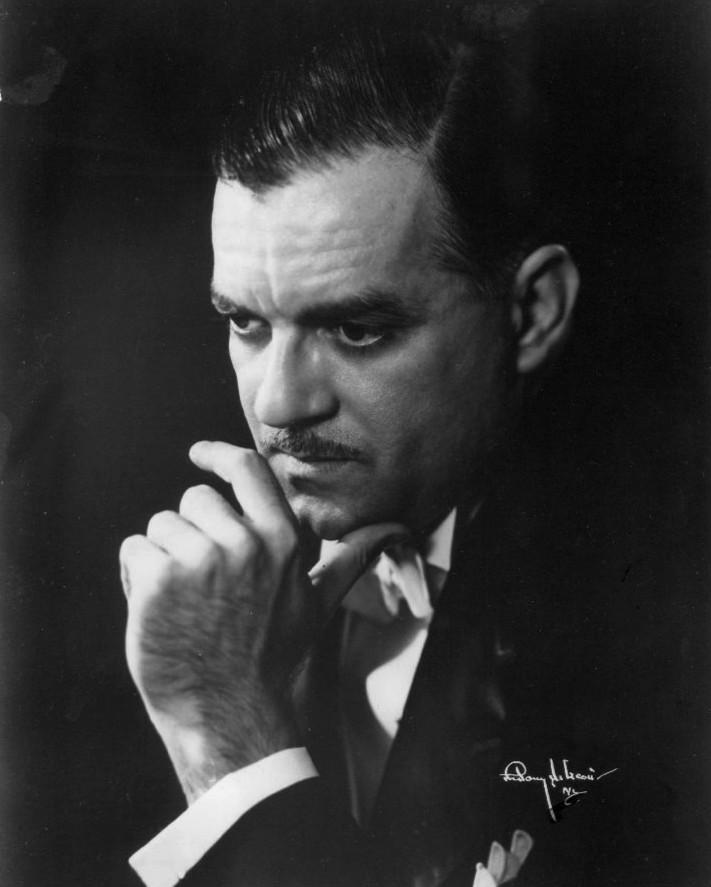
Bella Davidovich

Classical
Classical Crossover
Chamber Music
 Viberate Rank: 440532
 Viberate Rank: 440532
 Monthly ListenersFollowers
 Subscribers
 Followers
 Followers
 FansTop Spotify Songs
| Track | 7-Day Streams | |
|---|---|---|
1 | 3.38K | |
2 | 1.16K | |
3 | 17 | |
4 | 16 | |
5 | 15 |
Top YouTube VideosMonthly ListenersFeatured in Playlists| Playlist | Followers | |
|---|---|---|
1 |  Easy Listening Classical For Study, Work, Relaxing, Chillout, Anything But Serious Listening Ulysses' Classical | 99.25K |
2 |  ░░░ 60 bpm Baroque & Study | Learning Music Siim | 19.47K |
3 |  Motzart Frank Karall | 8.21K |
4 | Classical Sleeping Songs 113130539 | 4.94K |
5 | 60 bpm Classical Classroom Music Kel Lee | 3.97K |
Audience| City | Monthly Listeners | |
|---|---|---|
1 |  | 250 |
2 |  | 222 |
3 |  | 175 |
4 |  | 172 |
5 |  | 161 |
See full performance history, audience data, playlist activity, rankings, comparisons, and more in Viberate music analytics. Start with a free trial, then continue with a paid plan.
Bella Davidovich’s Spotify BioBella Davidovich began studying piano at the age of six. Her progress was so astonishing that by the age of nine, she had made her public debut performing a Beethoven concerto. In 1947, she enrolled at the Moscow Conservatory, where she studied under Konstantin Igumnov and Yakov Flier. In 1949, she won first prize in the Chopin Competition in Warsaw, establishing an active career as a soloist in the Soviet Union and Eastern Europe. In 1962, she became professor of piano at the Moscow Conservatory. Davidovich gave her first concert in Western Europe in 1967 (in the Netherlands) and in 1971, she was permitted to tour Italy. In 1977, her son, noted violinist Dmitry Sitkovetsky, defected to the United States, leading the Soviet authorities to cancel all of her foreign concert engagements. She herself was able to leave the Soviet Union in 1978 and became an American citizen six years later. She made her American debut at Carnegie Hall in 1979, and she soon became a much sought-after soloist… in the United States, Canada, and Europe, noted for her interpretations of the Romantic repertoire. In 1983, she was appointed to a professorship at the Juilliard School. In 1988, she and her son returned to Russia as some of the first emigrés to be invited to perform there during Gorbachev's period of Perestroika. Davidovich has appeared as soloist with the world's leading orchestras, including the New York Philharmonic, the Philadelphia Orchestra, the Boston Symphony Orchestra, the Cleveland Orchestra, the Los Angeles Philharmonic, the National Symphony Orchestra, the San Francisco Symphony Orchestra, the Toronto Symphony, the Montreal Symphony Orchestra, the Detroit Symphony Orchestra, the Houston Symphony, and the Pittsburgh Symphony Orchestra. She has collaborated with the Borodin Quartet, Guarneri Quartet, and Tokyo String Quartet. She has also served on the juries of the Queen Elisabeth and Chopin International Piano Competitions.
Viberate is a music analytics platform built for A&Rs, artist managers, labels, booking agents, marketers, and artists.
It helps music professionals track artist growth, analyze audience data, monitor playlist activity, compare artists, follow song performance, and identify opportunities across the music market.
Public artist pages provide a free preview of selected artist data. Paid plans provide access to deeper analytics, historical data, charts, comparisons, playlist tools, exports, alerts, reports, and additional professional features.
Yes. Public Viberate artist pages provide selected artist analytics and music data for free.
Viberate also offers a 7-day free trial of the full platform. A credit card is required to start the trial. The trial includes access to the complete product so users can test deeper artist analytics, historical views, playlist insights, comparisons, charts, exports, alerts, and reporting features before choosing a paid plan.
Viberate provides artist analytics across streaming, playlists, social media, video, radio airplay, songs, and audience markets.
Users can analyze Spotify performance, Spotify and Apple Music playlists, YouTube activity, TikTok and Instagram growth, radio spins, song performance, audience locations, demographics, rankings, and overall artist momentum.
Artist profiles also connect to music charts, similar artists, and comparison tools, helping users benchmark performance and evaluate artists in context.
Viberate updates key artist and track data daily.
For followed artists and tracks, selected data is refreshed multiple times per day. This helps teams monitor playlist changes, streaming movement, audience growth, releases, and campaign performance with more current data.
Update frequency can vary depending on the metric and data source.
Yes. Viberate lets users compare up to five artists side by side across streaming, social media, audience, and engagement metrics.
Users can compare fanbase growth, audience demographics, locations, Spotify performance, social metrics, and other artist data over selected time periods.
Artist comparison can be used for A&R scouting, benchmarking, booking decisions, campaign planning, and evaluating artists with similar audiences or market positions.