Bedemon

Metal
Doom/Sludge Metal
 Viberate Rank: 419524
 Viberate Rank: 419524
 Monthly ListenersFollowers
 Subscribers
 Followers
 Followers
 FansTop Spotify Songs
| Track | 7-Day Streams | |
|---|---|---|
1 | 314 | |
2 | 262 | |
3 | 115 | |
4 | 66 | |
5 | 60 |
Top YouTube VideosMonthly ListenersFeatured in Playlists| Playlist | Followers | |
|---|---|---|
1 |  FENRIZ METAL Gylve | 32.35K |
2 |  70s Proto-Metal, Heavy Psych & Obscure Hard Rock Jordan Edrei | 11.27K |
3 |  DOOM / SLUDGE / STONER cheznik | 7.77K |
4 | Stoner Rock/Stoner Metal/Heavy Psych/Occult (old vs new) ragazzo-gr | 5.34K |
5 |  60s & 70s Underground Rock Bobby Floccari | 5.04K |
Audience| City | Monthly Listeners | |
|---|---|---|
1 | | 27 |
2 |  | 20 |
3 | | 19 |
4 | | 17 |
5 |  | 15 |
See full performance history, audience data, playlist activity, rankings, comparisons, and more in Viberate music analytics. Start with a free trial, then continue with a paid plan.
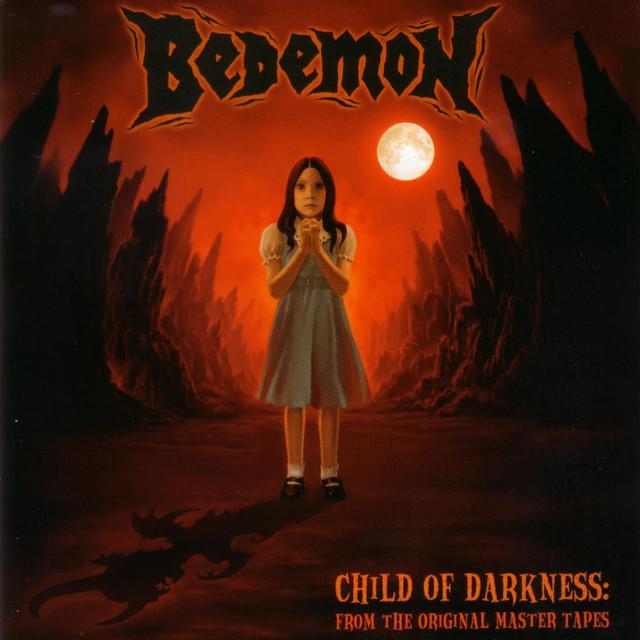
Bedemon’s Spotify BioYou can't get more "cult metal" than Pentagram (after all, the group didn't manage to issue a proper studio album during their early-'70s peak), but somehow, Bedemon manages to accomplish this feat. During the early '70s, Pentagram bandmembers Bobby Liebling (vocals) and Geof O'Keefe (drums) were asked by the group's brief second guitarist/horror movie buff, Randy Palmer, if they'd be interested in working on some material that Palmer had penned. The pair agreed, and recorded a few tracks with bassist Mike Matthews circa 1973 and 1974. The tracks were not recorded in a proper studio setting, but rather live at Pentagram's rehearsal space, with Liebling overdubbing vocals and Palmer overdubbing solos. After only three tracks were completed, "Child of Darkness," "Serpent Venom," and "Frozen Fear," Palmer officially joined up with Pentagram (helping co-write one of Pentagram's best songs, "Starlady") before exiting soon after, and O'Keefe following suite a couple of years later. In 1979,… Bedemon got back together to record three more tracks, "Time Bomb," "Nighttime Killer," and "Axe to Grind," and again in 1986 (with Pentagram's Greg Mayne taking Matthews' spot in the lineup), when another Palmer composition was recorded, "Night of the Demon," as well as several older tunes. In the subsequent years, Palmer unwisely gave a copy of the Bedemon recordings to a Pentagram fan, who then began selling bootlegs of the material. With interest in Pentagram surging in the early 21st century (when quite a few doom metal bands listed the group as a major influence), Bedemon reunited out of the clear blue in April 2002, and recorded an hour's worth of new material. Sadly, Palmer died from injuries sustained from an auto accident on August 8 of that year. Plans to eventually release the material recorded shortly before Palmer's death soon arose, with singer Craig Junghandel signed on to lend a hand. But before the 2002 sessions were released, the Italian metal label Black Widow issued a compilation of the earlier Bedemon material as a 15-track compilation in 2006, Child of Darkness: From the Original Master Tapes. ~ Greg Prato, Rovi
Viberate is a music analytics platform built for A&Rs, artist managers, labels, booking agents, marketers, and artists.
It helps music professionals track artist growth, analyze audience data, monitor playlist activity, compare artists, follow song performance, and identify opportunities across the music market.
Public artist pages provide a free preview of selected artist data. Paid plans provide access to deeper analytics, historical data, charts, comparisons, playlist tools, exports, alerts, reports, and additional professional features.
Yes. Public Viberate artist pages provide selected artist analytics and music data for free.
Viberate also offers a 7-day free trial of the full platform. A credit card is required to start the trial. The trial includes access to the complete product so users can test deeper artist analytics, historical views, playlist insights, comparisons, charts, exports, alerts, and reporting features before choosing a paid plan.
Viberate provides artist analytics across streaming, playlists, social media, video, radio airplay, songs, and audience markets.
Users can analyze Spotify performance, Spotify and Apple Music playlists, YouTube activity, TikTok and Instagram growth, radio spins, song performance, audience locations, demographics, rankings, and overall artist momentum.
Artist profiles also connect to music charts, similar artists, and comparison tools, helping users benchmark performance and evaluate artists in context.
Viberate updates key artist and track data daily.
For followed artists and tracks, selected data is refreshed multiple times per day. This helps teams monitor playlist changes, streaming movement, audience growth, releases, and campaign performance with more current data.
Update frequency can vary depending on the metric and data source.
Yes. Viberate lets users compare up to five artists side by side across streaming, social media, audience, and engagement metrics.
Users can compare fanbase growth, audience demographics, locations, Spotify performance, social metrics, and other artist data over selected time periods.
Artist comparison can be used for A&R scouting, benchmarking, booking decisions, campaign planning, and evaluating artists with similar audiences or market positions.