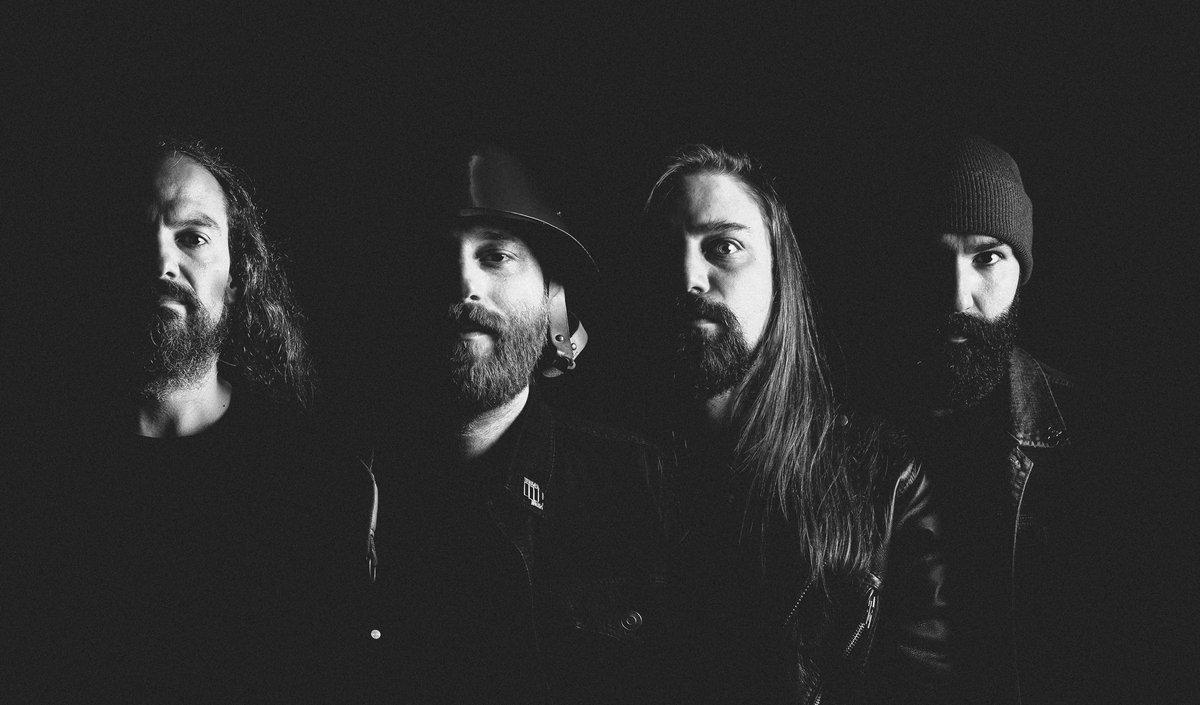
Satan's Satyrs

Metal
Heavy Metal
Doom/Sludge Metal
Hard Rock
 Viberate Rank: 291317
 Viberate Rank: 291317
 Monthly ListenersFollowers
 Subscribers
 Followers
 Followers
 FansTop Spotify Songs
| Track | 7-Day Streams | |
|---|---|---|
1 | 185 | |
2 | 97 | |
3 | 95 | |
4 | 85 | |
5 | 65 |
Top YouTube VideosMonthly ListenersFeatured in Playlists| Playlist | Followers | |
|---|---|---|
1 |  Stoner Rock Spotify | 549.93K |
2 | Stoner Metal corrynfleming | 37.06K |
3 | Stoner Rock/Stoner Metal/Heavy Psych/Occult (old vs new) ragazzo-gr | 5.34K |
4 |  Stoner Rock Frozen-Heart-Music | 4.23K |
5 |  Thrasher Magazine Luis Alberto Morales | 4.17K |
Audience| City | Monthly Listeners | |
|---|---|---|
1 | | 27 |
2 | | 17 |
3 |  | 17 |
4 |  | 17 |
5 |  | 15 |
See full performance history, audience data, playlist activity, rankings, comparisons, and more in Viberate music analytics. Start with a free trial, then continue with a paid plan.
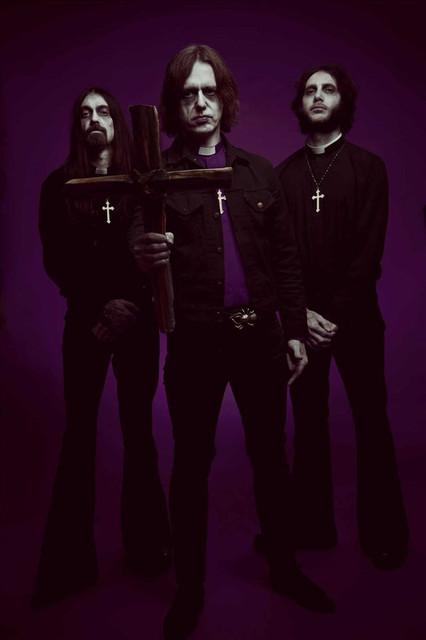
Satan's Satyrs’ Spotify BioHerndon, Virginia-based occult rockers Satan's Satyrs deliver a high-octane blend of psych-blasted doom metal, grindhouse punk, and sleazy garage rock that invokes names like Blue Cheer, Venom, Electric Wizard, Black Flag, Hawkwind, and Black Sabbath. Formed in 2009 by lead singer and multi-instrumentalist Clayton Burgess while he was still in high school, Satan's Satyrs grew from a solo project into a proper band after the release of their debut album, 2012's Wild Beyond Belief. Championed by Electric Wizard, Satan's Satyrs made a splash at the 2013 Roadburn Festival in the Netherlands, and dropped their second album, Die Screaming, the following year, solidifying their reputation in the stoner and alternative metal communities.
Hailing from Herndon, Virginia, Clayton Burgess hatched the idea for Satan's Satyrs in 2009, influenced by a variety of heavy bands (especially Electric Wizard and Black Flag) and a steady diet of exploitation cinema (the name was inspired by the notorious 1969… biker flick Satan's Sadists). Burgess began writing songs before he had a band to play them, and the first Satan's Satyrs album, 2012's Wild Beyond Belief, was a homebrewed project with Burgess playing all the instruments. The doom- and stoner rock-oriented label Bad Omen Records heard the tapes and agreed to release the LP, and to tour in support of Wild Beyond Belief, Burgess recruited guitarist Jarrett Nettnin and drummer Stephen Fairfield, with Burgess on vocals and bass. This lineup made their studio debut on the group's sophomore effort, 2014's Die Screaming, recorded in the wake of a well-received appearance at the 2013 Roadburn Festival in the Netherlands, where they appeared at the invitation of their heroes Electric Wizard.
The connection between the two bands became tighter when Electric Wizard invited Burgess to join the band as their bassist, and he was soon serving double duty in both groups when they toured together in 2015. Despite Burgess' busier schedule, a third Satan's Satyrs LP, Don't Deliver Us, arrived in 2015, and in 2018 they released a split EP with fellow Virginian doom devotees (and occasional touring partners) Windhand in 2018; the latter arrived via Relapse Records. In October 2018, the band was back with their fourth long player, The Lucky Ones. The album showed off their new four-piece lineup with the addition of guitarist Nate Towle (formerly of Wicked Inquisition), and found Bad Omen teaming with Riding Easy Records for the release. ~ James Christopher Monger & Mark Deming, Rovi
Viberate is a music analytics platform built for A&Rs, artist managers, labels, booking agents, marketers, and artists.
It helps music professionals track artist growth, analyze audience data, monitor playlist activity, compare artists, follow song performance, and identify opportunities across the music market.
Public artist pages provide a free preview of selected artist data. Paid plans provide access to deeper analytics, historical data, charts, comparisons, playlist tools, exports, alerts, reports, and additional professional features.
Yes. Public Viberate artist pages provide selected artist analytics and music data for free.
Viberate also offers a 7-day free trial of the full platform. A credit card is required to start the trial. The trial includes access to the complete product so users can test deeper artist analytics, historical views, playlist insights, comparisons, charts, exports, alerts, and reporting features before choosing a paid plan.
Viberate provides artist analytics across streaming, playlists, social media, video, radio airplay, songs, and audience markets.
Users can analyze Spotify performance, Spotify and Apple Music playlists, YouTube activity, TikTok and Instagram growth, radio spins, song performance, audience locations, demographics, rankings, and overall artist momentum.
Artist profiles also connect to music charts, similar artists, and comparison tools, helping users benchmark performance and evaluate artists in context.
Viberate updates key artist and track data daily.
For followed artists and tracks, selected data is refreshed multiple times per day. This helps teams monitor playlist changes, streaming movement, audience growth, releases, and campaign performance with more current data.
Update frequency can vary depending on the metric and data source.
Yes. Viberate lets users compare up to five artists side by side across streaming, social media, audience, and engagement metrics.
Users can compare fanbase growth, audience demographics, locations, Spotify performance, social metrics, and other artist data over selected time periods.
Artist comparison can be used for A&R scouting, benchmarking, booking decisions, campaign planning, and evaluating artists with similar audiences or market positions.