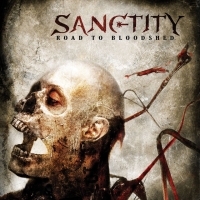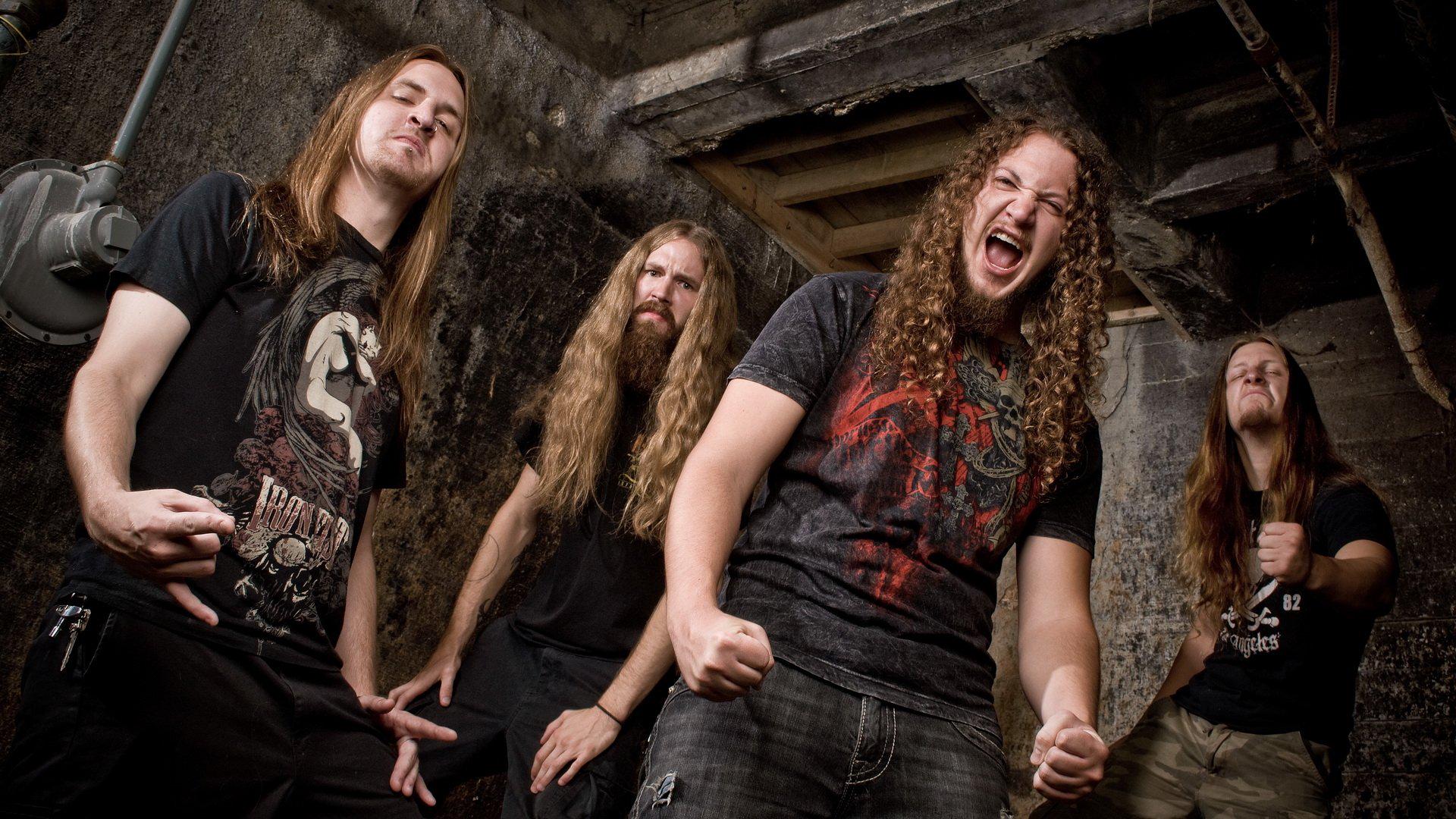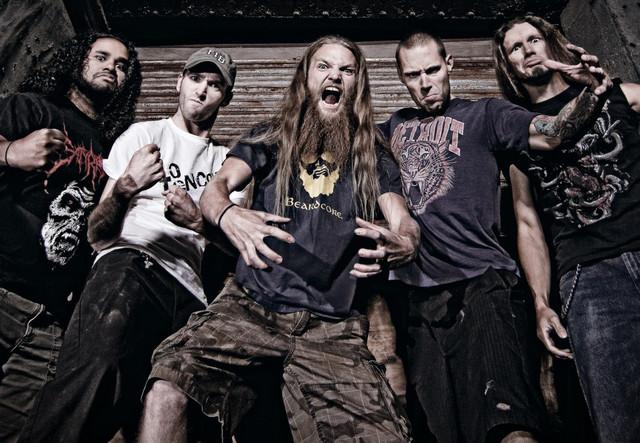
Battlecross

Metal
Death Metal
Thrash Metal
 Viberate Rank: 136224
 Viberate Rank: 136224
 Monthly ListenersFollowers
 Subscribers
 Followers
 Followers
 FansTop Spotify Songs
| Track | 7-Day Streams | |
|---|---|---|
1 | 1.21K | |
2 | 293 | |
3 | 272 | |
4 | 223 | |
5 | 196 |
Top YouTube VideosMonthly ListenersFeatured in Playlists| Playlist | Followers | |
|---|---|---|
1 | Metal🤘🏻 Naydil González | 16.45K |
2 |  Ultimate Melodic Death Metal Loudwire | 14.72K |
3 | Angry Metal Eddie Söderqvist | 7.16K |
4 | Metal Playlist Ardi Jusufi | 5.03K |
5 |  New Wave Of Thrash Metal Andrew Saalmann | 4.41K |
Audience| City | Monthly Listeners | |
|---|---|---|
1 |  | 100 |
2 | | 85 |
3 | | 83 |
4 | | 81 |
5 |  | 79 |
See full performance history, audience data, playlist activity, rankings, comparisons, and more in Viberate music analytics. Start with a free trial, then continue with a paid plan.
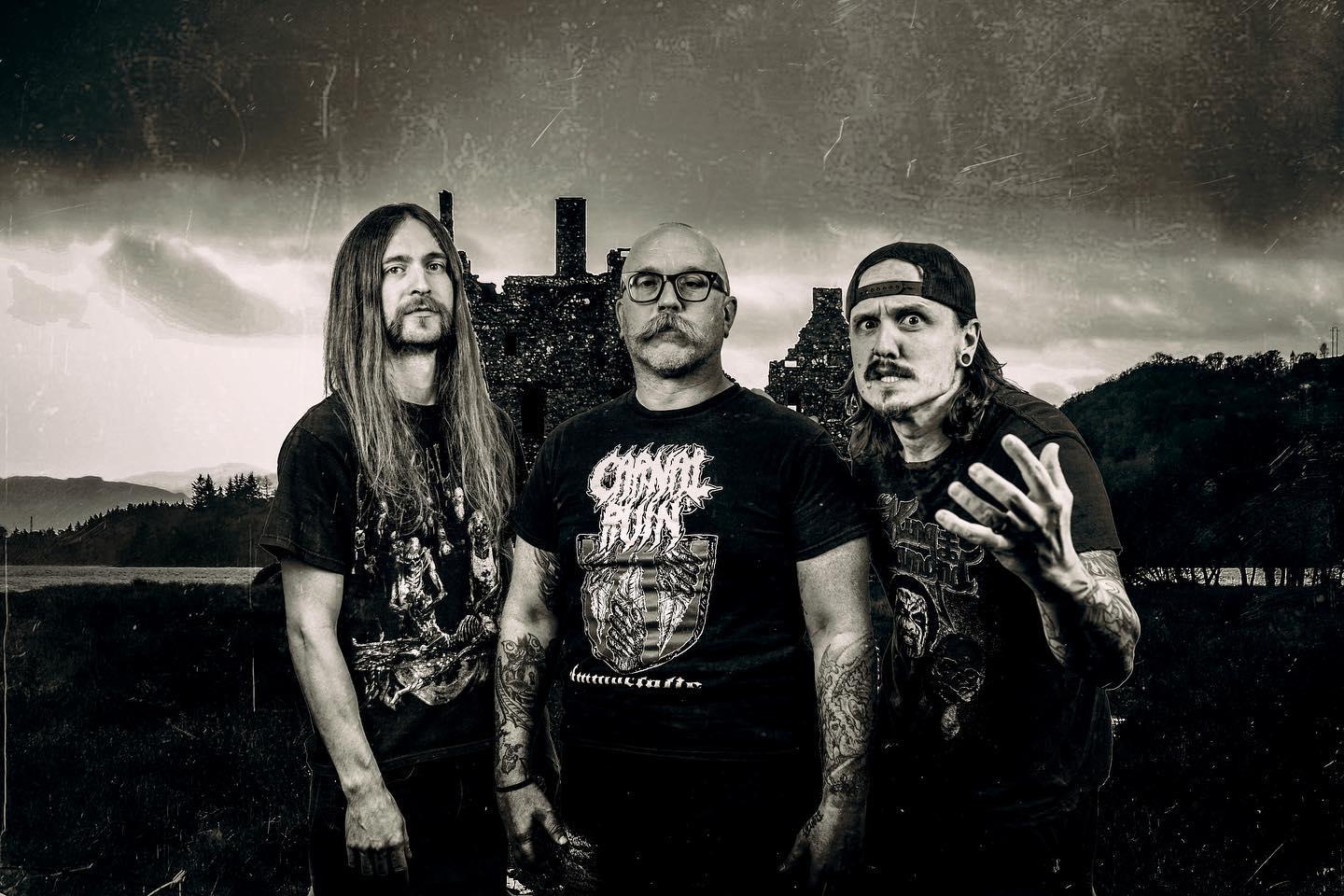
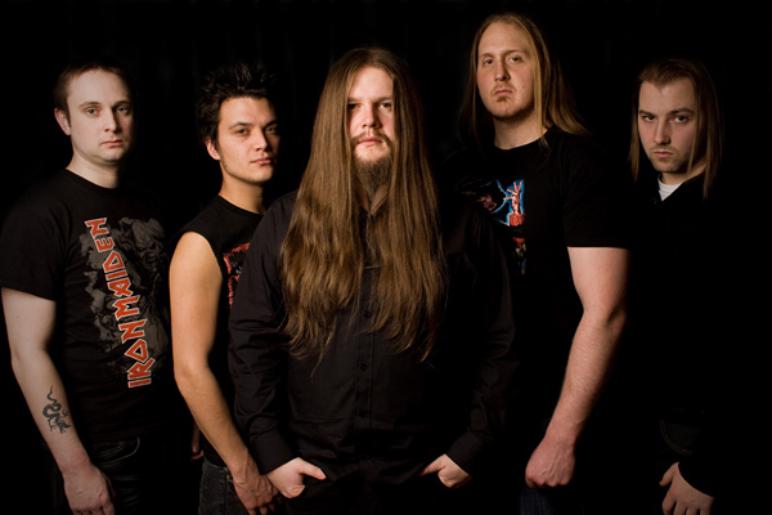
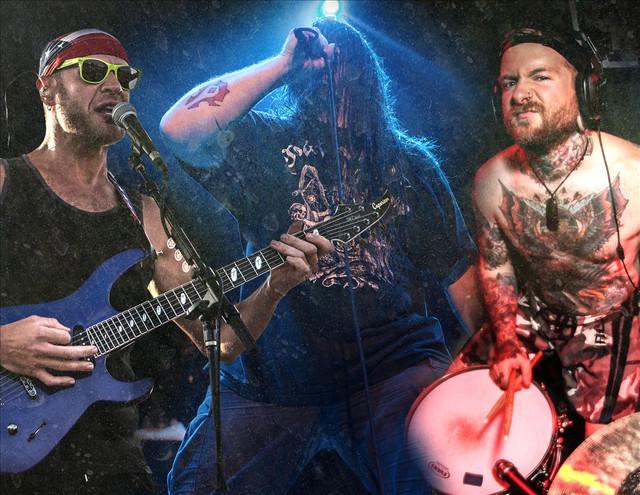
Battlecross’ Spotify BioFormed in 2003, Battlecross are a thrash/melodic death metal band hailing from Canton, Michigan, with a sound that recalls the feeling of old-school American thrash and classic Gothenburg death metal, bringing plenty of driving riffs, crazy solos, and relentlessness while upping the intensity to a new level. Battlecross refer to their sound as "blue collar thrash."
The band was initially formed by guitarists Tony Asta and Hiran Deraniyagala, who recruited drummer Mike Kreger, singer Kyle "Gumby" Gunther, and bassist Don Slater. Battlecross made their debut in 2010 with the self-released Push Pull Destroy, though it would be re-recorded the following year after the band signed on with Metal Blade, which released the remade version, Pursuit of Honor, in 2011. A follow-up, War or Will, arrived in 2013, a year that also saw the departure of Kreger from the band. Drummer Kevin Talley filled in live shows culminating in the Rockstar Energy Drink Mayhem Festival tour that summer. Adam Pierce… of All Shall Perish took the drum chair for a fall tour with Hatebreed, Shadows Fall, and the Acacia Strain. After the jaunt concluded, Shannon Lucas replaced him through the winter, spring and into the following summer. He remained with Battlecross during two European tours (opening for Huntress) and another North American sojourn. Their popularity among metalheads soared. After Lucas left, drummer Alex Bent played with the band for the remainder of the summer and was behind the kit for their first show in Mexico City (opening for Black Label Society) and then a tour of South America.
The young band's energy and technical acumen were gaining attention and they stayed on the road, opening shows and touring with Machine Head and Children of Bodom.
After coming off the road in late 2014, Battlecross immediately entered Florida's Audiohammer Studios, with producer Jason Suecof. A pre-release single entitled "Not Your Slave" appeared in May of 2015, followed by "Spoiled" in June. The full-length Rise to Power was released in August. ~ Gregory Heaney & Thom Jurek, Rovi
Viberate is a music analytics platform built for A&Rs, artist managers, labels, booking agents, marketers, and artists.
It helps music professionals track artist growth, analyze audience data, monitor playlist activity, compare artists, follow song performance, and identify opportunities across the music market.
Public artist pages provide a free preview of selected artist data. Paid plans provide access to deeper analytics, historical data, charts, comparisons, playlist tools, exports, alerts, reports, and additional professional features.
Yes. Public Viberate artist pages provide selected artist analytics and music data for free.
Viberate also offers a 7-day free trial of the full platform. A credit card is required to start the trial. The trial includes access to the complete product so users can test deeper artist analytics, historical views, playlist insights, comparisons, charts, exports, alerts, and reporting features before choosing a paid plan.
Viberate provides artist analytics across streaming, playlists, social media, video, radio airplay, songs, and audience markets.
Users can analyze Spotify performance, Spotify and Apple Music playlists, YouTube activity, TikTok and Instagram growth, radio spins, song performance, audience locations, demographics, rankings, and overall artist momentum.
Artist profiles also connect to music charts, similar artists, and comparison tools, helping users benchmark performance and evaluate artists in context.
Viberate updates key artist and track data daily.
For followed artists and tracks, selected data is refreshed multiple times per day. This helps teams monitor playlist changes, streaming movement, audience growth, releases, and campaign performance with more current data.
Update frequency can vary depending on the metric and data source.
Yes. Viberate lets users compare up to five artists side by side across streaming, social media, audience, and engagement metrics.
Users can compare fanbase growth, audience demographics, locations, Spotify performance, social metrics, and other artist data over selected time periods.
Artist comparison can be used for A&R scouting, benchmarking, booking decisions, campaign planning, and evaluating artists with similar audiences or market positions.