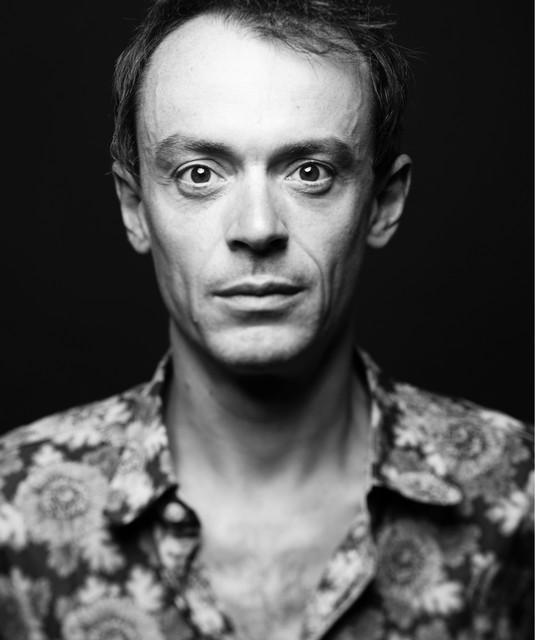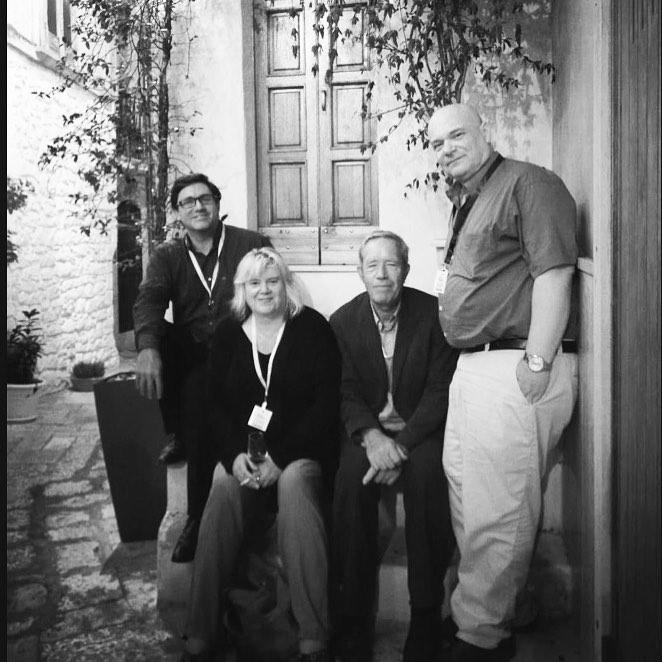
Balanescu Quartet

Classical
Classical Crossover
 Viberate Rank: 159994
 Viberate Rank: 159994
 Monthly ListenersFollowers
 Subscribers
 Followers
 Followers
 FansTop Spotify Songs
| Track | 7-Day Streams | |
|---|---|---|
1 | 5.43K | |
2 | 5.26K | |
3 | 3.01K | |
4 | 2.48K | |
5 | 1.49K |
Top YouTube VideosMonthly ListenersFeatured in Playlists| Playlist | Followers | |
|---|---|---|
1 | Pina Bausch Movie Soundtrack ccalleo | 23.97K |
2 |  NPR Classical NPR Music | 14.43K |
3 |  Golden 20s Party Ute Hamelmann | 9.99K |
4 |  Danza Contemporánea Isaac Pineda | 9.69K |
5 |  James Kavanagh's Tunes James Alan Kavanagh | 9.32K |
Audience| City | Monthly Listeners | |
|---|---|---|
1 |  | 774 |
2 |  | 759 |
3 |  | 682 |
4 | | 638 |
5 |  | 594 |
See full performance history, audience data, playlist activity, rankings, comparisons, and more in Viberate music analytics. Start with a free trial, then continue with a paid plan.
Balanescu Quartet’s Spotify BioAlexander Balanescu (b. 11 June 1954, Bucharest, Romania), the son of a university professor, was raised in Romania before his family moved to Israel in 1969. After two years he relocated to London, England, to take up violin studies (he also spent time at the Juillard School of Music in New York). He formed the Balanescu Quartet in 1987, initially joined by Clare Connors (second violin), Bill Hawkes (viola) and Caroline Dale (cello). Having already developed strong working relationships with fellow contemporary composers Michael Nyman and Gavin Bryars, the quartet has gone on to perform classical works by John Cage, Kevin Volans, and Robert Moran. They broke new ground in 1992 with Possessed for independent label Mute Records, which featured acoustic transcriptions of five Kraftwerk electronic pieces. This was justified thus: ‘There have been violins for two hundred years, and we’re trying to bring them into harmony with modern compositions.’ The 1994 follow-up, Luminitza, was titled… after the Romanian word for ‘small light’. For Balanescu, it represented the lights beckoning him to the homeland his family left in 1989: ‘A little bit of hope in the darkness. That even after the downfall of Ceaucescu’s totalitarian regime in 1989 still shrouds Romania.’ The album utilized samples and programmed percussion, and was completely self-penned by Balanescu and Connors. The duo was joined on the album by Andy Parker (viola) and Nick Cooper (cello). The following year the Balanescu Quartet collaborated with the Luminitza Chamber Orchestra on the soundtrack for Philip Haas’ film Angels & Insects (1995). They also appeared on albums by Bryars and UK rock band Spiritualized.
In the late 90s and early 00s Balanescu maintained a busy working schedule, completing an album of Yellow Magic Orchestra treatments and composing a full score for the Italian movie Il Partigiano Johnny (2000), in addition to working with the quartet on numerous recordings of classical and avant garde composers. The 2005 release Maria T was inspired by iconic Romanian folk singer Maria Tanase. Balanescu teamed up with Austrian video artist Klaus Obermaier to create a multi-media live show based around the album.
Viberate is a music analytics platform built for A&Rs, artist managers, labels, booking agents, marketers, and artists.
It helps music professionals track artist growth, analyze audience data, monitor playlist activity, compare artists, follow song performance, and identify opportunities across the music market.
Public artist pages provide a free preview of selected artist data. Paid plans provide access to deeper analytics, historical data, charts, comparisons, playlist tools, exports, alerts, reports, and additional professional features.
Yes. Public Viberate artist pages provide selected artist analytics and music data for free.
Viberate also offers a 7-day free trial of the full platform. A credit card is required to start the trial. The trial includes access to the complete product so users can test deeper artist analytics, historical views, playlist insights, comparisons, charts, exports, alerts, and reporting features before choosing a paid plan.
Viberate provides artist analytics across streaming, playlists, social media, video, radio airplay, songs, and audience markets.
Users can analyze Spotify performance, Spotify and Apple Music playlists, YouTube activity, TikTok and Instagram growth, radio spins, song performance, audience locations, demographics, rankings, and overall artist momentum.
Artist profiles also connect to music charts, similar artists, and comparison tools, helping users benchmark performance and evaluate artists in context.
Viberate updates key artist and track data daily.
For followed artists and tracks, selected data is refreshed multiple times per day. This helps teams monitor playlist changes, streaming movement, audience growth, releases, and campaign performance with more current data.
Update frequency can vary depending on the metric and data source.
Yes. Viberate lets users compare up to five artists side by side across streaming, social media, audience, and engagement metrics.
Users can compare fanbase growth, audience demographics, locations, Spotify performance, social metrics, and other artist data over selected time periods.
Artist comparison can be used for A&R scouting, benchmarking, booking decisions, campaign planning, and evaluating artists with similar audiences or market positions.