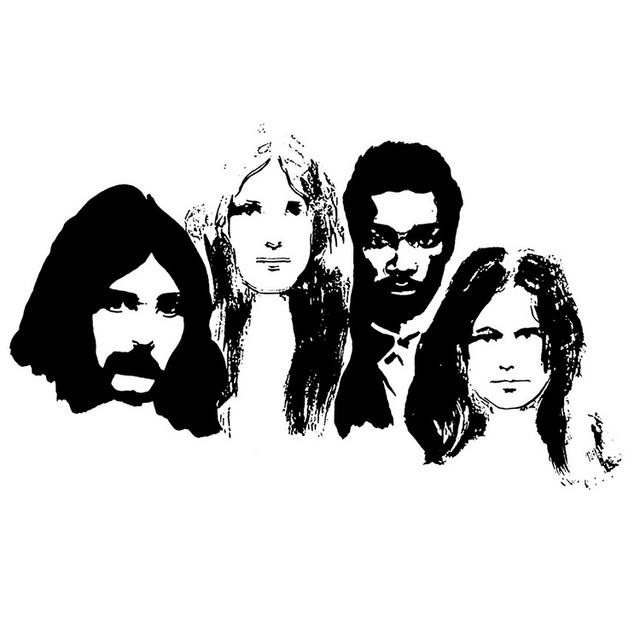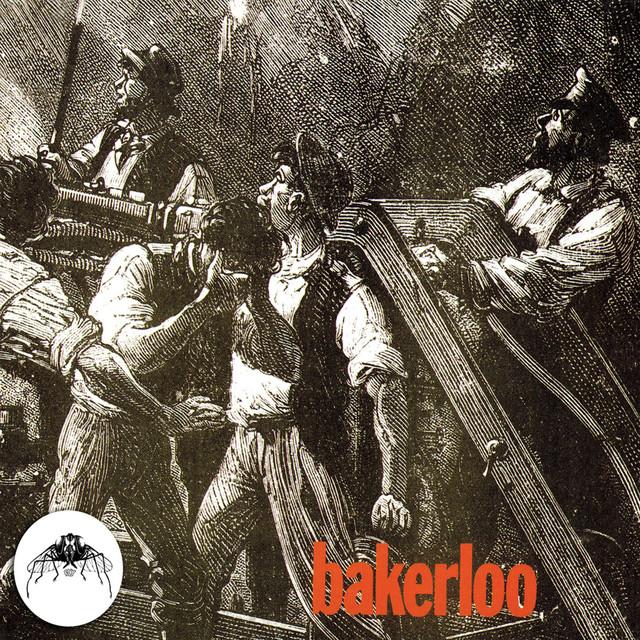
Bakerloo

Electronic
Techno
Blues Rock
 Viberate Rank: 396250
 Viberate Rank: 396250
 Monthly ListenersFollowers
 Subscribers
 Followers
 Followers
 FansTop Spotify SongsTop YouTube VideosMonthly ListenersFeatured in Playlists
| Playlist | Followers | |
|---|---|---|
1 |  70s Proto-Metal, Heavy Psych & Obscure Hard Rock Jordan Edrei | 11.27K |
2 | Psychedelic 60s Acid Rock & Heavy Psychadelia byggavdelningen | 5.51K |
3 | Stoner Rock/Stoner Metal/Heavy Psych/Occult (old vs new) ragazzo-gr | 5.34K |
4 |  Obscure 60s/70s/80s Prog Rock/Psych/Folk/Fusion Masterpieces Christian Feemster | 3.18K |
5 |  Radio 620 la música que llegó para quedarse oscarenfotos | 3.16K |
Audience| City | Monthly Listeners | |
|---|---|---|
1 | | 15 |
2 |  | 12 |
3 |  | 9 |
4 |  | 9 |
5 |  | 9 |
See full performance history, audience data, playlist activity, rankings, comparisons, and more in Viberate music analytics. Start with a free trial, then continue with a paid plan.
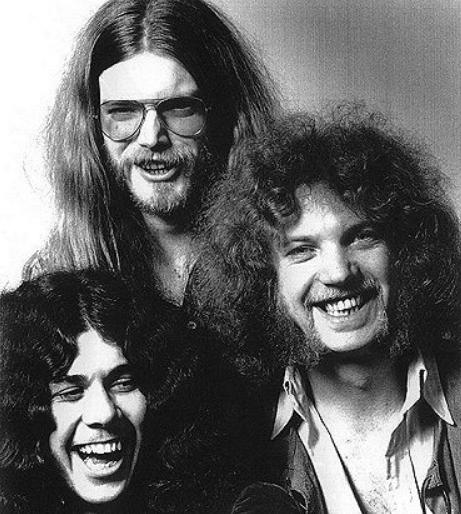
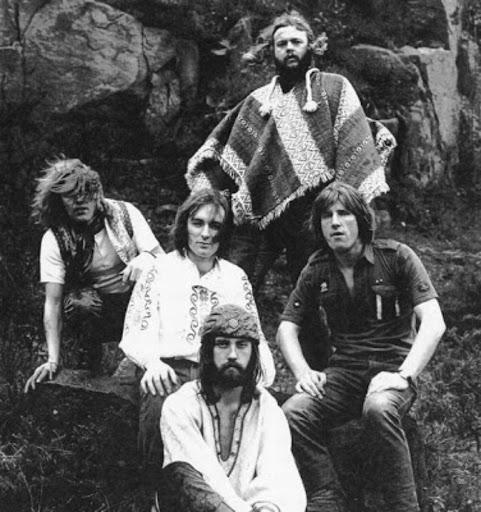
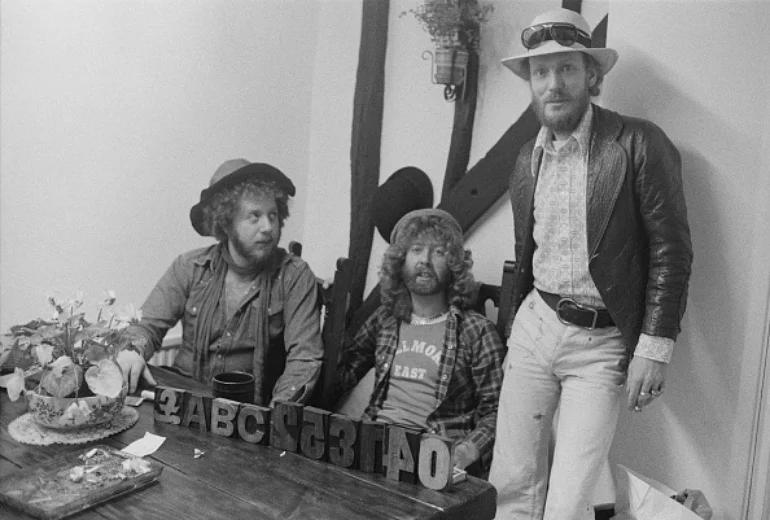
Bakerloo’s Spotify BioBakerloo were originally formed as the Bakerloo Blues Line in 1967, at the outset of the blues boom spearheaded by Cream. A power trio similar to the latter outfit, they also incorporated some of the artier elements of pop music from that period -- Dave "Clem" Clempson played solid, bluesy lead guitar, but he also doubled on harpsichord and piano as well as providing the mouth harp, while Terry Poole played bass and Keith Baker played drums. They made all the right moves as a performing outfit, courtesy of their manager, Jim Simpson (who also handled Black Sabbath, known as Earth at the time) -- he organized a U.K. tour, dubbed "Big Bear Ffolly" (which later became the title of a Bakerloo song) which had Bakerloo, Earth, Locomotive, and Tea and Symphony playing throughout the country. Bakerloo was also one of the support acts on October 18, 1968, the night Led Zeppelin made their debut at London's Marquee Club. Bakerloo were among the early signings to EMI's Harvest label, where they… made their debut in the middle of 1969 with the single "Driving Backwards" b/w"Once Upon a Time" in July. They followed it up that fall with their self-titled album, which gave their jazz-inflected electric blues, reminiscent in some ways of Blodwyn Pig's work, a full workout. Cut under the guidance of producer Gus Dudgeon and released in November of that year, the album was one of the harder rocking releases in the early Harvest schedule. Bakerloo were one of the more sophisticated blues-oriented power trios, and that might've been their undoing in finding an audience. Given time, they might've been another Ten Years After, but there was barely any time to find their potential, for the band broke up in late 1969 when Clem Clempson quit to join Colosseum, which proved to be a stopping point on his way into the lineup of Humble Pie as Peter Frampton's successor, and later worked with Roger Daltrey, Tom Waits, and the Records, among other major acts. Terry Poole passed through Graham Bond's band in the early to mid-'70s, and Keith Baker later became a member of Uriah Heep. Poole and Baker later reteamed, while Clempson has been a very busy session player for decades. ~ Bruce Eder, Rovi
Viberate is a music analytics platform built for A&Rs, artist managers, labels, booking agents, marketers, and artists.
It helps music professionals track artist growth, analyze audience data, monitor playlist activity, compare artists, follow song performance, and identify opportunities across the music market.
Public artist pages provide a free preview of selected artist data. Paid plans provide access to deeper analytics, historical data, charts, comparisons, playlist tools, exports, alerts, reports, and additional professional features.
Yes. Public Viberate artist pages provide selected artist analytics and music data for free.
Viberate also offers a 7-day free trial of the full platform. A credit card is required to start the trial. The trial includes access to the complete product so users can test deeper artist analytics, historical views, playlist insights, comparisons, charts, exports, alerts, and reporting features before choosing a paid plan.
Viberate provides artist analytics across streaming, playlists, social media, video, radio airplay, songs, and audience markets.
Users can analyze Spotify performance, Spotify and Apple Music playlists, YouTube activity, TikTok and Instagram growth, radio spins, song performance, audience locations, demographics, rankings, and overall artist momentum.
Artist profiles also connect to music charts, similar artists, and comparison tools, helping users benchmark performance and evaluate artists in context.
Viberate updates key artist and track data daily.
For followed artists and tracks, selected data is refreshed multiple times per day. This helps teams monitor playlist changes, streaming movement, audience growth, releases, and campaign performance with more current data.
Update frequency can vary depending on the metric and data source.
Yes. Viberate lets users compare up to five artists side by side across streaming, social media, audience, and engagement metrics.
Users can compare fanbase growth, audience demographics, locations, Spotify performance, social metrics, and other artist data over selected time periods.
Artist comparison can be used for A&R scouting, benchmarking, booking decisions, campaign planning, and evaluating artists with similar audiences or market positions.